
Palm Beach
Aruba's liveliest beach: 3.2 km of white sand in front of the high-rise hotels, calm water, piers, beach bars and most of the island's water sports.
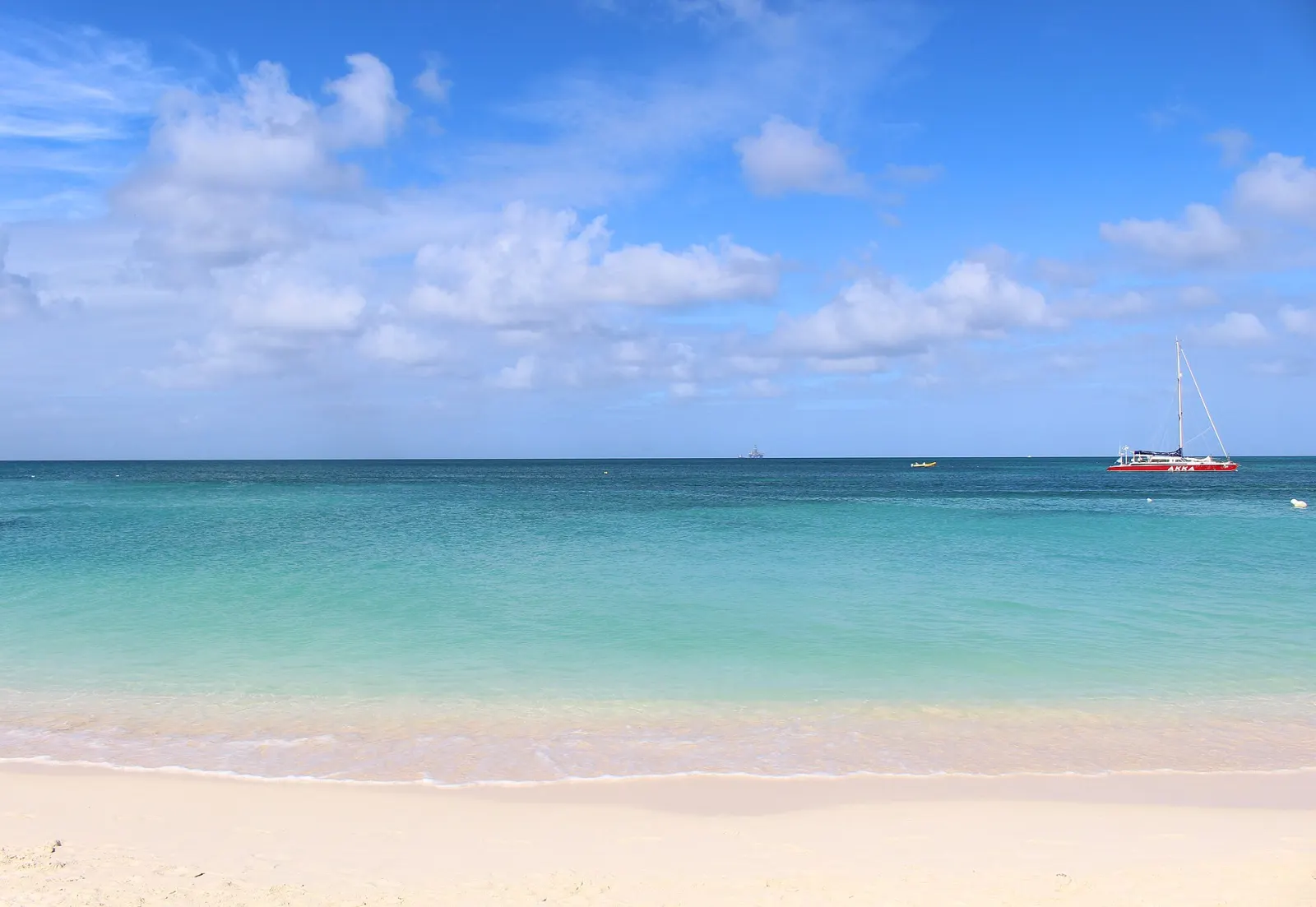
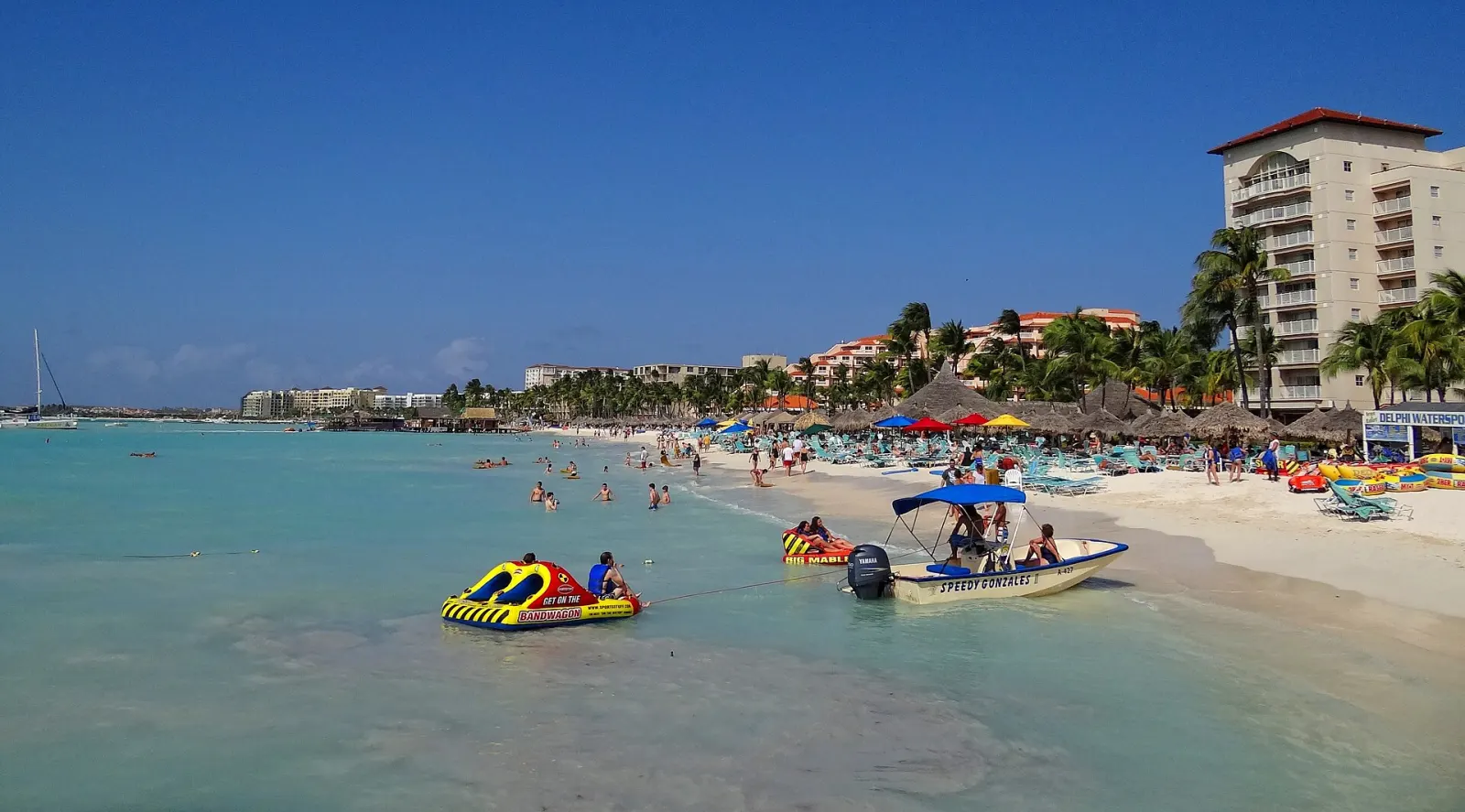
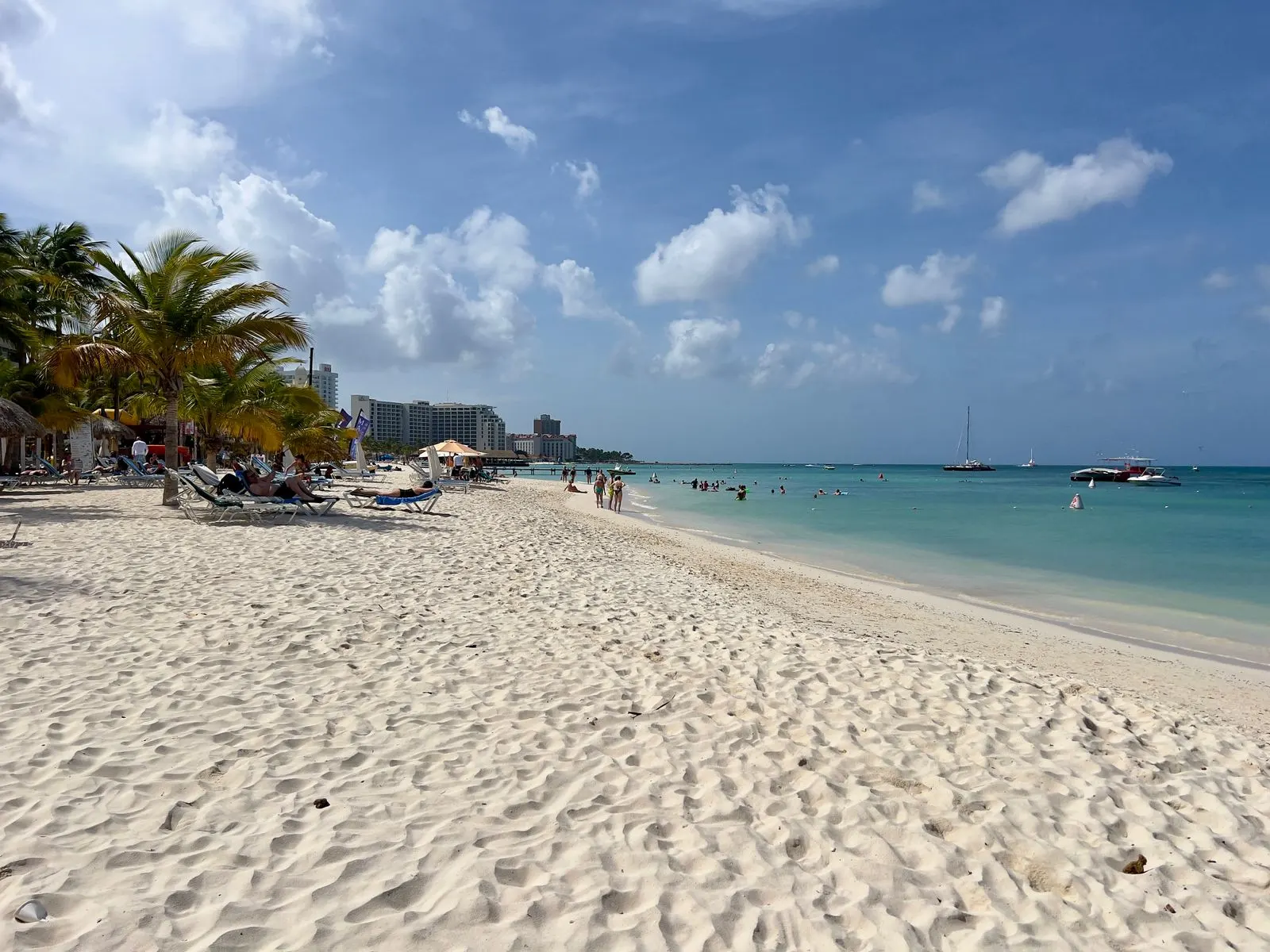
Palm Beach is Aruba's busiest beach: a strip of white sand about two miles (3.2 km) long on the calm west coast, roughly 6 km north-west of Oranjestad, lined with the island's high-rise resorts. The Aruba Tourism Authority describes calm water suited to swimmers and snorkellers, plus piers, beach bars, restaurants and water-sports concessions. Choose it for convenience and activity rather than solitude.
Is Palm Beach good for swimming?
Yes, on most days. Like the rest of the west coast it lies in the lee of the trade wind, so the sea is usually calm and shallow near the shore. The main thing to watch here is traffic, not waves: boats, jet skis and tow toys operate from the piers and concessions. Swim close to shore, stay well away from the piers and the lanes used by boats, and give children a bright swim cap or float so they are easy to see.
What is there to do?
Palm Beach is where most of Aruba's beach activity is concentrated. Water-sports stands along the sand rent equipment and run trips, and sailing and snorkel cruises leave from the piers, many heading north to the reefs and wrecks off Malmok. Further north, beyond the hotels, Hadicurari is the island's windsurfing and kitesurfing hub. After dark, the area just behind the beach has restaurants, casinos and two large shopping malls.
How did Palm Beach get its name?
The name comes from a coconut plantation once run here by R.J. Beaujon, who named it after Palm Beach in Florida; the shoreline was officially registered as Palm Beach in 1960. Hotel development began after the government land lease was rescinded in 1958, and the first hotel opened in the 1950s as a row of bungalows on the sand. Today the high-rises stand almost shoulder to shoulder.
Is there shade, and is the beach public?
All beaches in Aruba are public, so you can walk and swim the entire length of Palm Beach. Most loungers and palapas, however, belong to the resorts or are rented out by concessions, so there is less free shade here than at Eagle Beach. If you are not staying on the strip, bring your own shade or plan to rent.
When is the best time to go?
Early morning, when the sand is quiet and the water is at its clearest, and sunset, when the sun drops into the sea opposite the hotels. Sea turtles occasionally nest on Palm Beach too, so the same night-time rules apply as on Eagle Beach: lights off and no furniture left on the sand.
For the wider area, see Palm Beach & Noord.
What to do here
Getting there
Palm Beach lies along J.E. Irausquin Boulevard about 6 km north-west of Oranjestad, past Eagle Beach; most visitors walk there from the hotels. Arubus L10 lines link the Oranjestad bus station with the hotel area (L10B runs to the Marriott at the northern end); check stops and times on arubus.com.
Local tips
- Watch for boats. Swim near the shore and away from the piers, where boats and jet skis come and go.
- Bring your own shade. Most loungers and palapas belong to resorts or are rented; free shade is scarce.
- Go north for quieter water. Arashi Beach and Boca Catalina, a few minutes north, are calmer spots for snorkelling.
Things to do here
Kayak & paddleboard
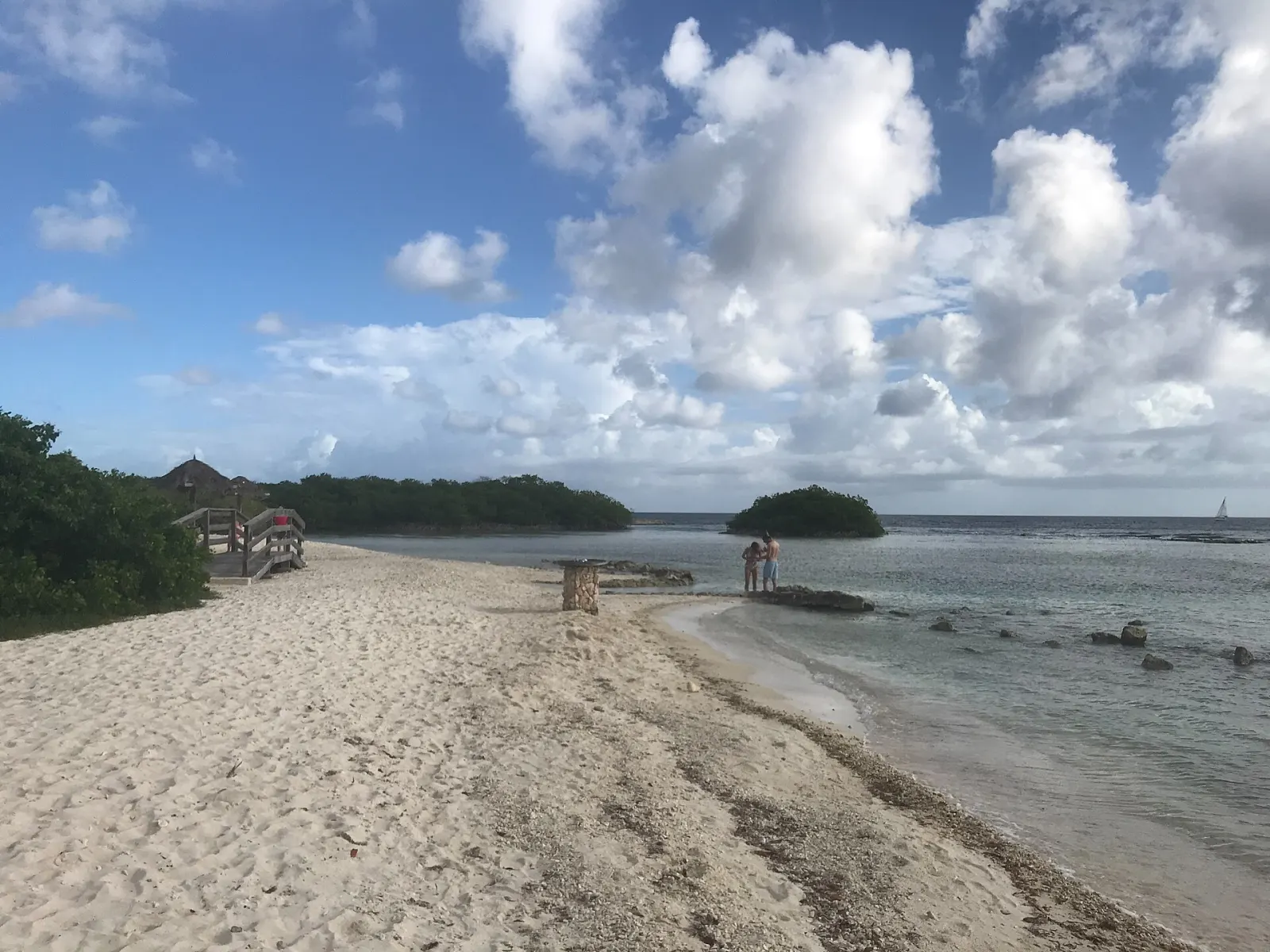
Paddling Aruba's calm south and west coasts: the mangroves and reef of Mangel Halto, the protected Spaans Lagoen wetland, and the flat water off Palm Beach and Malmok.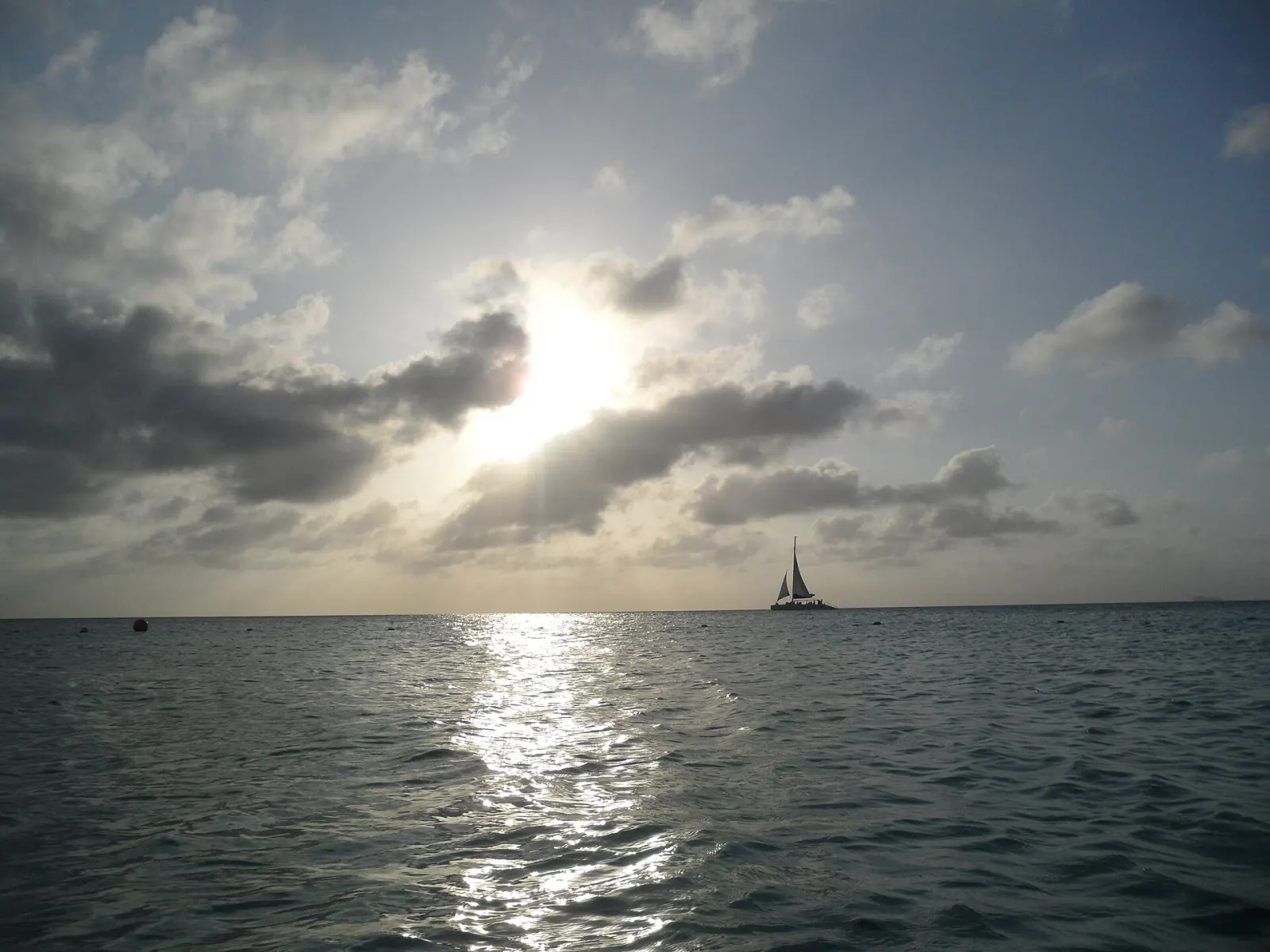
Sailing & sunset cruises
Catamaran and schooner trips from Palm Beach along Aruba's sheltered west coast: snorkel sails over the Antilla wreck and evening cruises timed for the sunset.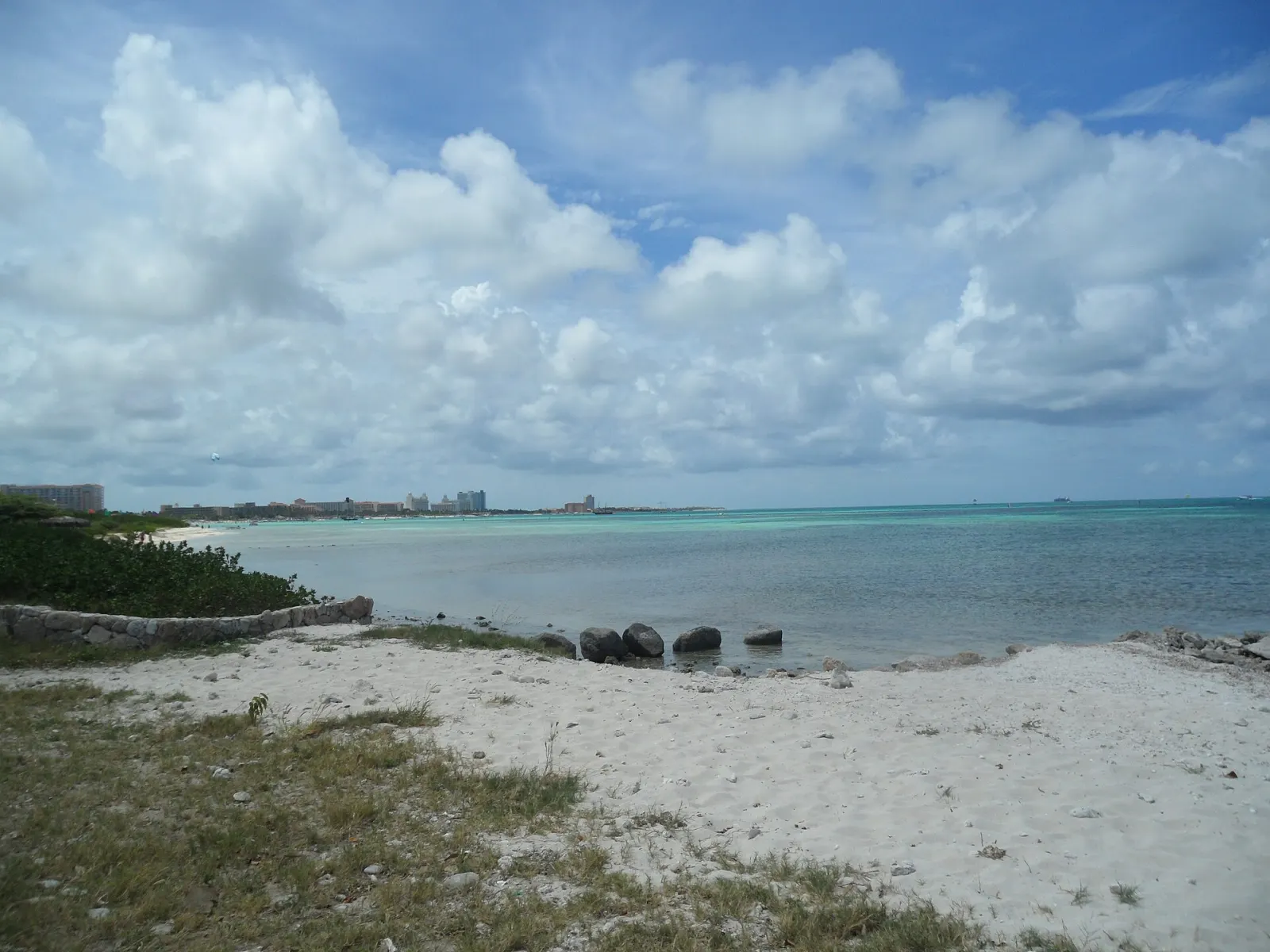
Windsurfing
Windsurfing at Hadicurari (Fisherman's Huts), home of the Aruba Hi-Winds since the 1980s: shallow flat water, a steady easterly trade wind and schools on the beach.Nearby
The Old Cunucu House
Home-style Aruban cooking — keshi yena, stobas, pan bati and funchi — in a cunucu house over 150 years old near Palm Beach.
The Butterfly Farm
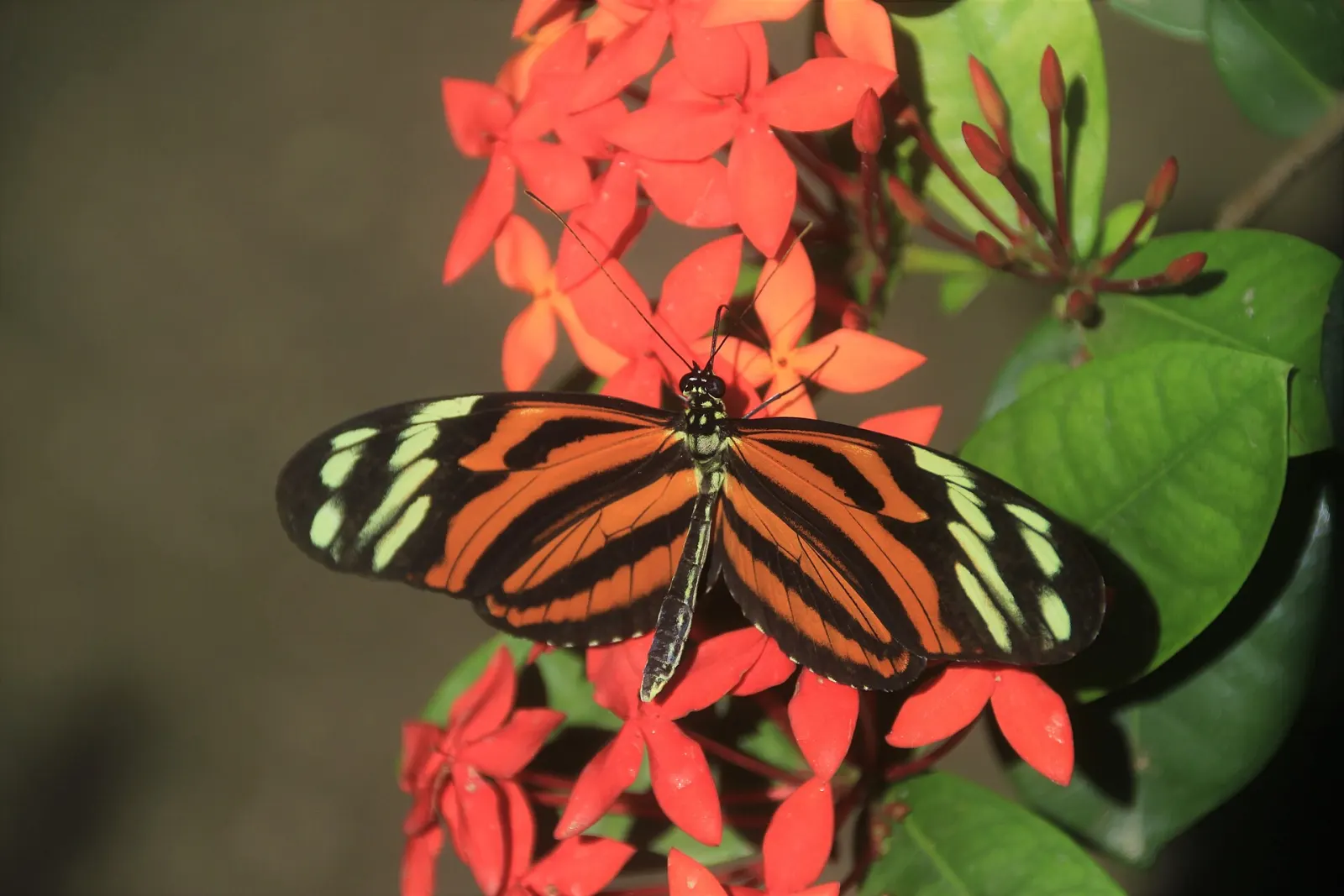
A walk-through tropical garden full of butterflies on the Palm Beach strip, with guided talks on metamorphosis; tickets allow return visits during your stay.
Gasparito Restaurant & Art Gallery
Traditional Aruban dishes such as goat stew, pan bati and funchi, served among local art on an 1807 estate in Noord; open since 1989.
More beaches like this
 Swim with care
Hadicurari Beach (Fisherman's Huts)
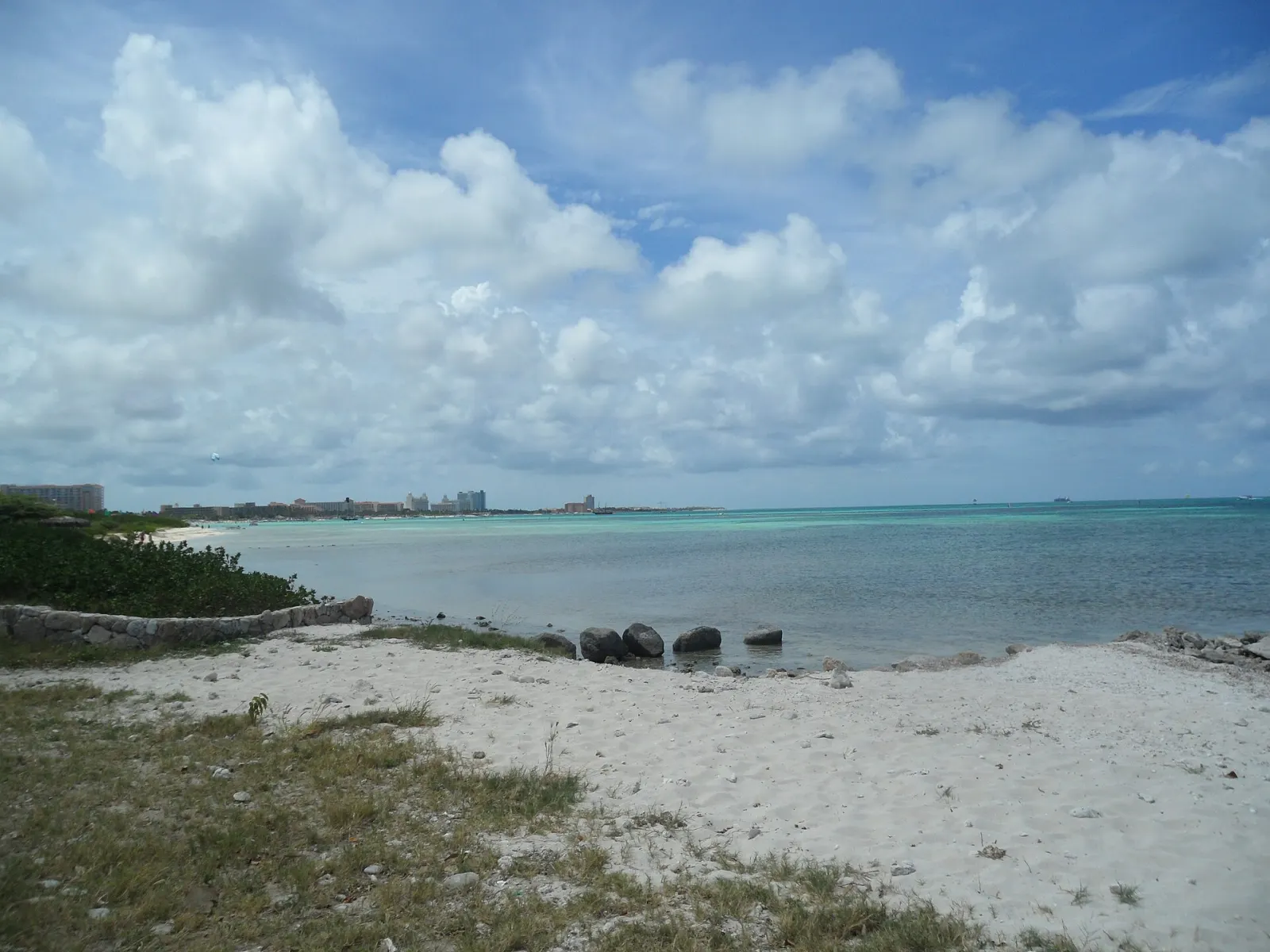
Aruba's windsurf and kitesurf hub just north of Palm Beach: shallow, calm water for learners, schools on the beach and the Hi-Winds each June or July.
 Swim with care
Malmok Beach
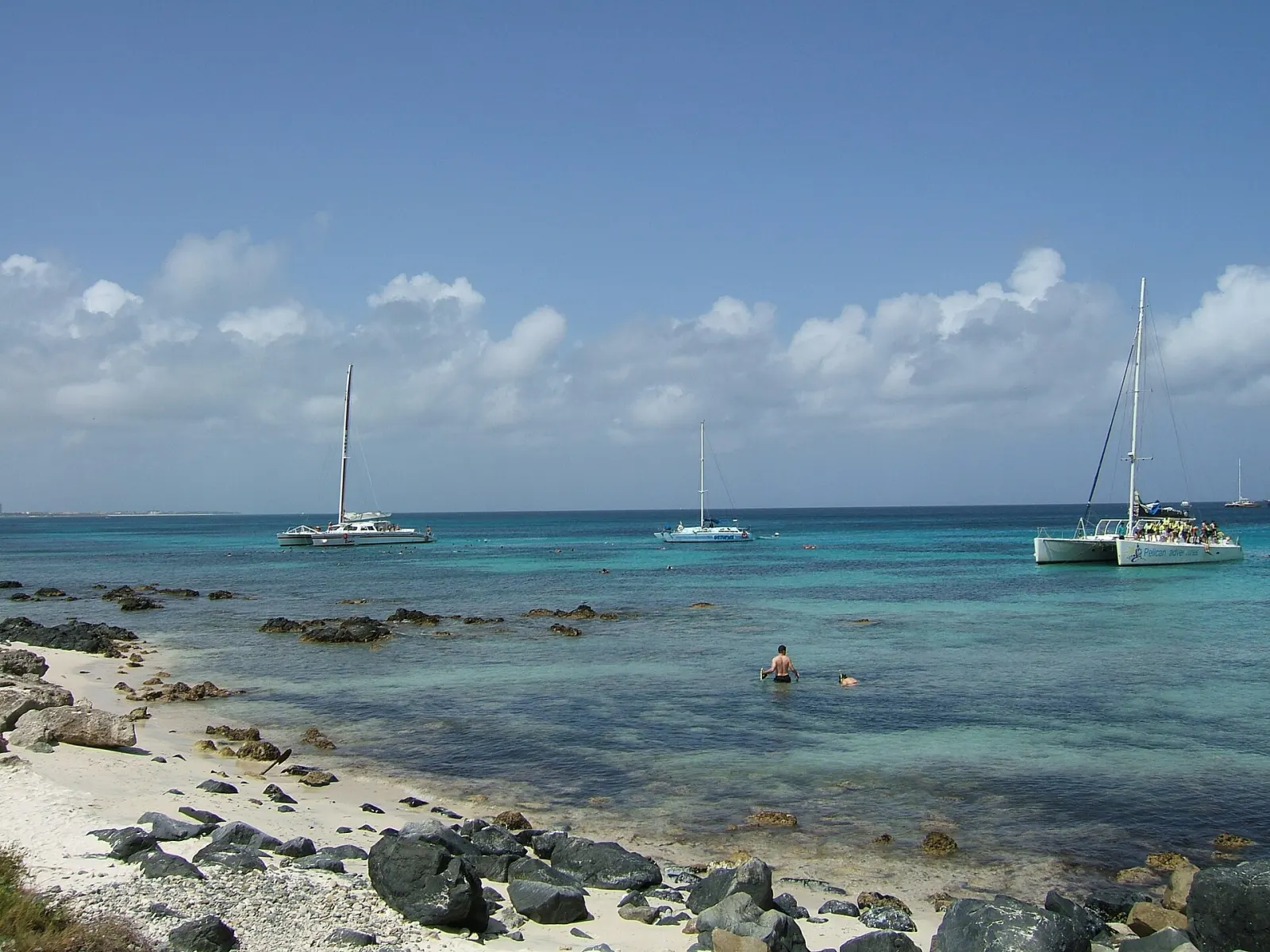
Rocky coves with very clear, calm water on the north-west coast, popular with snorkel boats; offshore lies the Antilla, a German wreck scuttled in 1940.
 Calm water
Eagle Beach
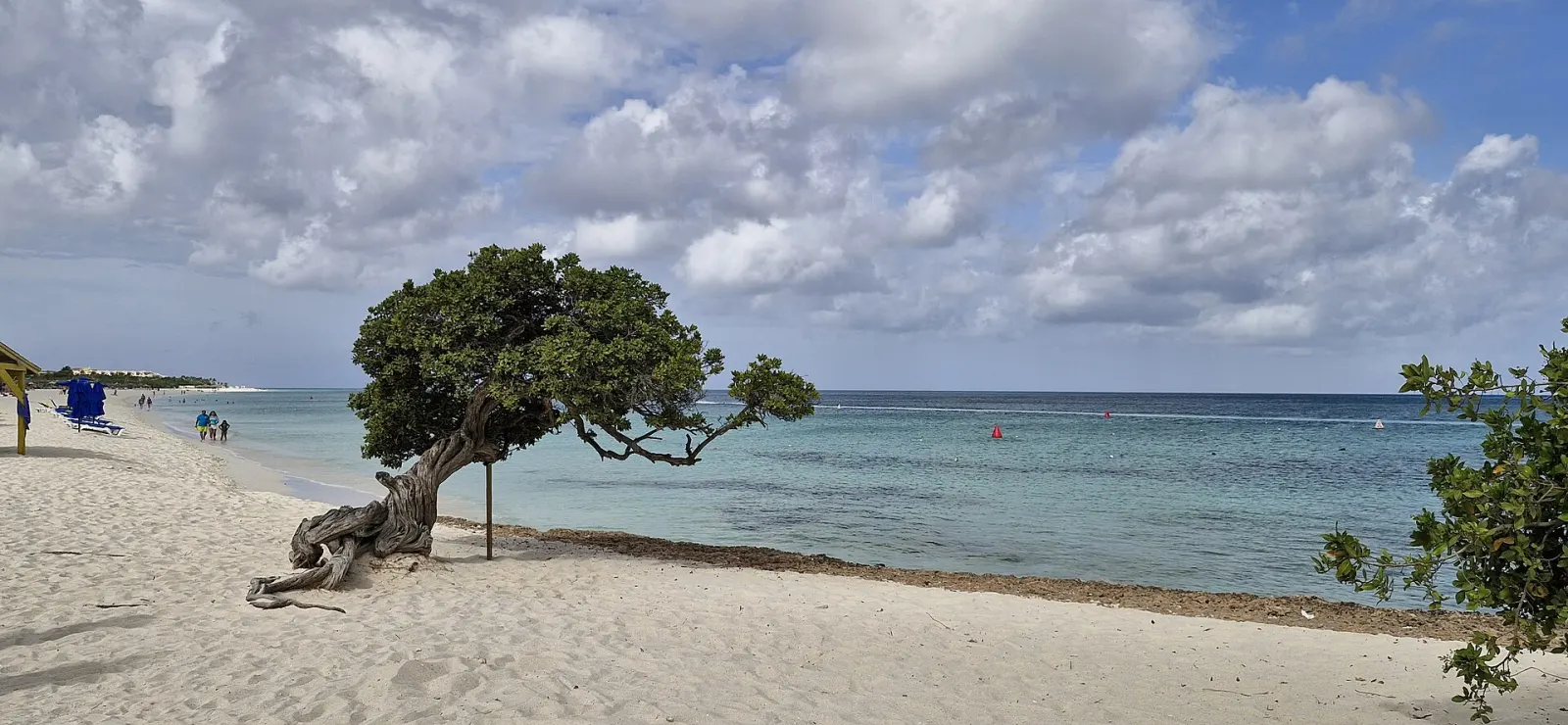
Aruba's widest beach: soft white sand, calm west-coast water, public palapas, the famous fofoti trees and most of the island's turtle nests.