
Windsurfing
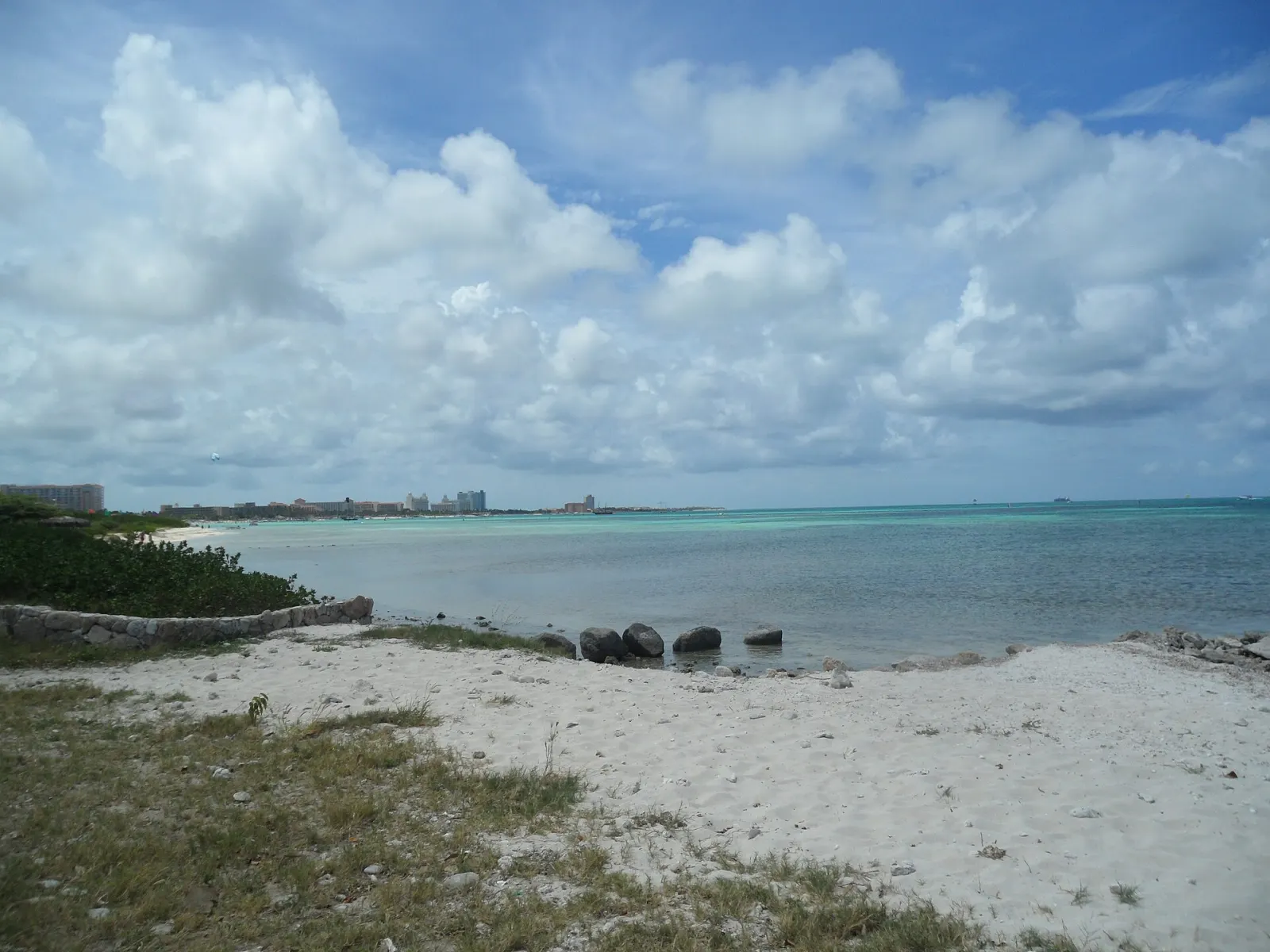
Windsurfing at Hadicurari (Fisherman's Huts), home of the Aruba Hi-Winds since the 1980s: shallow flat water, a steady easterly trade wind and schools on the beach.
Windsurfing in Aruba centres on Hadicurari Beach, better known as Fisherman's Huts, on the coast road just past the high-rise hotels of Palm Beach. The Aruba Tourism Authority describes it as the most popular place on the island to learn and practise wind- and kitesurfing: the water is shallow and calm, several schools rent equipment on the beach, and the easterly trade wind blows side-offshore across it almost every day.
Why is Aruba good for windsurfing?
Consistency. The Departamento Meteorologico Aruba's 1991–2020 normals show the wind coming from 80–90° (east) in every month, with an annual mean of 7.4 m/s — about 14 knots. Mean speeds are highest from March to August (7.9–8.8 m/s, roughly 15–17 knots) and peak in June; October to December are lighter (5.6–6.6 m/s, 11–13 knots), better for first lessons but sometimes too light for planing. Because the island shelters the west coast, the shallow water at Hadicurari stays flat even when the wind is strong — the combination that made the spot famous.
What is the Aruba Hi-Winds?
The island's best-known water-sports event began in 1987 as the first Aruba Hi-Winds Pro-Am, held on Eagle Beach before moving to Fisherman's Huts, which remains its main site. It takes place every year in late June or early July and lasts five days, with slalom and freestyle racing plus kids' and juniors' categories; kitesurfing was added in 2002, and stand-up paddle, kite foiling and other disciplines followed. See the Aruba Hi-Winds event page for what to expect as a spectator.
Can complete beginners learn here?
Yes. Shallow water means you can stand up and restart without swimming, and schools on the beach offer lessons and rentals. Expect your first session to focus on balance, uphauling the sail and turning. Because the wind blows side-offshore, schools keep beginners close in; do not drift out beyond the shallow area on your own.
Are there other spots?
Hadicurari is the island's main windsurf spot. The east coast is wavier and its currents are strong — Boca Grandi near San Nicolas is mainly a kite and surf beach — so it is for experts only. Inside Aruba's four marine protected areas some wind sports are restricted (kitesurfing is strictly prohibited), so ask locally before launching anywhere unusual.
What do people commonly misjudge?
Sun and wind together dehydrate you fast; drink between runs. Fins and feet meet reef and rocks at the edge of the shallows, so wear booties. If you are a confident windsurfer, the afternoon is not necessarily windier than the morning — check the day's forecast on meteo.aw rather than assuming. Combine a session with kitesurfing lessons on the same beach or a quiet snorkel at Malmok nearby.
Where to go
Know before you go
- Pick your month. Beginners may prefer lighter October–December winds; planing sailors get the best odds from March to August.
- Wear booties. The shallows at Hadicurari are edged by reef and rocks; feet and fins take the knocks.
- Watch the Hi-Winds. If you travel in late June or early July, the five-day event at Fisherman's Huts is free entertainment — but rentals and parking get busy.
FAQ
Where is the best windsurfing in Aruba?
At Hadicurari Beach (Fisherman's Huts), just north of Palm Beach: shallow flat water, schools and rentals on the beach, and the venue of the Aruba Hi-Winds.
When is the Aruba Hi-Winds?
Every year in late June or early July, over five days at Fisherman's Huts. Check the official event information for the exact dates.
Is the wind strong enough all year?
It blows from the east every month, but mean speeds fall to 5.6–6.6 m/s (11–13 knots) from October to December, compared with 7.9–8.8 m/s from March to August.
More things to do
Kitesurfing
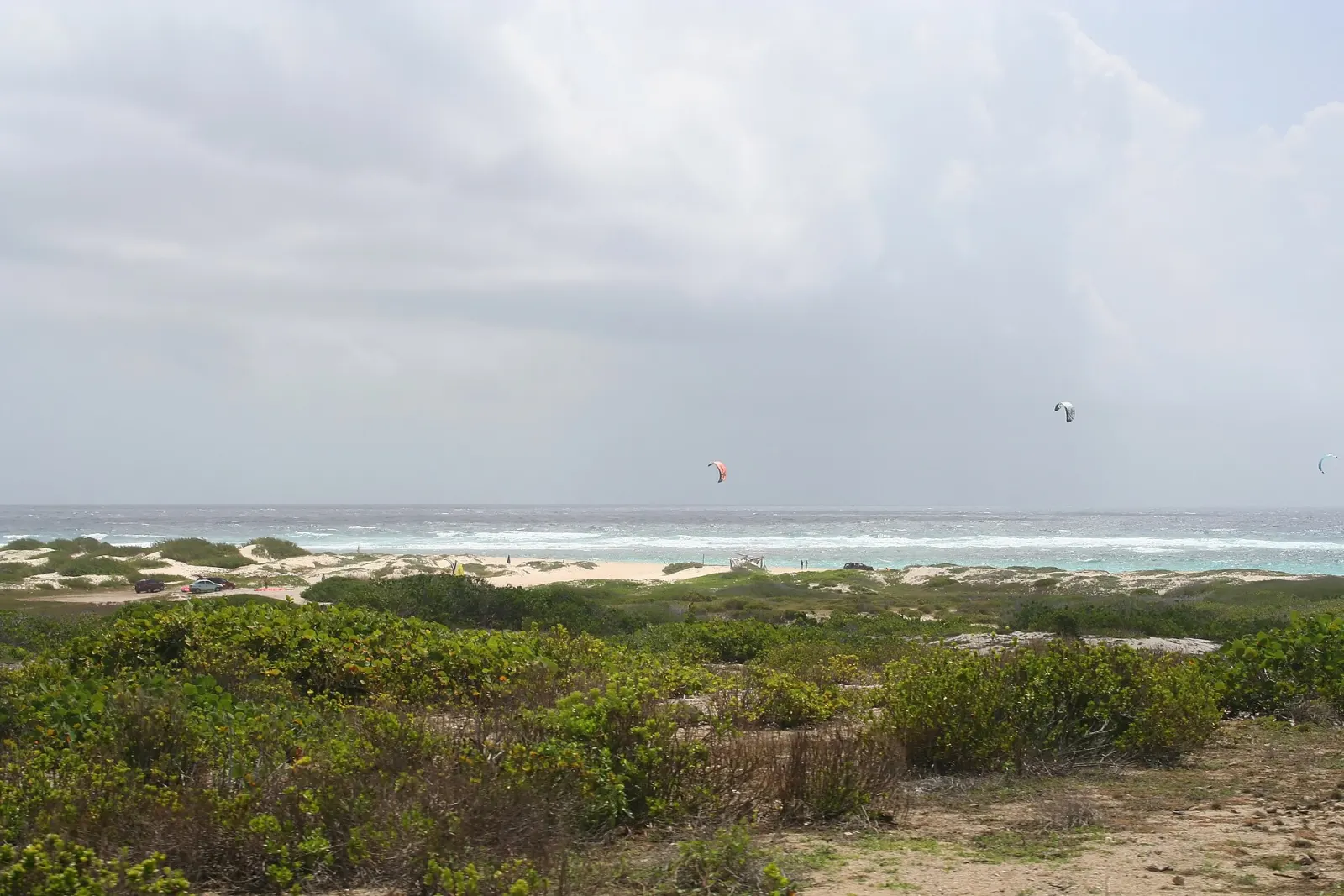
Kitesurfing on Aruba's steady easterly trade wind: learn in the shallows at Hadicurari (Fisherman's Huts), then move on to the waves of Boca Grandi in the south-east.
2–3 h per session
Hiking in Arikok
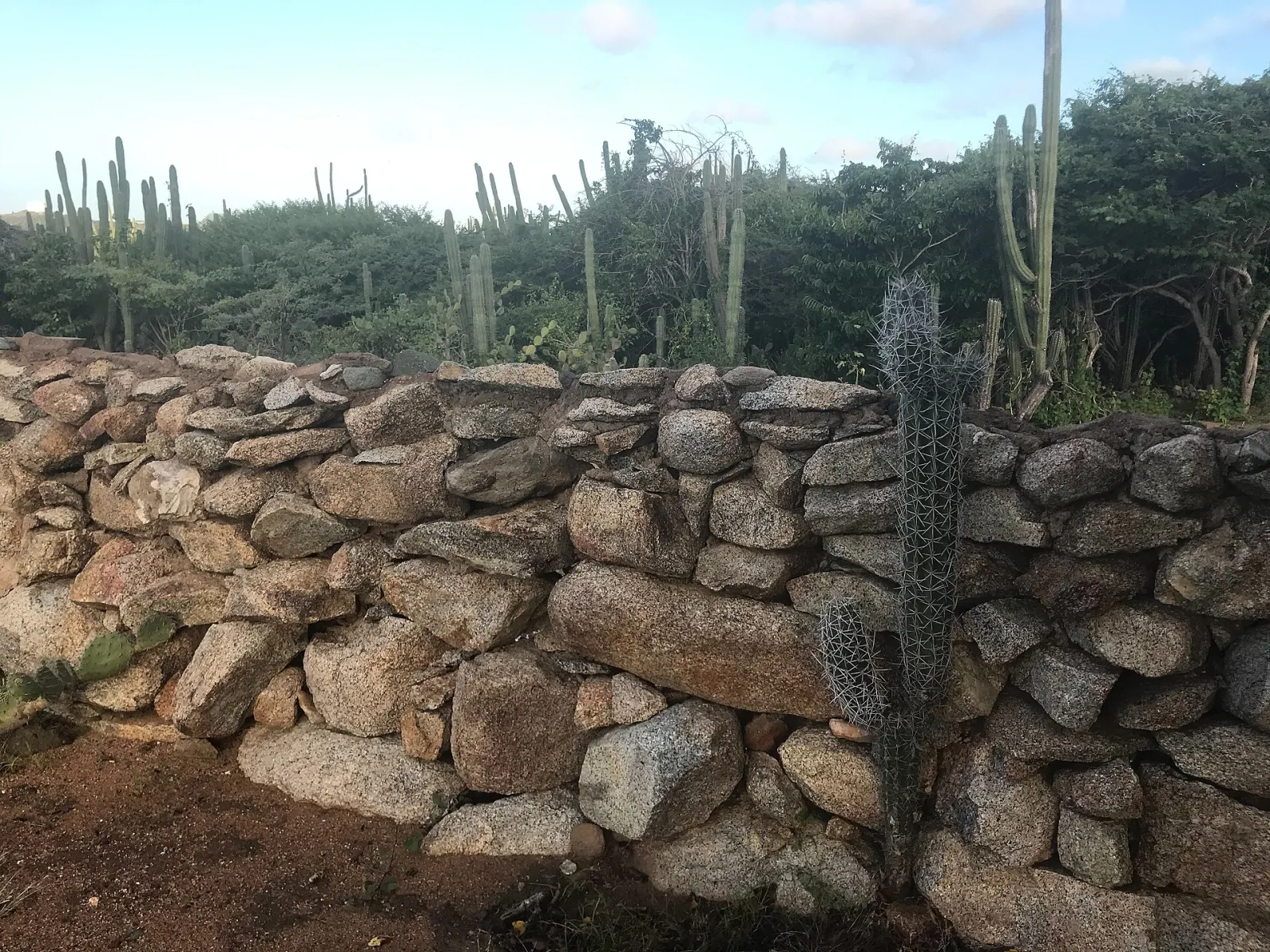
Trails through Arikok National Park, from the easy Cunucu Arikok loop to Jamanota, Aruba's 188 m high point, with ranger-led hikes, the park pass and heat advice.
1.5–3.5 h
Horseback riding
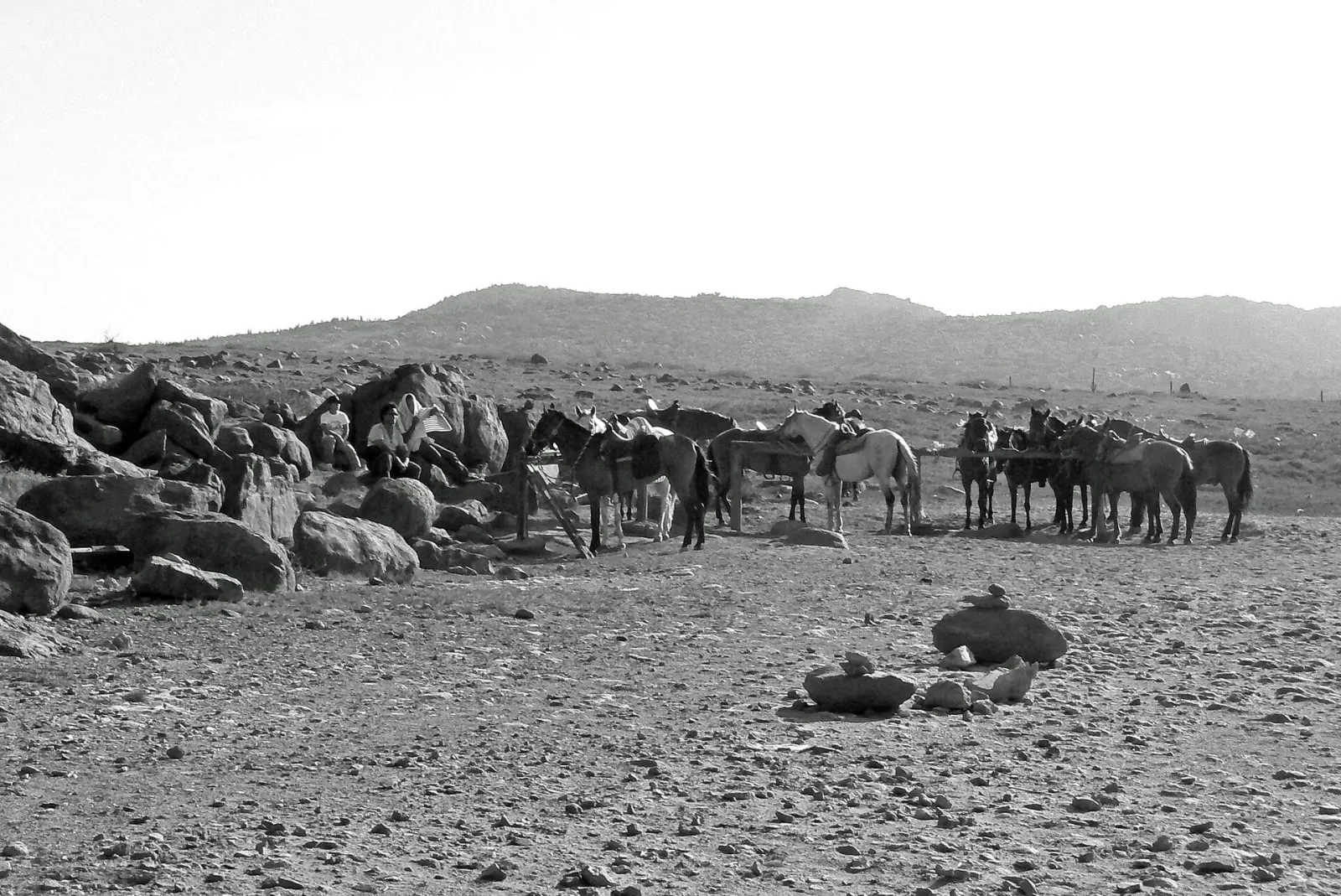
Guided rides through Aruba's cactus country and along the rugged north coast, including routes to the Natural Pool in Arikok, mostly on gaited Paso Fino horses.
1–3 h