
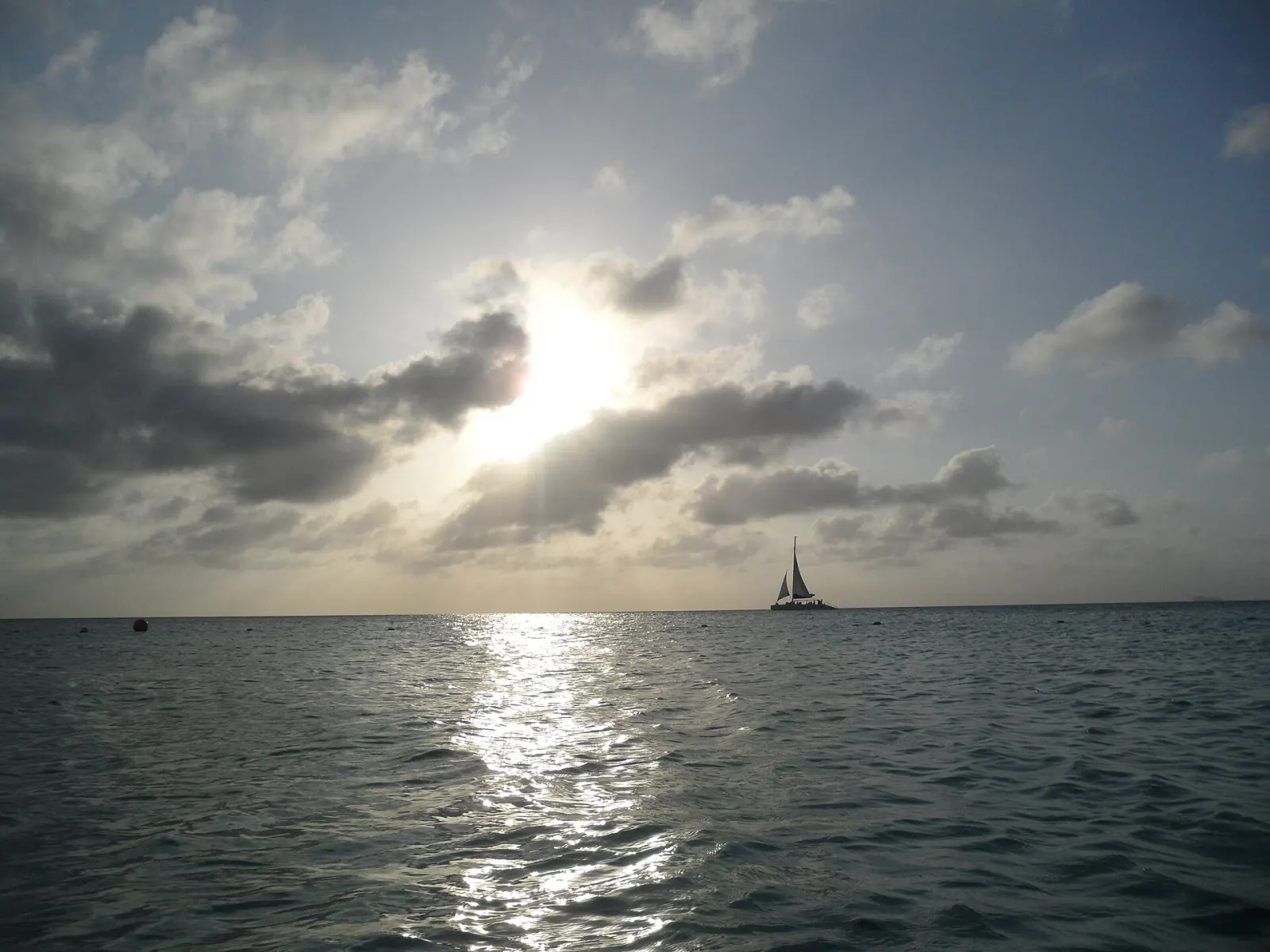
Sailing & sunset cruises
Catamaran and schooner trips from Palm Beach along Aruba's sheltered west coast: snorkel sails over the Antilla wreck and evening cruises timed for the sunset.
Most sailing trips in Aruba leave from Palm Beach, where the Aruba Tourism Authority counts more than a dozen catamaran and sailboat operators. The two classic formats are a daytime snorkel sail north along the coast, often stopping over the SS Antilla wreck off Malmok, and an early-evening cruise timed so the sun sets over the open sea to the west.
What kinds of trips are there?
- Snorkel sails – usually morning or midday, with one or more swimming stops along the north-west coast. The Antilla, a German freighter scuttled in May 1940, is a stop on many snorkel tours; see snorkelling for what you can see from the surface.
- Sunset sails – shorter trips in the late afternoon. Because the hotel coast faces west, the sun drops into the sea rather than behind land.
- Dinner and party cruises – the tourism authority notes that most excursions include an open bar, and lunch, snacks or dinner depending on time and length.
- Sail yourself – small catamarans (Hobie Cats) can be rented, and sailing lessons are offered on the beach.
Why is the west coast good for sailing?
Aruba's trade wind blows from the east all year: the Departamento Meteorologico Aruba's 1991–2020 normals give a mean direction of 80–90° in every month and an annual mean speed of 7.4 m/s (about 14 knots). That is steady enough to sail, while the island itself shelters the water on the west side, so the sea between Eagle Beach, Palm Beach and Malmok is usually much flatter than on the north and east coasts. June is the windiest month (8.8 m/s); November is the calmest (5.6 m/s).
How do you choose a trip?
Compare what is actually included (snorkel gear, drinks, food, transfers), the boat size and number of passengers, and whether the snorkel stop suits non-swimmers — ask if flotation vests are provided. Morning trips tend to suit snorkellers; sunset trips suit people who want views and a drink. If you are prone to seasickness, a large catamaran is generally steadier than a small boat.
What rules apply on the water?
Sunscreens containing oxybenzone may not be imported or sold in Aruba since July 2020. In Aruba's four marine protected areas, managed by the Aruba Conservation Foundation, feeding wildlife is strictly prohibited. The island has its own annual sailing event, the three-day Aruba International Regatta.
What do people commonly misjudge?
The breeze makes the sun feel weaker than it is; reapply sunscreen and wear a hat that will not blow away. Open bars and swimming do not mix — snorkel first, drink after. For the 3-day beach weekend, a sunset sail is an easy first-evening plan because most trips leave from Palm Beach itself, close to the hotel strip.
Where to go
Know before you go
- Read what's included. Drinks, food, snorkel gear and hotel pick-up vary from boat to boat; compare before you book.
- Snorkel before the bar. Many trips include an open bar; alcohol and open-water swimming are a poor mix.
- Secure your hat. The trade wind averages about 14 knots; a cap with a strap or a sun shirt works better than a wide hat.
FAQ
Where do sunset cruises leave from in Aruba?
Mostly from Palm Beach, where the Aruba Tourism Authority lists more than a dozen catamaran and sailboat operators.
Will I get seasick?
The west coast is sheltered from the easterly trade wind, so the water is usually calmer than elsewhere; larger catamarans are steadier. If you are sensitive, take precautions before boarding.
Can non-swimmers join a snorkel sail?
Often yes, as a passenger; ask in advance whether flotation vests are provided and whether the stop is in open water.
More things to do
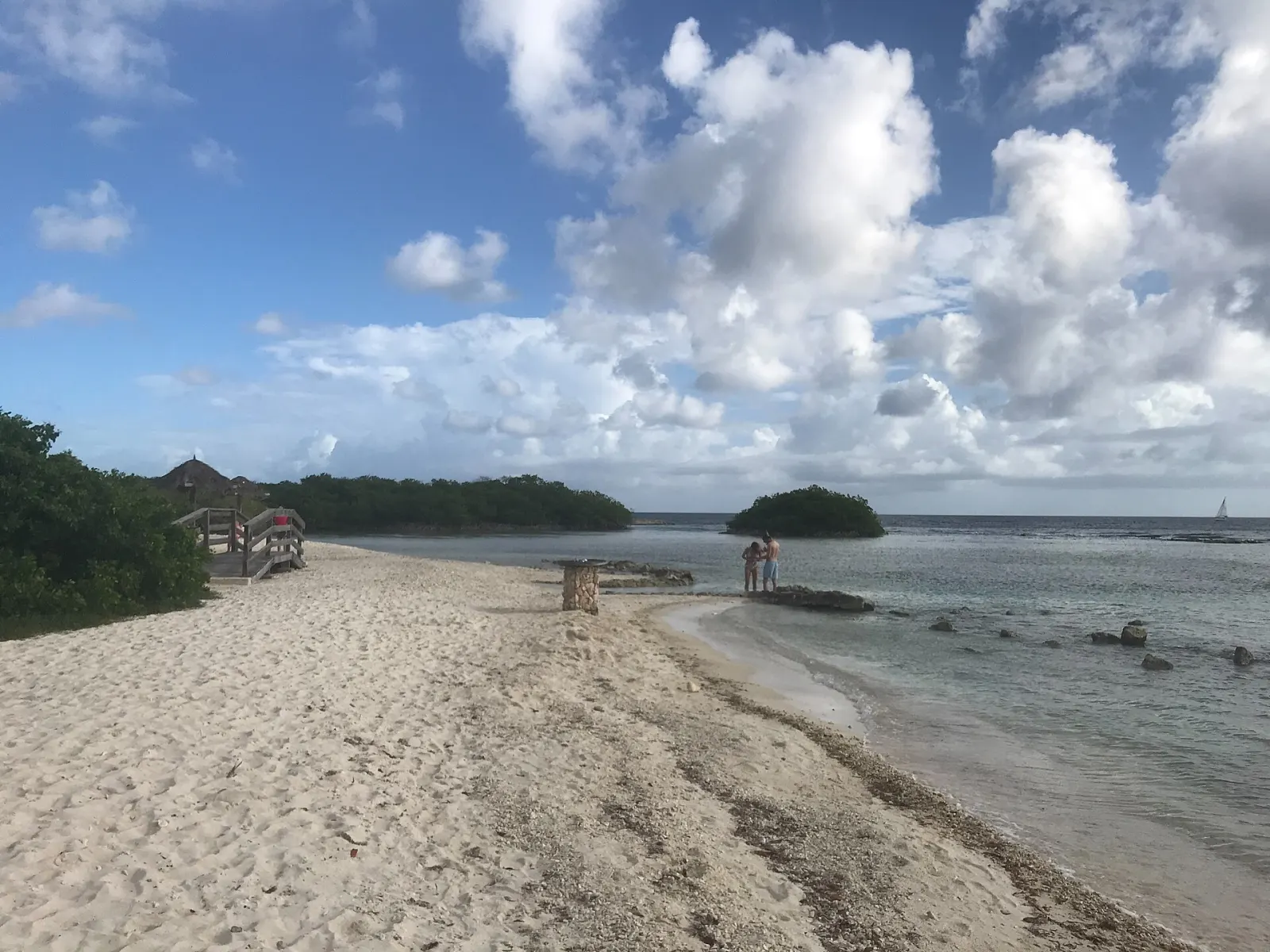
Kayak & paddleboard
Paddling Aruba's calm south and west coasts: the mangroves and reef of Mangel Halto, the protected Spaans Lagoen wetland, and the flat water off Palm Beach and Malmok.
1–3 h
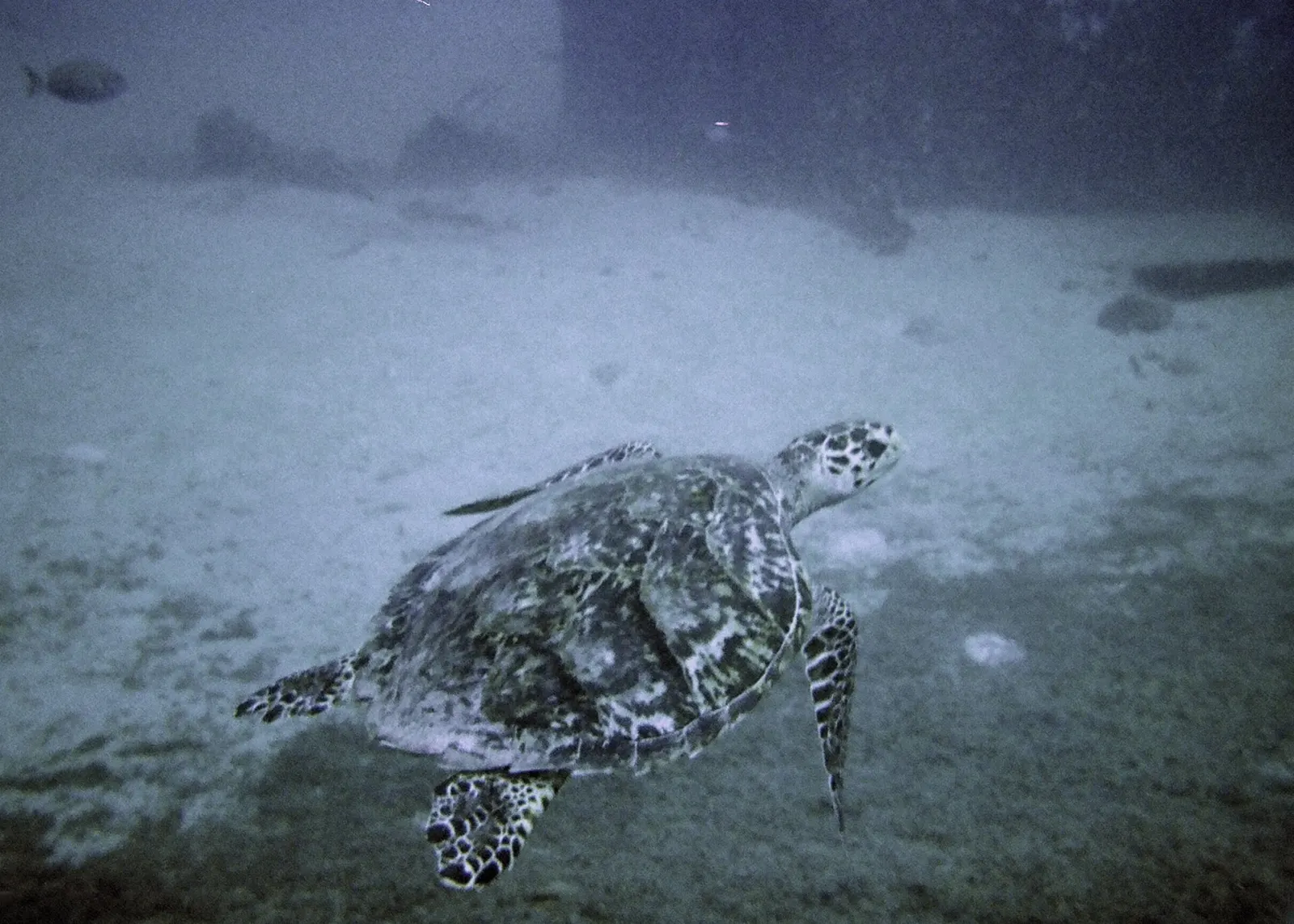
Scuba diving
Wreck and reef diving on Aruba's sheltered west and south coasts: the 1940 Antilla, the shallow Pedernales, the Jane Sea and shore dives at Mangel Halto.
2–4 h (two-tank trip)
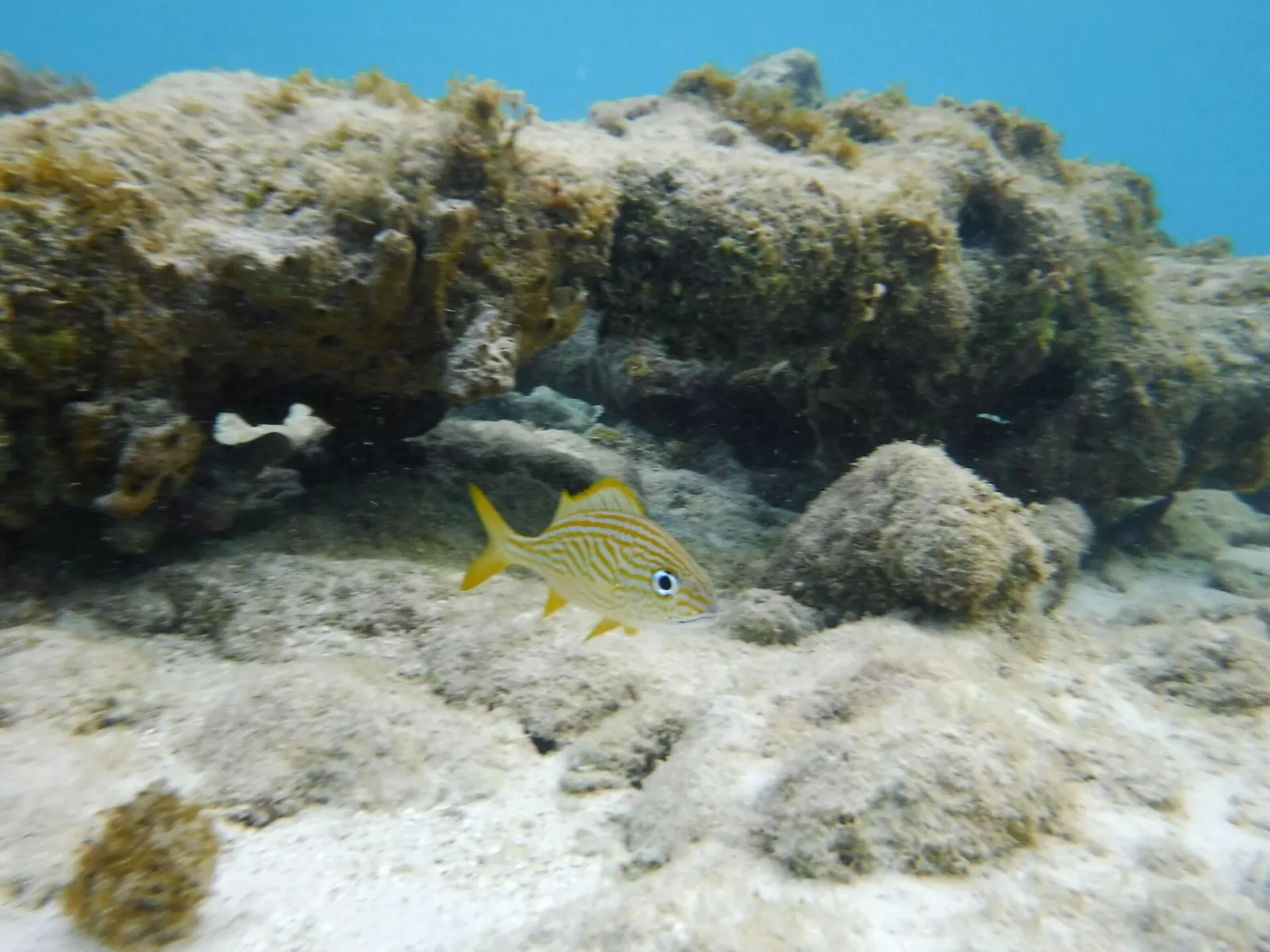
Snorkelling
Shore snorkelling on Aruba's calm west and south coasts, from Boca Catalina and Malmok to Mangel Halto and Baby Beach, plus boat trips to the Antilla wreck.
1–3 h