Plan your trip to Aruba
Entry rules, the ED card and Sustainability Fee, weather, money, getting around and staying safe — the practical answers in one place, checked against official sources.
Getting there
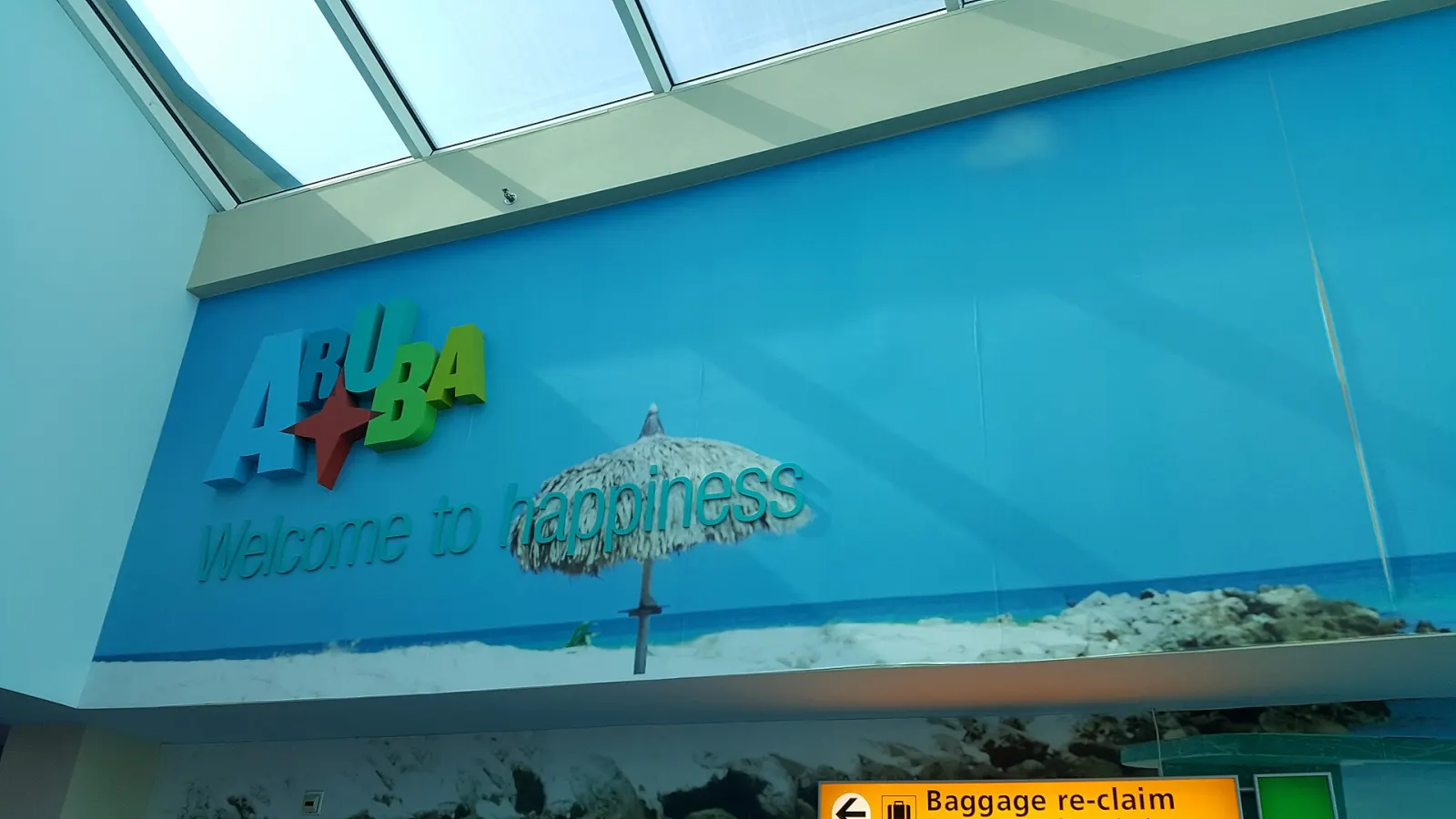
Most visitors fly into Queen Beatrix International Airport (AUA), on the edge of Oranjestad; cruise ships dock in downtown Oranjestad.
- Airport: Queen Beatrix International (AUA) is 15–20 minutes by car from Eagle Beach and about 20 minutes from Palm Beach.
- From the airport: taxis have fixed fares — US$ 26 to Oranjestad, US$ 37 to the Eagle Beach low-rise area and US$ 40–41 to Palm Beach, before surcharges. Arubus buses do not take luggage. More in getting around Aruba.
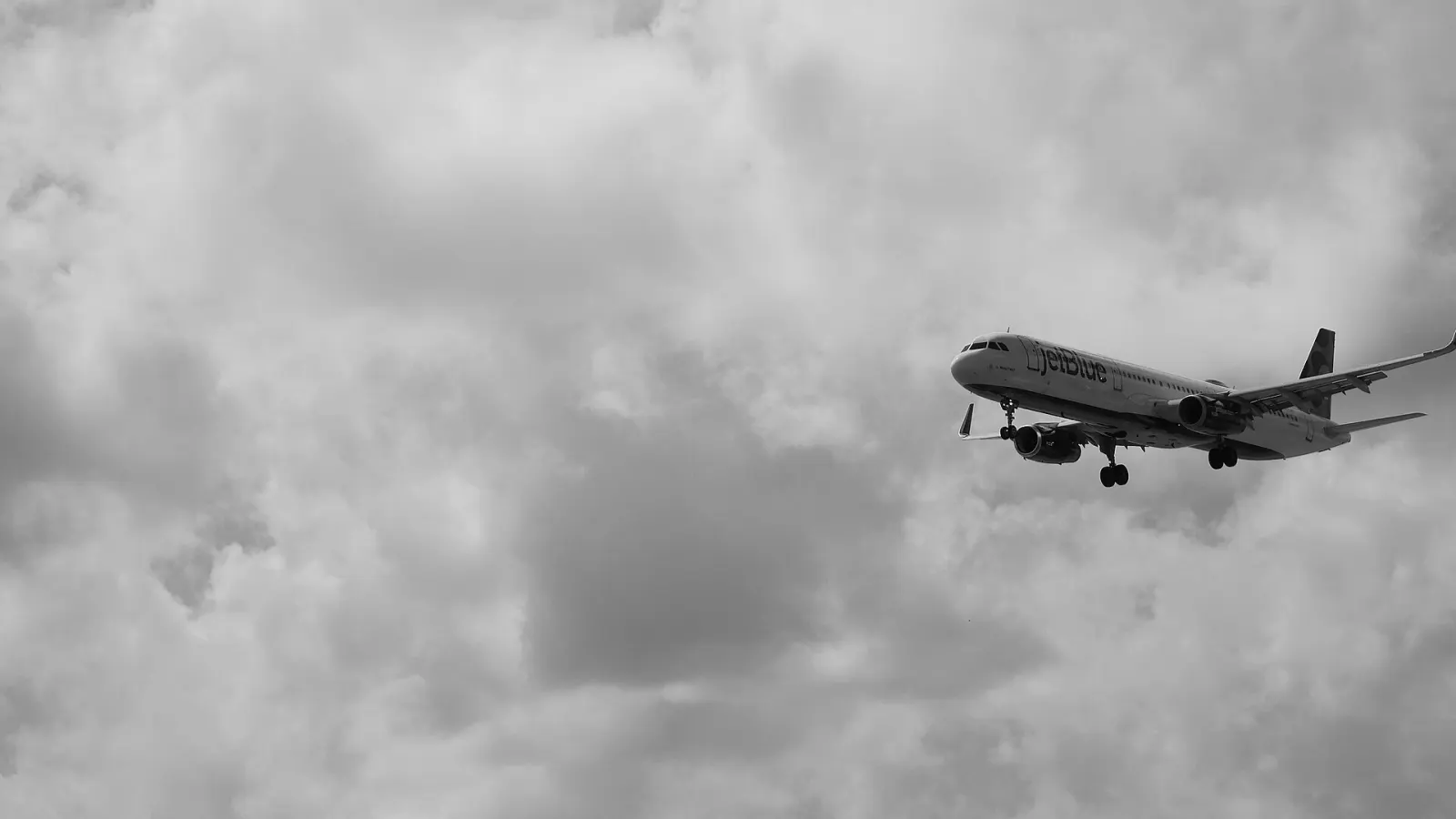
- Flying home to the US: you clear US immigration and customs in Aruba before boarding (US preclearance). Airlines such as JetBlue recommend arriving 3 hours before departure.
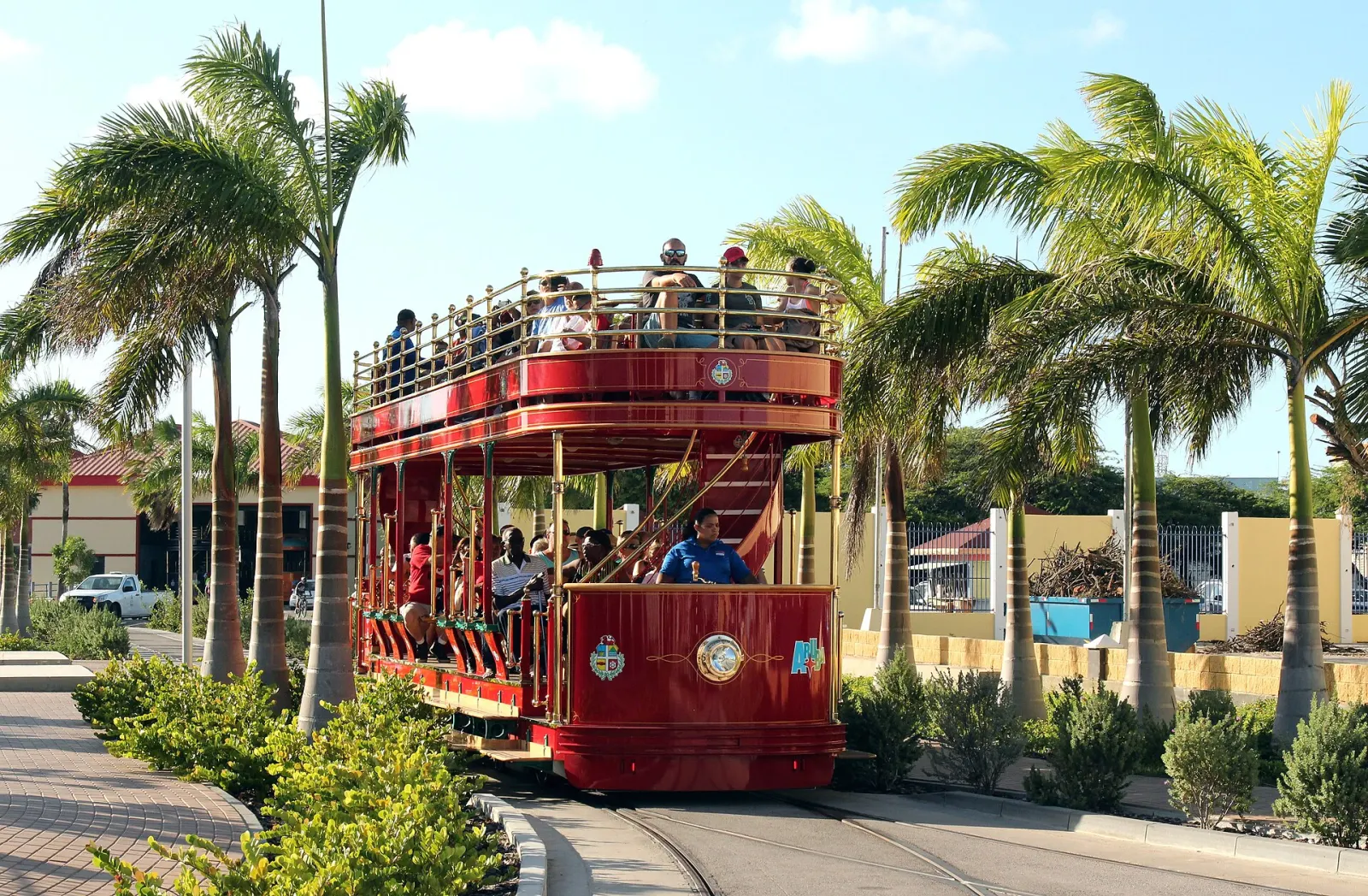
- By cruise ship: the main Oranjestad bus station is across from the cruise terminal, and the free downtown streetcar starts at Welcome Plaza beside it.
Entry rules
Every trip to Aruba needs the online ED card, and visitors arriving by air also pay the Sustainability Fee. Passport and visa rules depend on your nationality.
- The ED card is mandatory for every passenger, including infants and children. Fill it in on the official government portal, edcardaruba.aw, within the 7 days before you travel. Other websites may charge a fee to fill it in for you; the official form takes a few minutes.
- Sustainability Fee: US$ 20 for visitors arriving by air, in force since 1 July 2024. It is paid by card as part of the ED card process; children under eight, same-day transit passengers and crew are among the exemptions.
- Passport and visa: requirements depend on your nationality. The UK government, for example, says British visitors can stay up to 3 months without a visa with a passport valid for the whole stay. Check your own government's advice and your airline before booking.
- US preclearance at AUA: on flights to the US, US Customs and Border Protection inspects you in Aruba, so you skip CBP and TSA checks when you land in the US.
Weather
Aruba has a semi-arid climate that is warm all year: 28.4 °C on average and only 451 mm of rain a year, according to the Departamento Meteorologico Aruba (normals 1991–2020).
- Temperatures: the average daily maximum ranges from 30.3 °C in January to 33.2 °C in August and September; nights rarely fall below 25 °C.
- Rainy season, October–December: these three months bring about 244 mm, more than half of the year's rain. Showers usually fall in the early morning.
- Trade winds: easterly winds average about 27 km/h — strongest in June (about 32 km/h), lightest in November (about 20 km/h).
- Hurricanes: the Caribbean season runs June–November, but Aruba lies south of the main hurricane belt; the meteorological service says considerable damage occurs only about once every 100 years.
- High season runs from mid-December to mid-April. See the best time to visit Aruba and this week's forecast.
Getting around
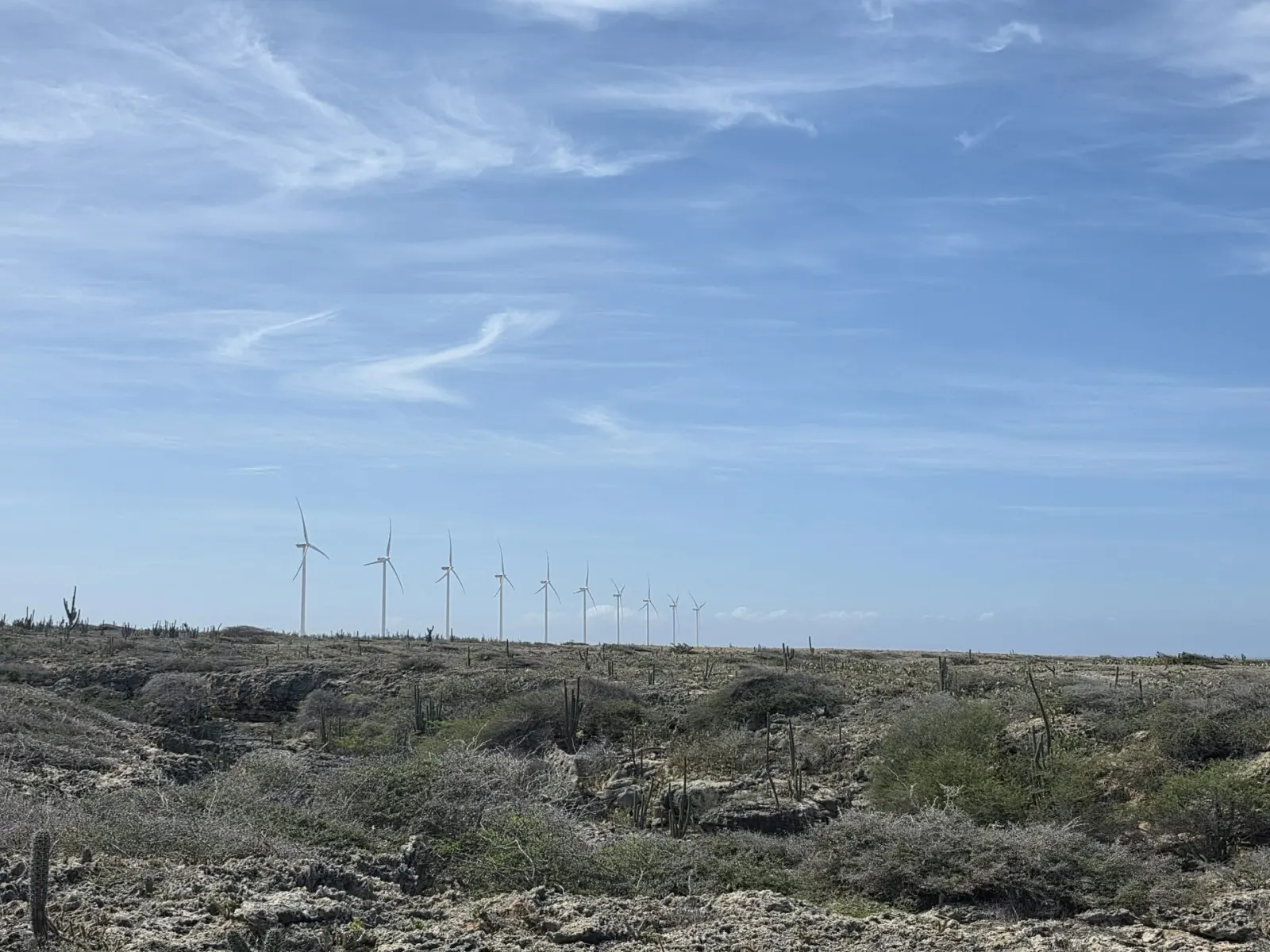
The island is about 32 km long, so distances are short. A rental car gives the most freedom; buses and fixed-fare taxis cover the hotel strip and the main towns.
- Driving: traffic keeps right; limits are 30 km/h in towns, 60 km/h outside and 80 km/h on faster roads; cars already on a roundabout have right of way. The Natural Pool is reachable only by 4×4.
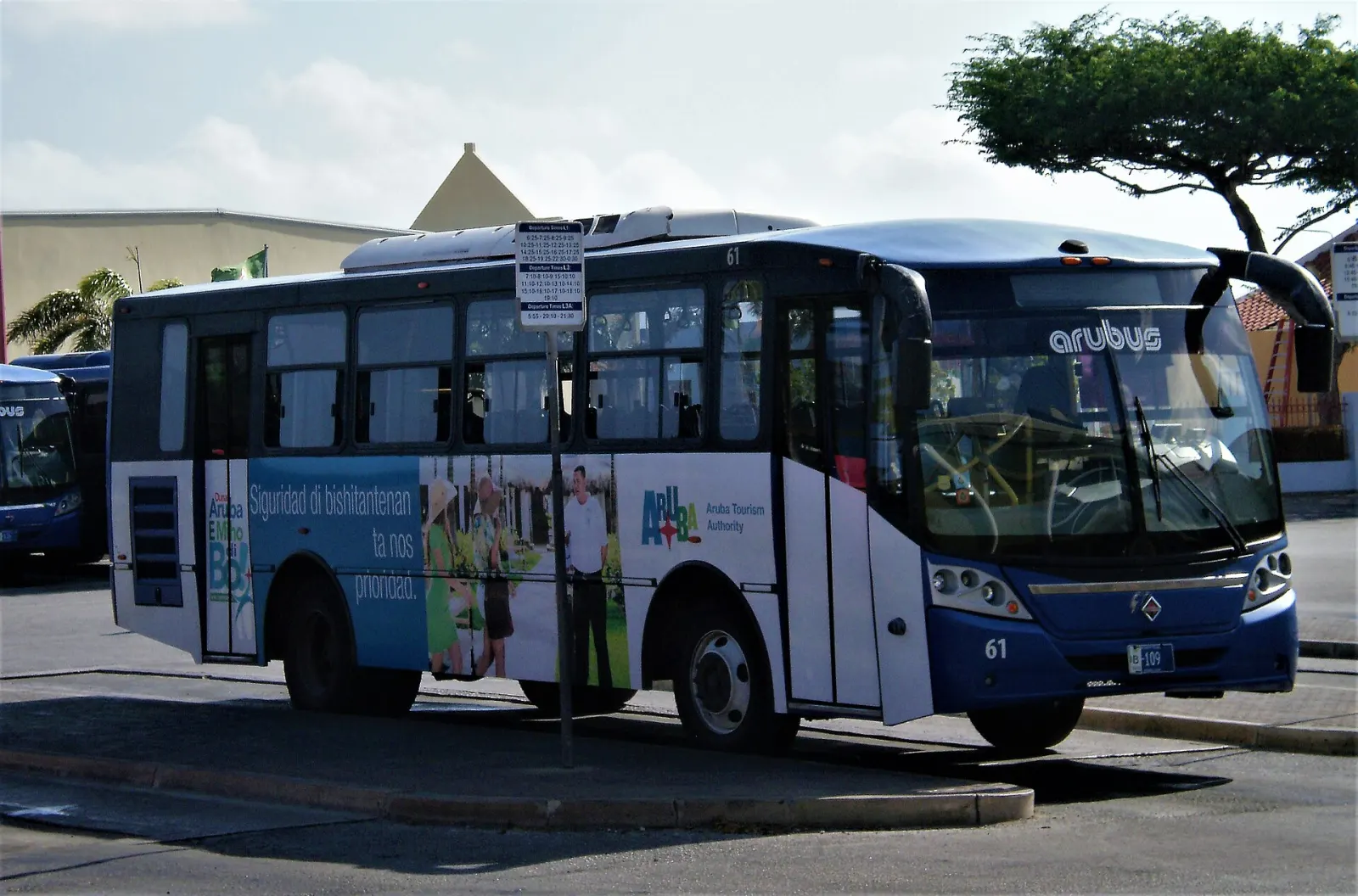
- Arubus: US$ 2.60 a trip or US$ 15 for a day pass (2026 fares). Line 10 serves the hotel area, Eagle Beach, Palm Beach and Arashi; Lines 1, 2 and 3 go to San Nicolas, and Line 900 continues to Baby Beach.
- Taxis: no meters — fares are fixed and government-approved. Minimum fare US$ 10; a US$ 5 surcharge applies on Sundays, holidays and from 23:00 to 7:00.
- Free streetcar along Oranjestad's main shopping street, between the cruise terminal and Plaza Nicky. Full details in getting around Aruba.
Money
The currency is the Aruban florin (AWG, also written Afl), fixed to the US dollar since 1986. US dollars are widely accepted, and many prices are shown in both currencies.
- Exchange rate: the Centrale Bank van Aruba set the florin at Afl 1.79 to US$ 1. Some fixed tariffs, such as taxi fares, are converted at Afl 1.80.
- Prices in both currencies: bus and taxi fares, for example, are published in florins and US dollars — a single Arubus trip is AWG 4.50 or US$ 2.60.
- Cards: the Sustainability Fee can only be paid online by card (cash is not accepted). On Arubus buses you can pay cash on board.
- Fuel: prices are regulated by the government and are the same at every station; at most stations an attendant fills the tank.
Health & safety
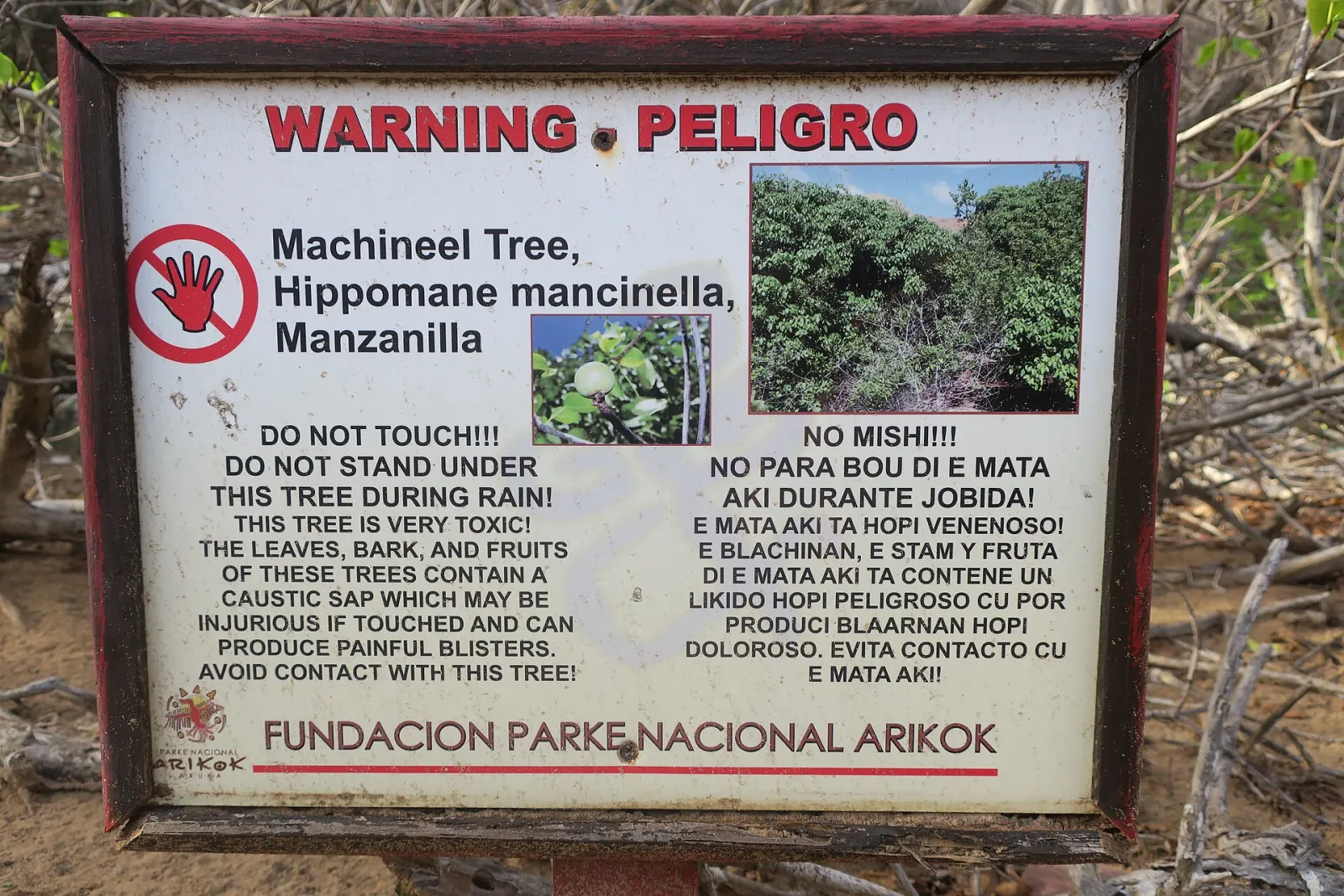
Aruba has few health risks for visitors. The main ones are the sun, the heat and the sea on the exposed north and east coast.
- Emergency numbers: 911 for ambulance and fire, 100 for police, 913 for the coastguard.
- Tap water is safe to drink. WEB Aruba, the water utility, says its desalinated water complies with WHO guidelines and needs no further treatment — refill your bottle.
- Sun and heat: Aruba lies at about 12.5° north and the breeze hides how strong the sun is. Use sunscreen, a hat and shade, and hike early.
- North-coast currents: the windward north and east coast has strong currents — at Boca Prins signs strongly advise visitors not to enter the water. Swim on the sheltered west and south coasts.
- Petty theft: as the UK government advises, don't take valuables or cash to the beach, and don't leave them in the car.
Itineraries
Ready-made plans
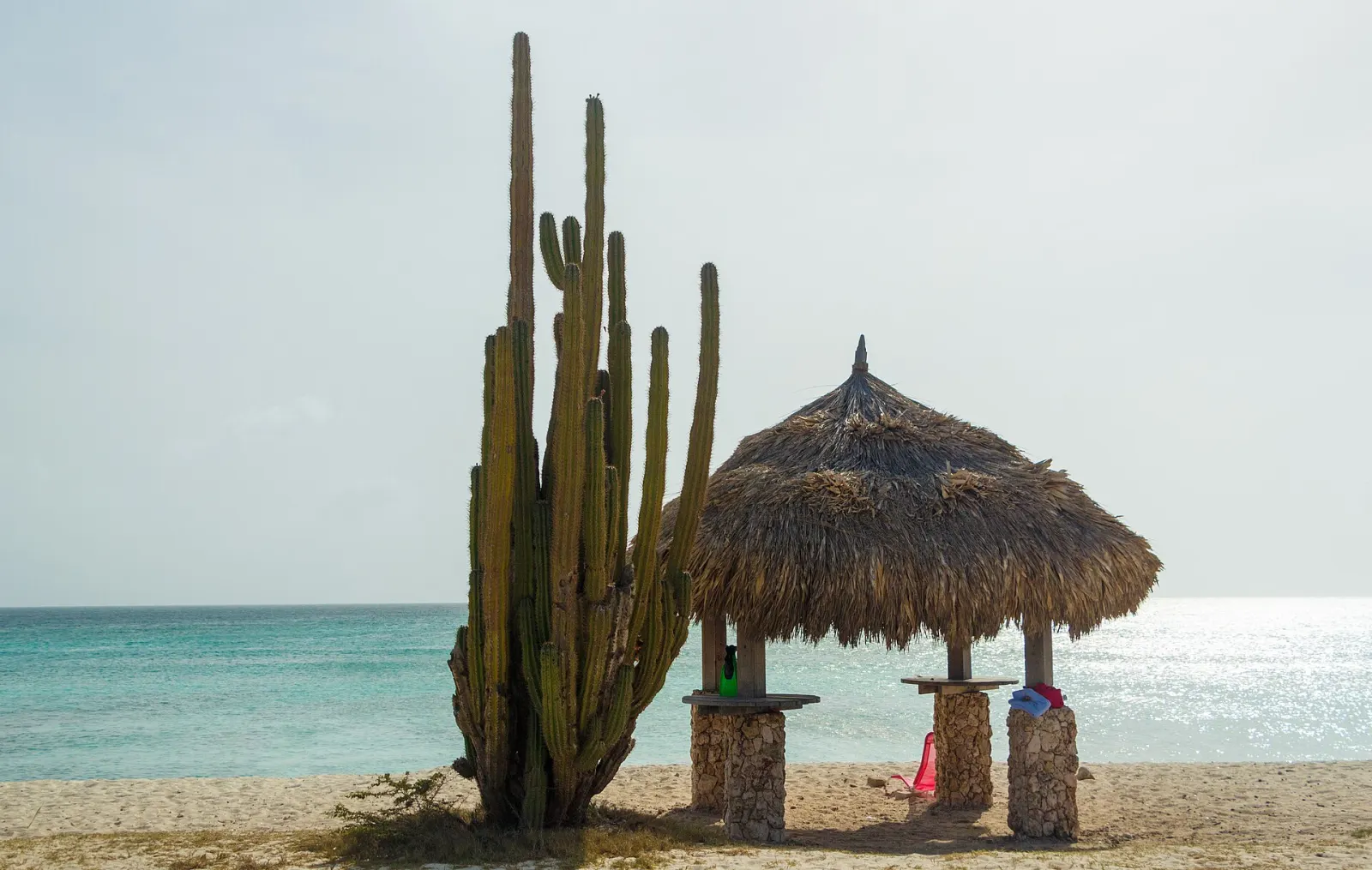
Aruba in 3 days: a beach weekend itinerary
Three days, three beach zones: Eagle Beach and the west-coast sunset, the snorkelling coves of the north-west tip, and the calm south coast down to Baby Beach.
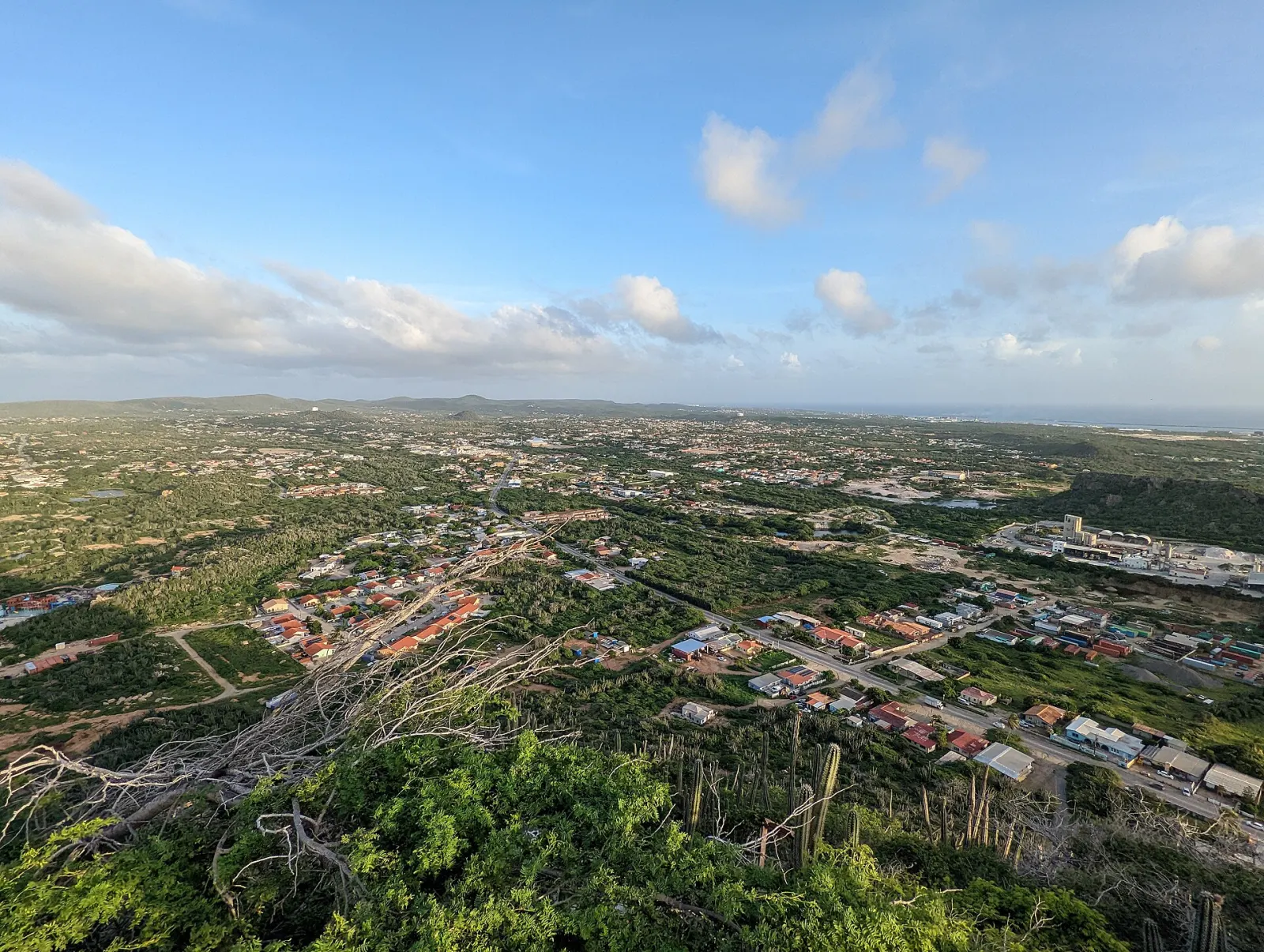
Aruba in 5 days: a first-time itinerary
A five-day first visit: Eagle Beach, Oranjestad and the free streetcar, the lighthouse and rock formations, a day in Arikok, and the south coast to Baby Beach.
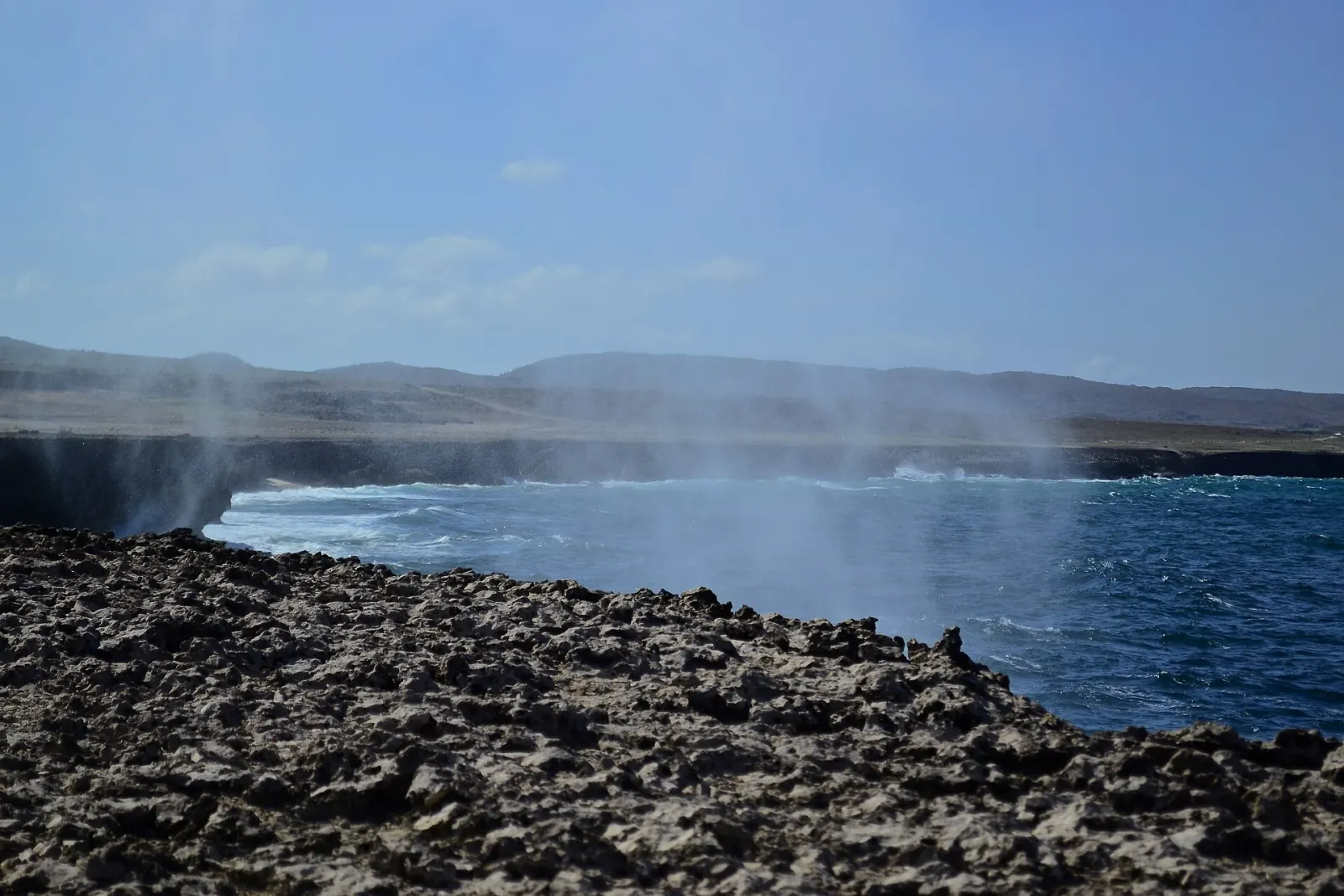
Aruba in 7 days: an active itinerary
A week of snorkelling, diving, windsurfing and hiking: the north-west coves, Arikok trails and caves, the Natural Pool, a wind day at Hadicurari and the Hooiberg climb.
Packing list
Don't forget
Weather in Aruba this week
Weather & best time →Forecast for Eagle Beach
Island notes, once a month
New events, beach tips and practical updates — no spam, unsubscribe any time.
Where should you start planning?
Start with the dates: Aruba is warm all year, so the choice is mostly about rain (October–December), wind (strongest May–August) and price (high season from mid-December to mid-April) — see the best time to visit Aruba. Then decide where to base yourself: the long beaches of Eagle Beach & Druif and Palm Beach & Noord suit most first trips, while Oranjestad is better for short stays without a car. Browse where to stay for options.
How many days do you need?
Three days covers the main beaches; five adds Oranjestad, the interior and Arikok National Park; seven leaves room for diving, wind sports and longer hikes. Our ready-made plans: 3-day beach weekend, 5-day first-time itinerary and 7-day active itinerary. Travelling with children? Read Aruba with kids.
Frequently asked questions
Do I need an ED card to visit Aruba?
Yes. The online ED (embarkation/disembarkation) card is mandatory for every passenger, including infants and children. Complete it on the official portal edcardaruba.aw within the 7 days before you travel.
How much is the Aruba Sustainability Fee?
US$ 20 per visitor arriving by air, in force since 1 July 2024. It is paid by card when you complete the online ED card. Children under eight are exempt.
Can I pay with US dollars in Aruba?
Yes. The Aruban florin is fixed at Afl 1.79 to US$ 1, US dollars are widely accepted, and many prices — such as bus and taxi fares — are published in both currencies.
Is the tap water in Aruba safe to drink?
Yes. WEB Aruba, the water utility, produces drinking water by desalinating seawater and states that it complies with WHO guidelines and needs no further treatment.
When is the rainy season in Aruba?
Roughly October to December. Those three months bring more than half of the year's 451 mm of rain, but showers are usually short and fall mostly in the early morning.
Do I need a car in Aruba?
Not if you stay mainly on the west-coast hotel strip: Line 10 buses and fixed-fare taxis cover it. A car is worth it for the north-west tip, the interior, the south coast and Arikok — but the Natural Pool is reachable only by 4×4.
What is the emergency number in Aruba?
Call 911 for an ambulance or the fire service and 100 for the police. The coastguard is on 913.
Travel guides