
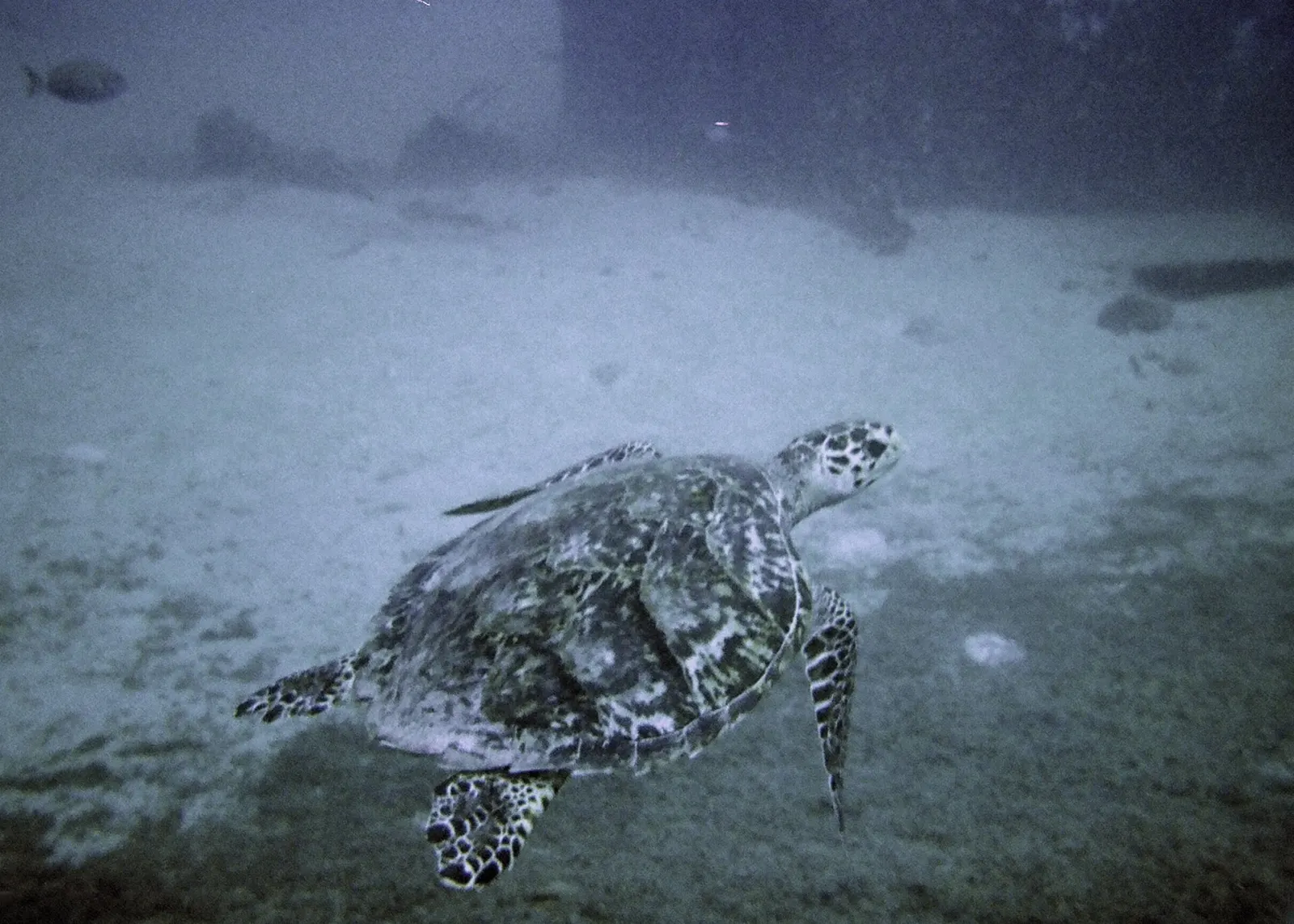
Scuba diving
Wreck and reef diving on Aruba's sheltered west and south coasts: the 1940 Antilla, the shallow Pedernales, the Jane Sea and shore dives at Mangel Halto.
Aruba's diving is built around wrecks. The best known is the SS Antilla, a 121 m German freighter scuttled off Malmok on 10 May 1940, but the Aruba Tourism Authority's own list of top wrecks runs to ten, from the Pedernales in under 8 m to deep sites below 37 m. Most sites lie off the sheltered west and south coasts and are reached by boat; Mangel Halto offers shore diving.
Which wrecks can you dive in Aruba?
- Antilla – Hamburg America Line freighter launched in 1939, scuttled by her own crew when Germany invaded the Netherlands. She lies on her port side in Malmok Bay at up to 18 m. Storms have broken her up; the tourism authority says swimming through the wreck is not allowed because it is old and fragile.
- Pedernales – the mid-section of a tanker torpedoed by the German submarine U-156 in San Nicolas harbour on 16 February 1942. The bow and stern were rebuilt and sailed away; the middle was left at Aruba, later used as a bombing target, and now lies scattered in about 7.6 m of water. A common first wreck dive.
- Jane Sea – a Venezuelan cargo ship sunk in 1988 as an artificial reef: bow at about 18 m, propeller at about 28 m. Entry is prohibited because the hull is not fully stable.
- Kappel – a small ship sunk in 2010 off Mangel Halto, reachable as a shore dive at about 15 m; the inner reef there sits around 17 m and the outer reef drops to about 30 m.
Deeper wrecks such as the Topaz (37–47 m) are for experienced divers only.
When are conditions best?
The trade wind blows from the east all year (mean direction 80–90° in every month, according to the Departamento Meteorologico Aruba), so the dive sites on the leeward side stay diveable most days. The windiest period is May to July (mean 8.3–8.8 m/s); October to December has the lightest winds but the most rain — 451 mm a year in total, mostly in short showers.
What rules apply underwater?
Four marine protected areas totalling about 60 km² — Parke Marino Aruba, which includes the Mangel Halto coast, the Oranjestad reef islands, Seroe Colorado and the Arikok coast — are managed by the Aruba Conservation Foundation. Access is free, but feeding wildlife is strictly prohibited. Since July 2020 sunscreens containing oxybenzone may not be imported or sold in Aruba. Do not take anything from wrecks or reefs.
Do you need to be certified?
Wreck penetration and deep sites require certification and experience; check with your dive centre. Beginners can start with discovery dives in shallow water or try snorkelling over the Antilla first. After diving, avoid flying for the interval your training agency recommends — the airport is only minutes away, so it is easy to cut this short.
How do you combine diving with the rest of the island?
North-west sites (Antilla, Malmok reefs) pair well with an afternoon at Arashi Beach or a sunset sail; south-coast dives at Mangel Halto combine with Savaneta and Zeerovers.
Where to go
Know before you go
- Start shallow. The Pedernales at about 7.6 m is a gentle first wreck; save deeper sites like the Jane Sea propeller (about 28 m) for later dives.
- Stay outside the wrecks. The tourism authority says the Antilla must not be swum through and the Jane Sea must not be entered: both hulls are fragile.
- Plan your last dive. Leave the no-fly interval your agency recommends before your flight home; book the final dive day accordingly.
FAQ
Why was the Antilla sunk?
When Germany invaded the Netherlands on 10 May 1940, Dutch forces moved to seize German ships in the colonies; the crew opened the seacocks and set fires so the ship could not be captured.
Can I shore dive in Aruba?
Yes. Mangel Halto is the best-known shore dive, with the Kappel wreck at about 15 m and an outer reef dropping to about 30 m.
Is there a marine park fee?
No. The Aruba Conservation Foundation states that access to the marine protected areas is free and possible at all hours, but certain activities, such as feeding wildlife, are prohibited.
More things to do
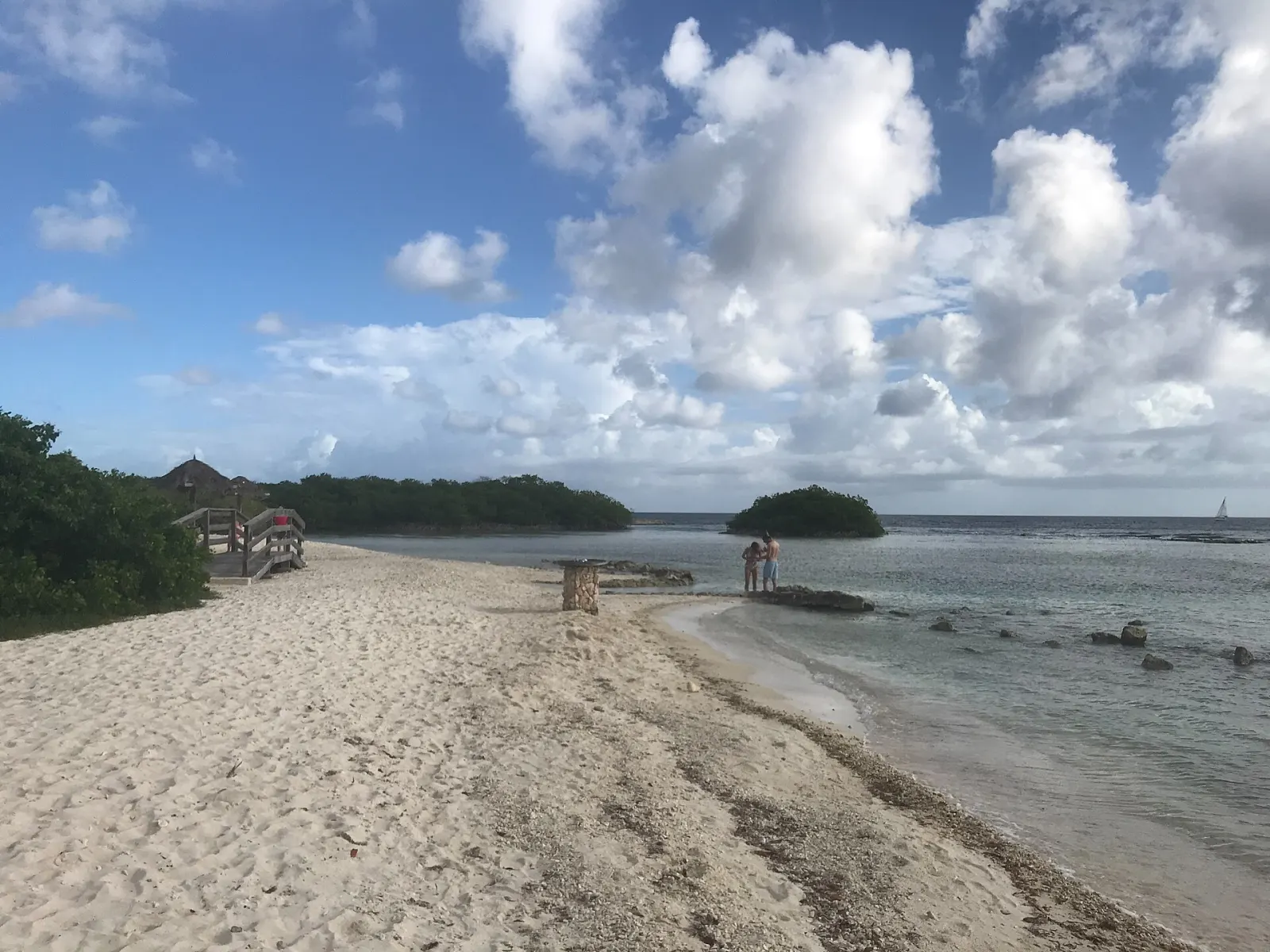
Kayak & paddleboard
Paddling Aruba's calm south and west coasts: the mangroves and reef of Mangel Halto, the protected Spaans Lagoen wetland, and the flat water off Palm Beach and Malmok.
1–3 h
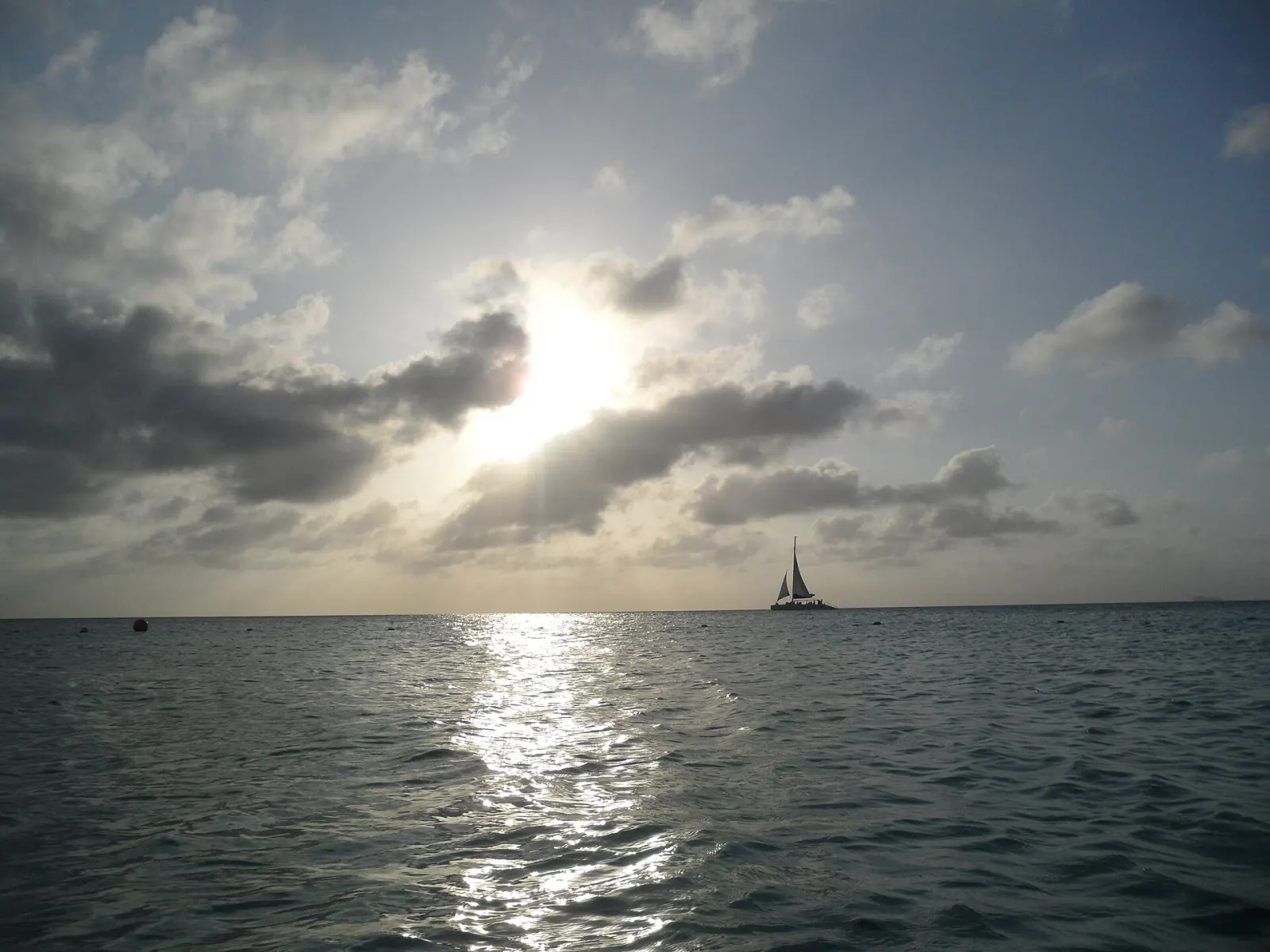
Sailing & sunset cruises
Catamaran and schooner trips from Palm Beach along Aruba's sheltered west coast: snorkel sails over the Antilla wreck and evening cruises timed for the sunset.
2–4 h
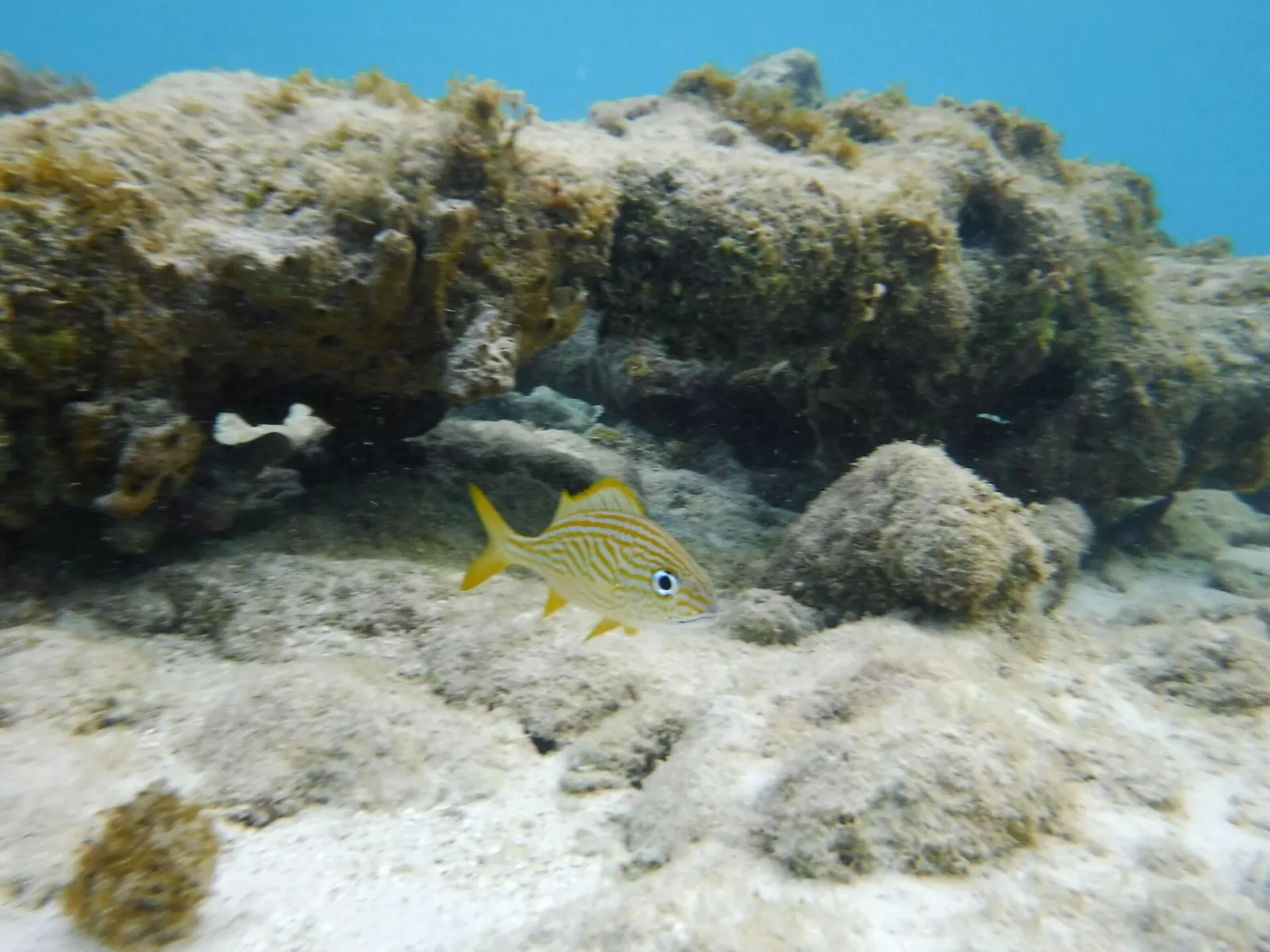
Snorkelling
Shore snorkelling on Aruba's calm west and south coasts, from Boca Catalina and Malmok to Mangel Halto and Baby Beach, plus boat trips to the Antilla wreck.
1–3 h