
Alto Vista Chapel
A small yellow Catholic chapel on a hill above Aruba's north coast, rebuilt in 1952 on the site of the island's first church, founded in 1750.
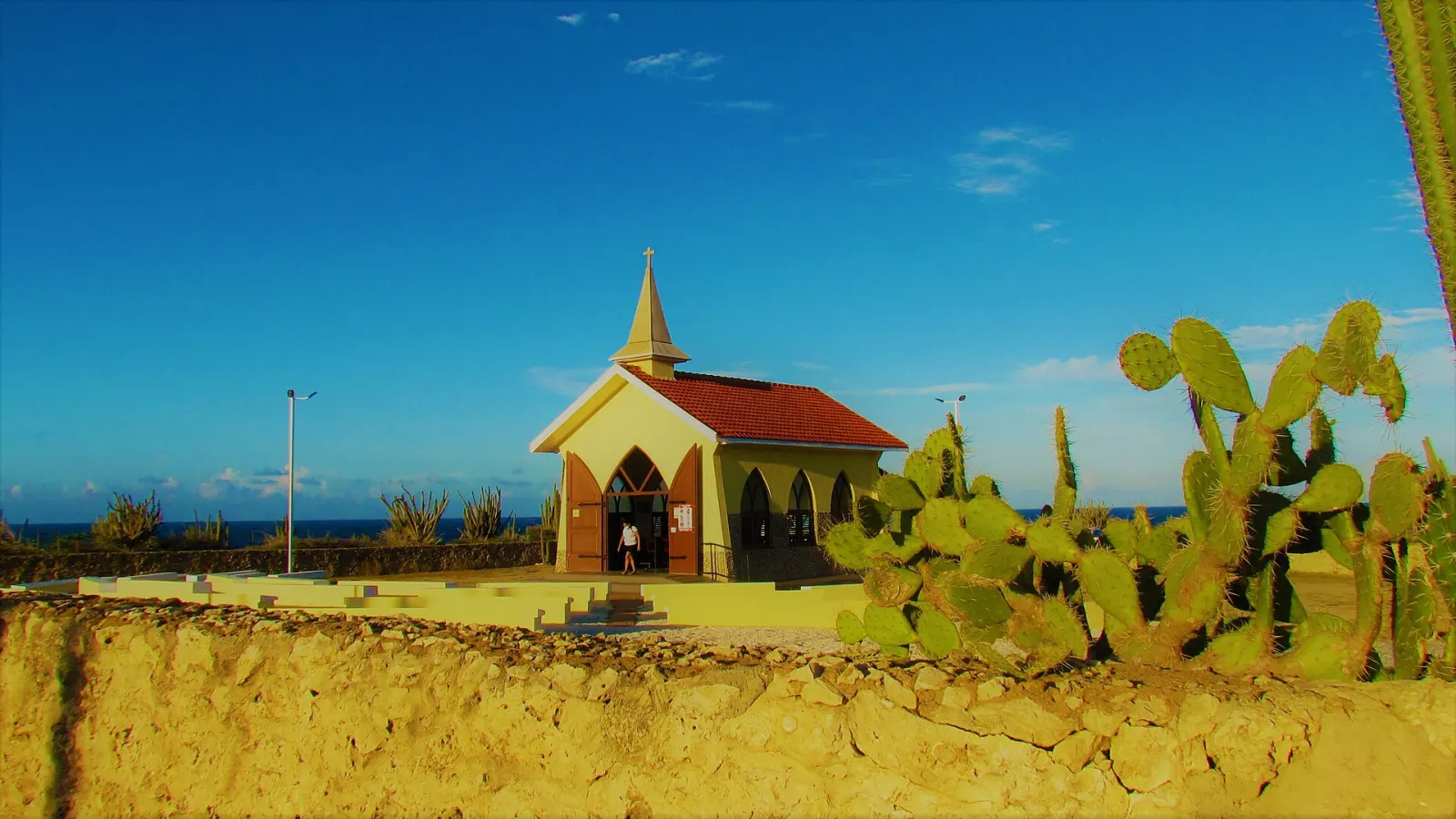
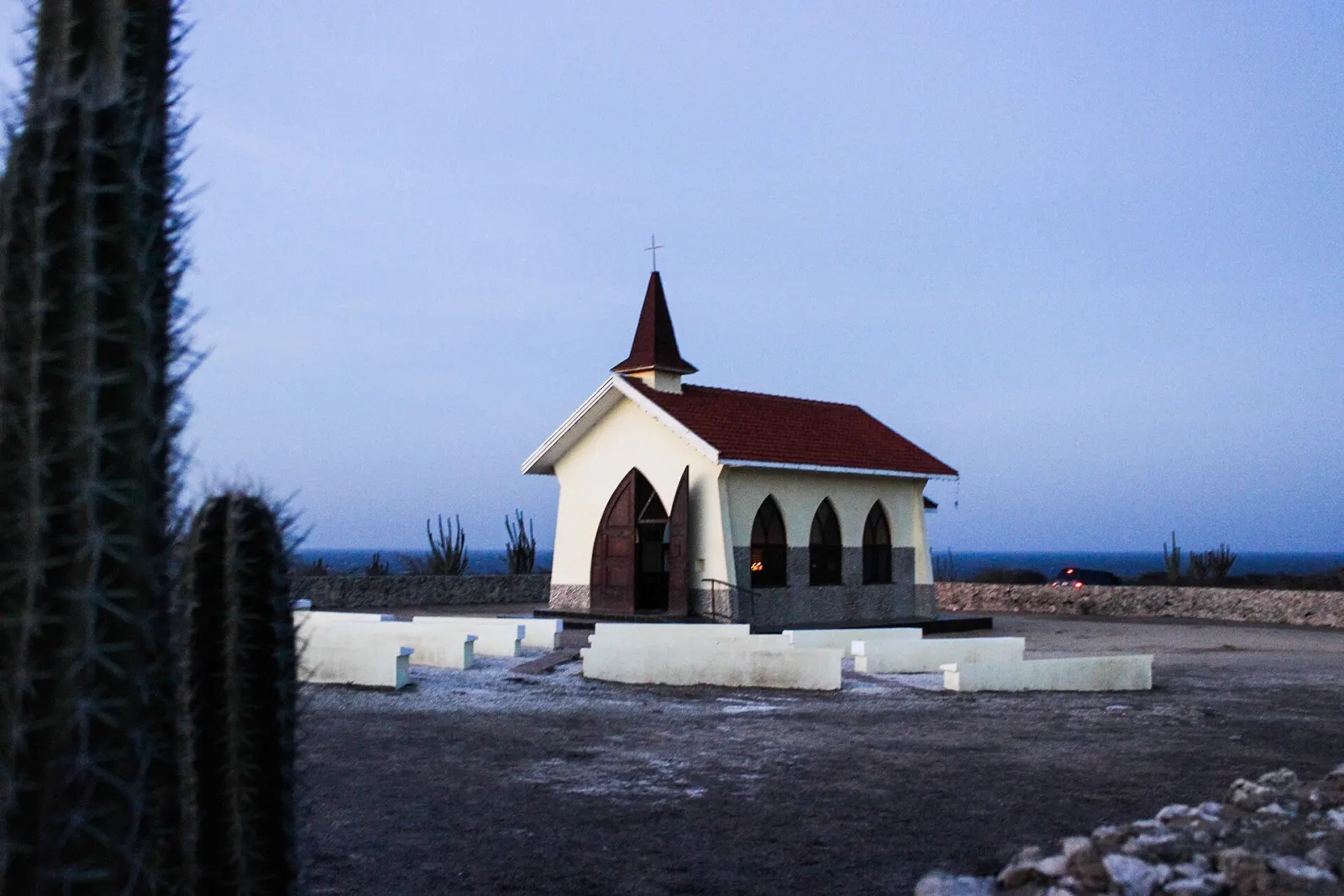
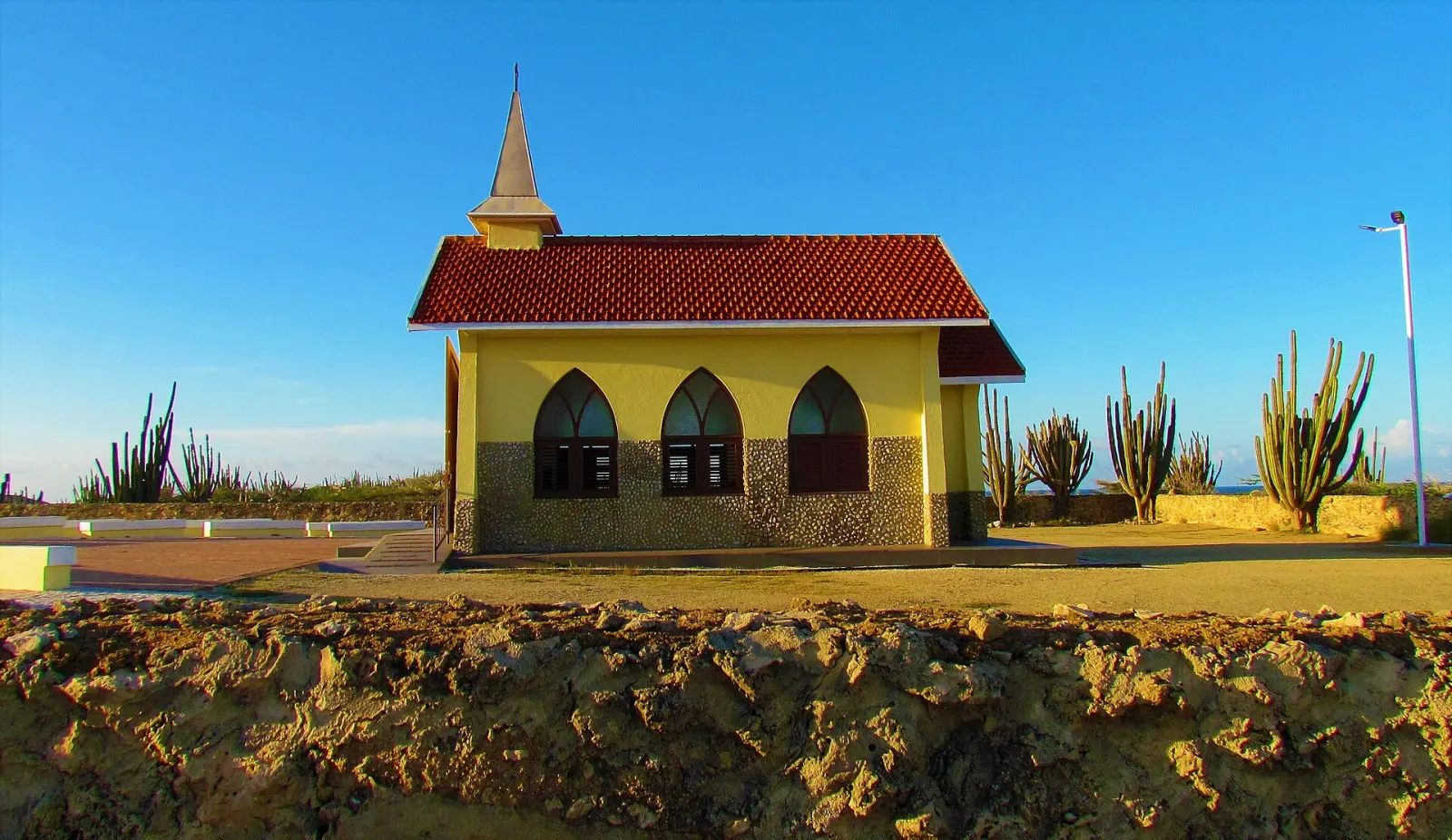
Alto Vista Chapel is a small, bright-yellow Catholic chapel on a hill north-east of Noord, looking out over the island's wild north coast. The present building was completed in 1952 on the site of the first chapel, founded in 1750 — the place where the conversion of Aruba's Amerindian population to Christianity is said to have begun. It is quiet, free to visit and an easy stop between the California Lighthouse (about 8 km away) and the island's interior.
What is the history of Alto Vista?
In the 18th century much of Aruba's Indigenous population lived in this north-eastern area. The first chapel, built in 1750 with stone walls and a straw roof, was founded through the work of a missionary from Venezuela; sources name Domingo Antonio Silvestre. The settlement around it was called Alto Vista, "high view". After an epidemic in the early 19th century the remaining inhabitants moved to Noord, and the chapel was abandoned from 1816 and fell into ruin. Its old wooden cross went to St. Ann's Church in Noord. The chapel was rebuilt and reopened in 1952.
What will you see there?
- The chapel itself: a simple single-nave building painted yellow, with a modest interior, statues and votive candles left by visitors.
- The road of crosses: the winding approach road is lined with a series of white crosses, a reminder that this is a place of pilgrimage. An annual procession walks here from Noord.
- The setting: cactus and boulders around the chapel, and a view over the bare, wind-beaten north coast.
When should you go?
Early morning or late afternoon, when the light is soft on the yellow walls and the heat is lower. Weekday mornings are calmest; tour vans tend to arrive mid-morning. If a service, wedding or funeral is taking place, wait outside and keep noise down — it is an active place of worship, not a museum.
Good to know
- Free entry; no official opening hours are published, and the doors are not always open.
- Dress respectfully inside (cover shoulders and swimwear).
- No facilities beyond a small parking area; bring water.
- The dirt road along the north coast continues towards the ruins of Bushiribana; that stretch is rough and best done slowly or by 4×4.
Pair it with the beaches of Palm Beach for the afternoon, or with the Butterfly Farm if travelling with children.
Don't miss
Getting there
From Noord, follow the signs for Alto Vista north-east; the road narrows and the last section is an unpaved, dusty track lined with white crosses that ends at the chapel's small car park. A normal car manages it in dry weather if driven slowly. The California Lighthouse is about 8 km away.
Local tips
- Visit early or late. Soft light, fewer tour vans and less heat before 9:00 or after 16:00.
- Respect services. It is an active chapel. During a mass, wedding or funeral, wait outside and keep voices low.
- Drive the dirt road slowly. The approach is dusty and winding; the north-coast track beyond is rougher and better suited to a 4×4.
Things to do here
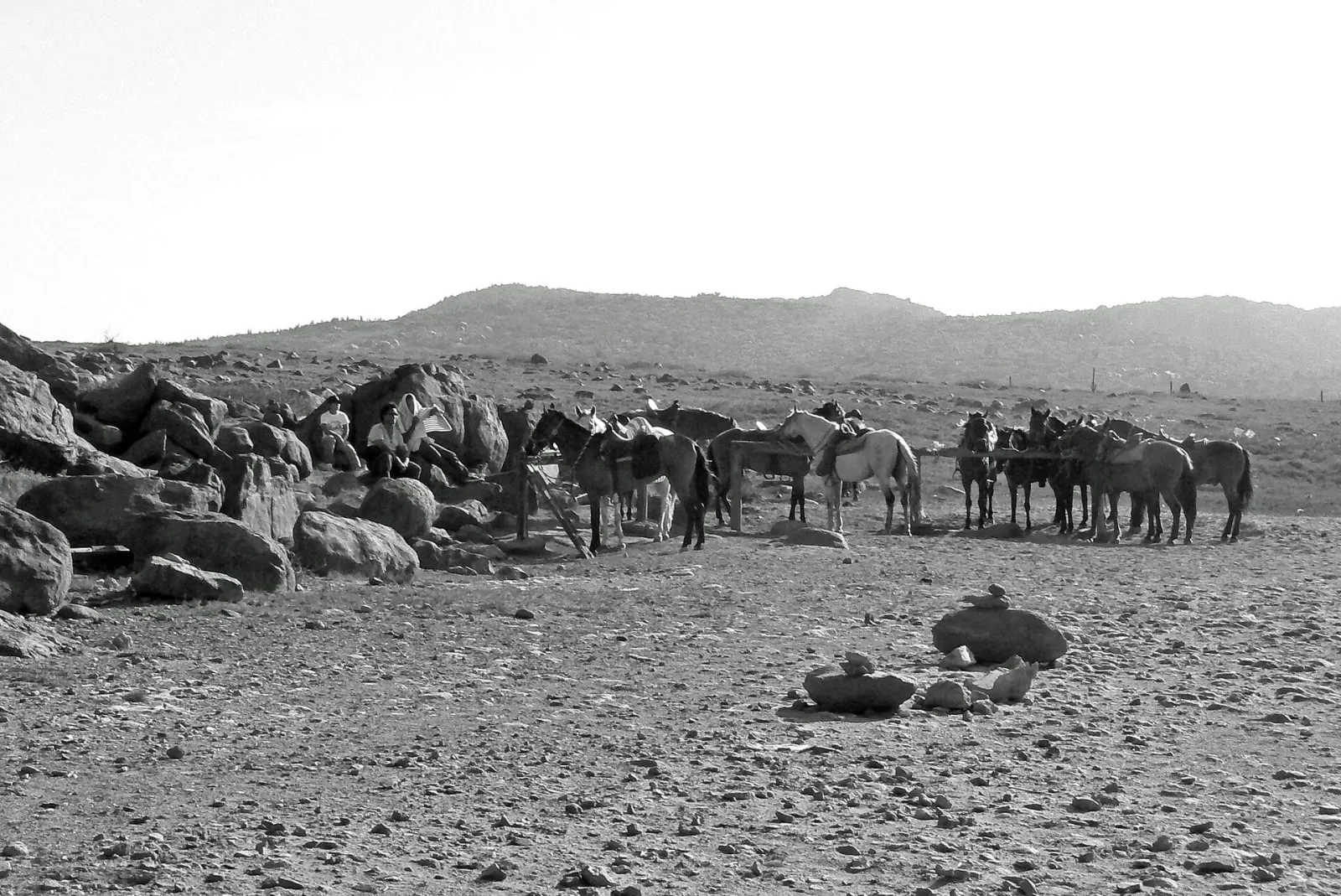
Horseback riding
Guided rides through Aruba's cactus country and along the rugged north coast, including routes to the Natural Pool in Arikok, mostly on gaited Paso Fino horses.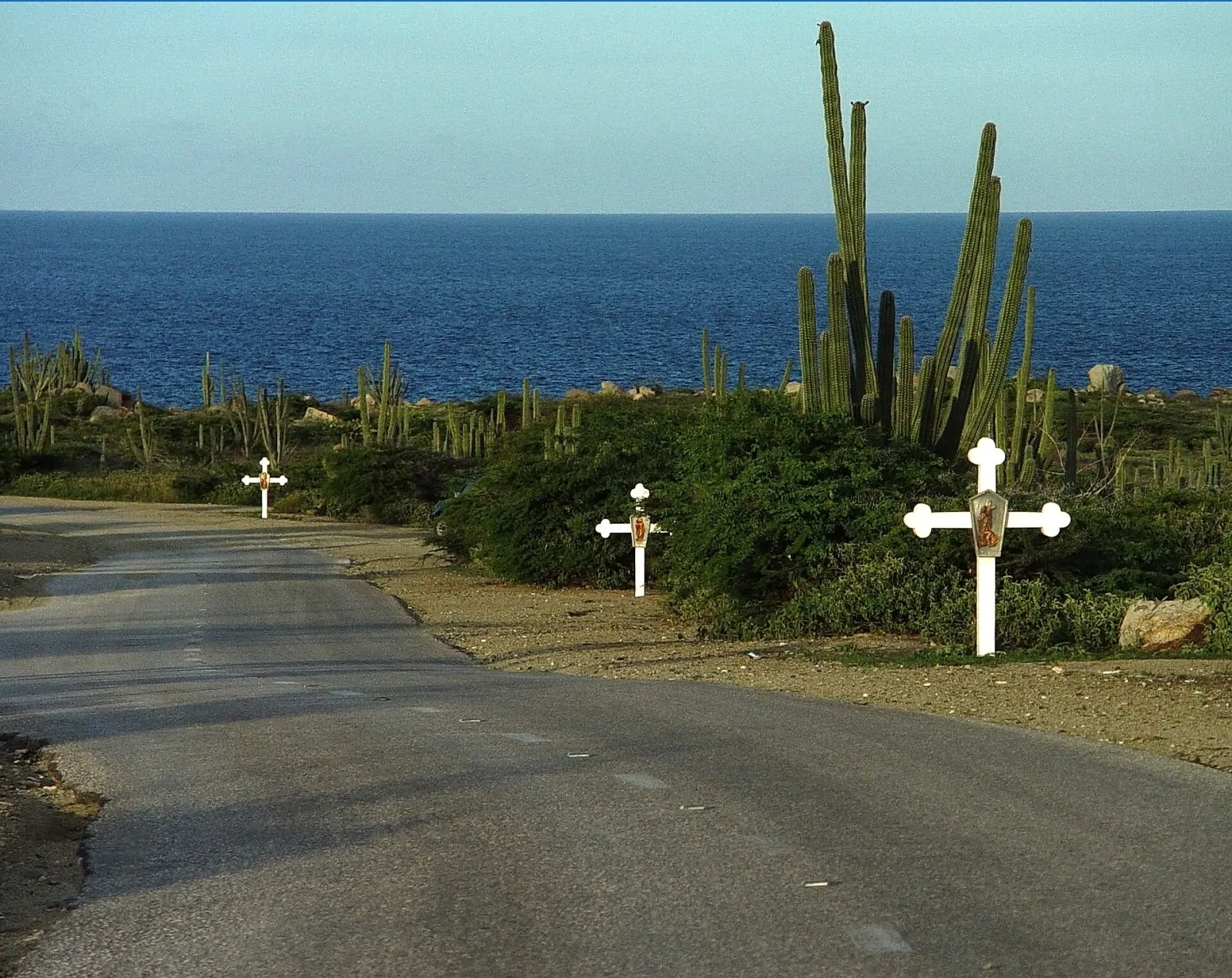
Island highlights drive
A self-drive day loop around Aruba: California Lighthouse, Alto Vista Chapel, the Bushiribana gold mill, Ayo and Casibari rocks, Hooiberg, Arikok and Baby Beach.Nearby
The Old Cunucu House
Home-style Aruban cooking — keshi yena, stobas, pan bati and funchi — in a cunucu house over 150 years old near Palm Beach.
Gasparito Restaurant & Art Gallery
Traditional Aruban dishes such as goat stew, pan bati and funchi, served among local art on an 1807 estate in Noord; open since 1989.
Hadicurari Beach (Fisherman's Huts)
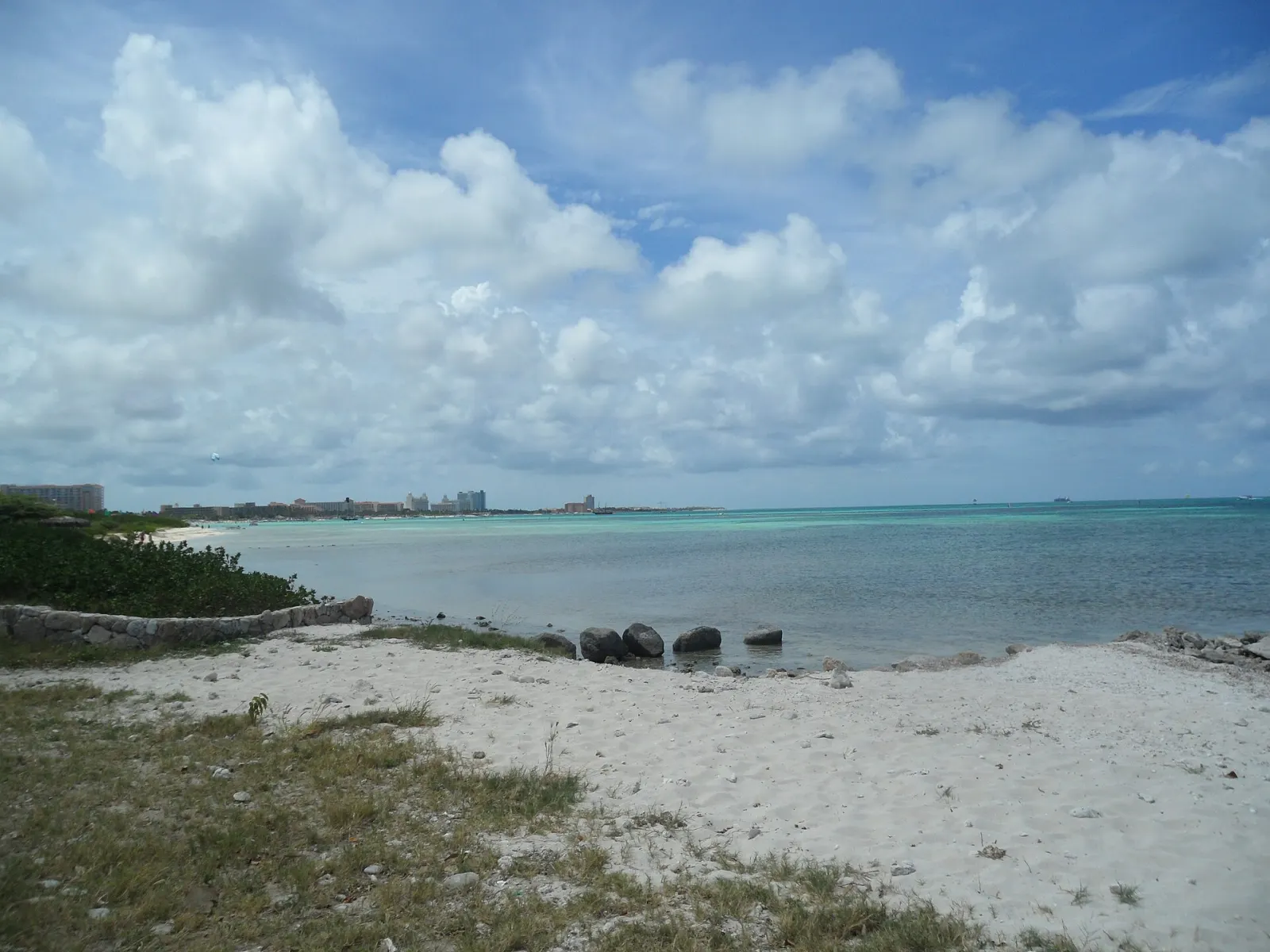
Aruba's windsurf and kitesurf hub just north of Palm Beach: shallow, calm water for learners, schools on the beach and the Hi-Winds each June or July.
More sights
The Butterfly Farm
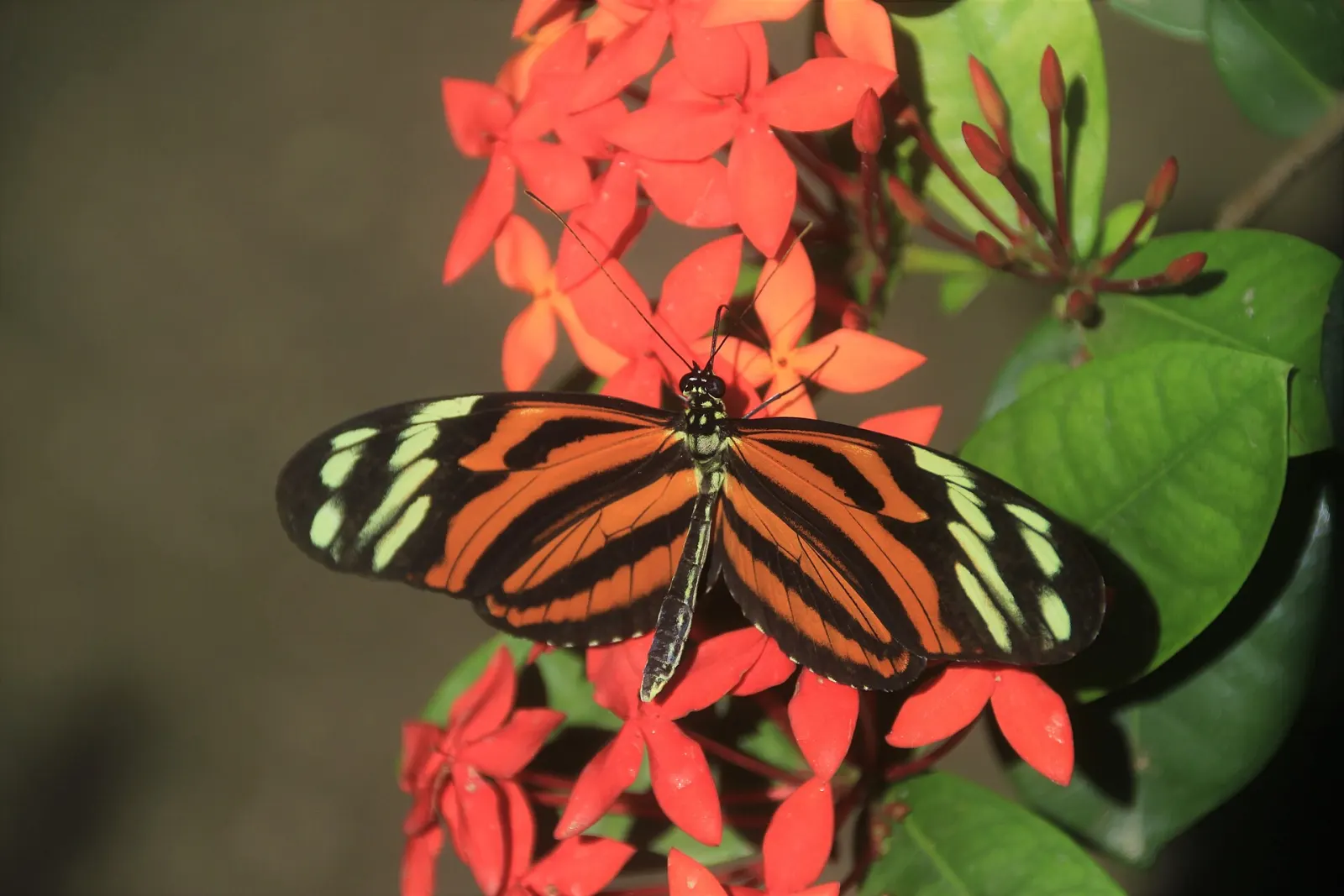
A walk-through tropical garden full of butterflies on the Palm Beach strip, with guided talks on metamorphosis; tickets allow return visits during your stay.
Bushiribana Gold Mill Ruins
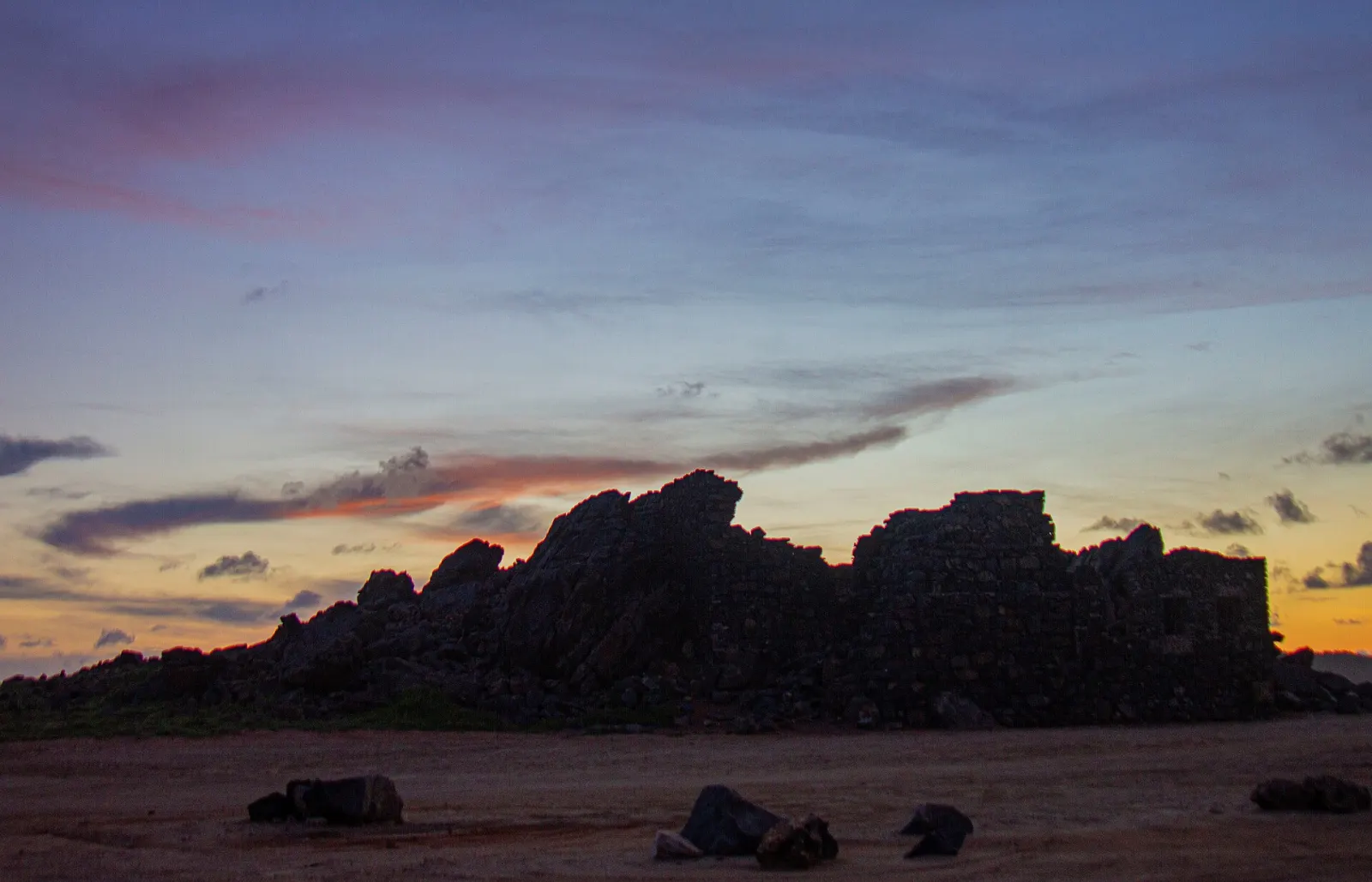
Stone ruins of an 1870s gold-processing mill on Aruba's wild north coast — open ground, free, and fragile: walls are partly collapsed.
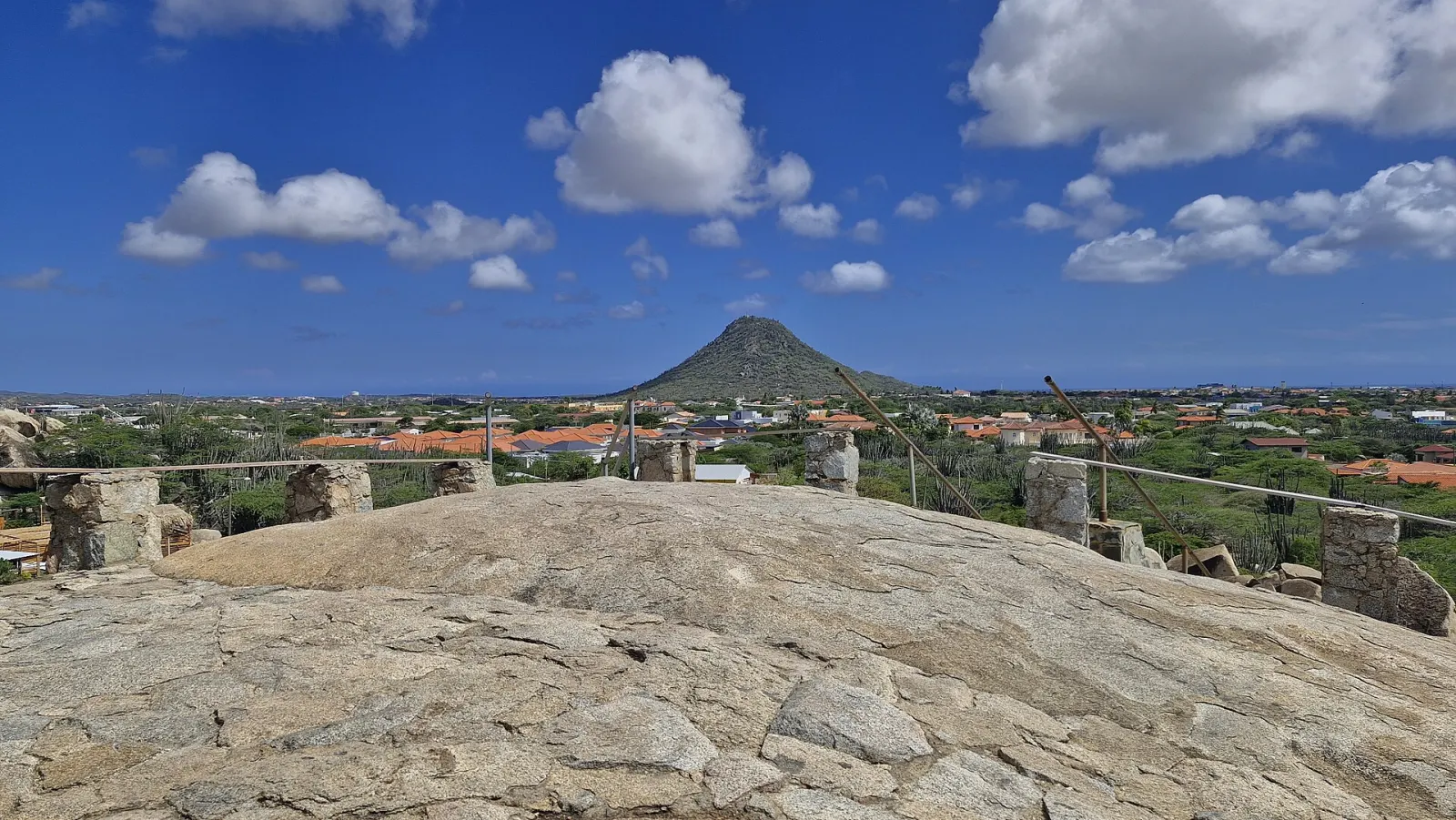
Casibari Rock Formations
Giant tonalite boulders in Aruba's interior, north of Hooiberg, with steps and narrow passages up to a 360° lookout over the island.