
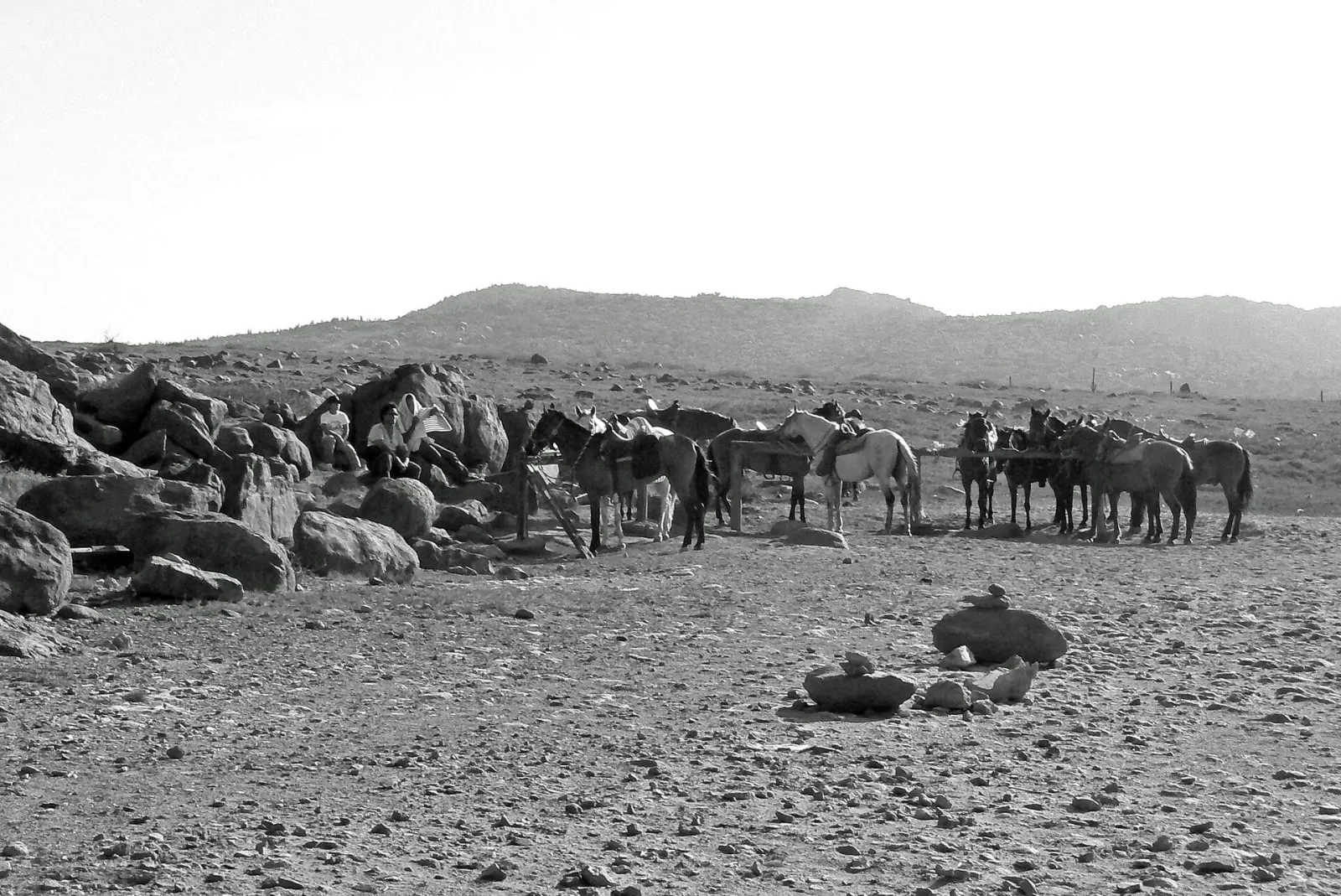
Horseback riding
Guided rides through Aruba's cactus country and along the rugged north coast, including routes to the Natural Pool in Arikok, mostly on gaited Paso Fino horses.
Riding is one of the few ways — besides hiking and 4×4 — to reach the remote north and east coasts of Aruba. Ranches on the island run guided rides through the cunucu (countryside), past candle cacti and boulders, and along the coast; the Aruba Tourism Authority notes that most of their horses are gaited Paso Finos, a breed known for a smooth, comfortable ride, and lists the Natural Pool as a destination reached on horseback.
Where do rides go?
- The north coast – the windward shore between the Bushiribana gold mill ruins and Arikok, with limestone cliffs, small coves and constant surf.
- Arikok National Park – the Natural Pool (Conchi) can be reached on foot, on horseback or by 4×4; standard cars are not permitted beyond the park checkpoints. Everyone entering Arikok needs a conservation pass (US$ 22 per adult in 2026, under-17s free) — ask whether your ride includes it.
- Countryside trails – inland routes through cactus scrub and rock formations, often combined with a coastal stretch.
When is the best time to ride?
Early morning or late afternoon. Average daily maximums range from 30.3 °C in January to 33.2 °C in August and September (Departamento Meteorologico Aruba, 1991–2020), and there is very little shade along the routes. Late-afternoon and sunset rides avoid the worst heat; the trade wind, which blows from the east all year, helps but also carries dust.
Is it suitable for beginners?
Most ranches match horses to riders' experience, and gaited horses are generally easier to sit on than a trotting horse. Still, rides cross uneven, rocky ground: ask about age and weight limits, group size, helmets and how long you will actually be in the saddle before you book. Tell the guide honestly how much you have ridden.
What rules and safety points apply?
Inside Arikok, stay on the routes your guide uses, take nothing and leave no litter; the park rules prohibit disturbing animals and plants. On the north coast, do not swim where the surf breaks — currents are strong — and at the Natural Pool swim only when the sea is calm and rangers allow it. Wear long trousers to avoid saddle rub and cactus scratches.
How does it fit into a trip?
A morning ride pairs well with a visit to the Alto Vista Chapel or the California Lighthouse on the same side of the island. For other ways to see the wild coast, compare hiking in Arikok and jeep tours.
Where to go
Know before you go
- Check what's included. Rides into Arikok require the conservation pass (US$ 22 per adult in 2026); ask whether it is part of the price.
- Wear long trousers. They prevent saddle rub and protect against cactus spines on narrow trails.
- Don't swim in the surf. North-coast currents are strong; at the Natural Pool, swim only in calm seas and follow ranger advice.
FAQ
Can you ride a horse to the Natural Pool?
Yes. The Aruba Tourism Authority lists horseback as one of three ways to reach Conchi, together with hiking and 4×4.
Do I need riding experience?
Not usually; ranches match horses to riders, and gaited horses are comfortable for beginners. Confirm age and weight limits and the ride length when booking.
When is it coolest to ride?
Early morning and late afternoon. Average maximums are about 30 °C in January and 33 °C in August–September, with little shade on the trails.
More things to do
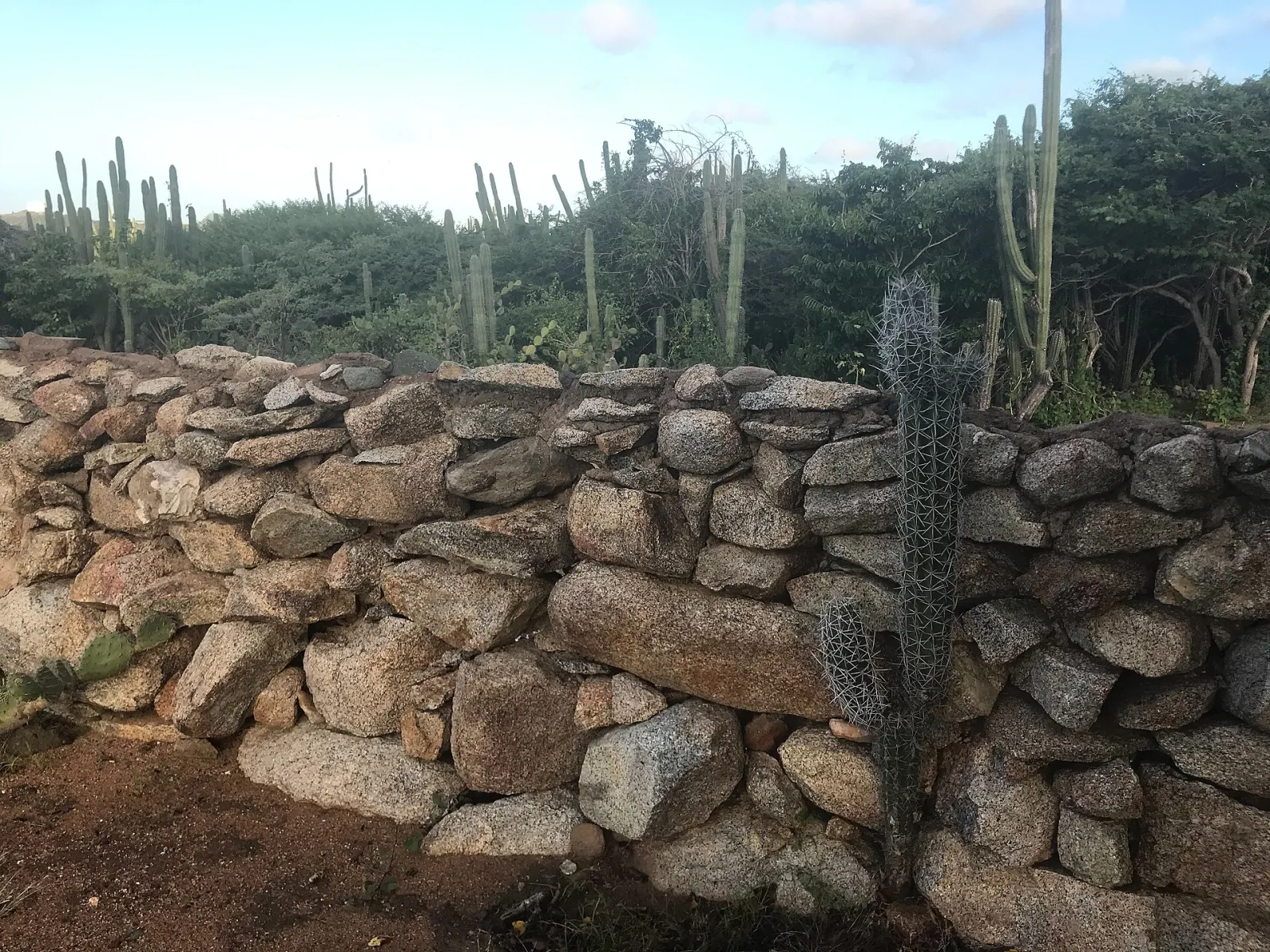
Hiking in Arikok
Trails through Arikok National Park, from the easy Cunucu Arikok loop to Jamanota, Aruba's 188 m high point, with ranger-led hikes, the park pass and heat advice.
1.5–3.5 h
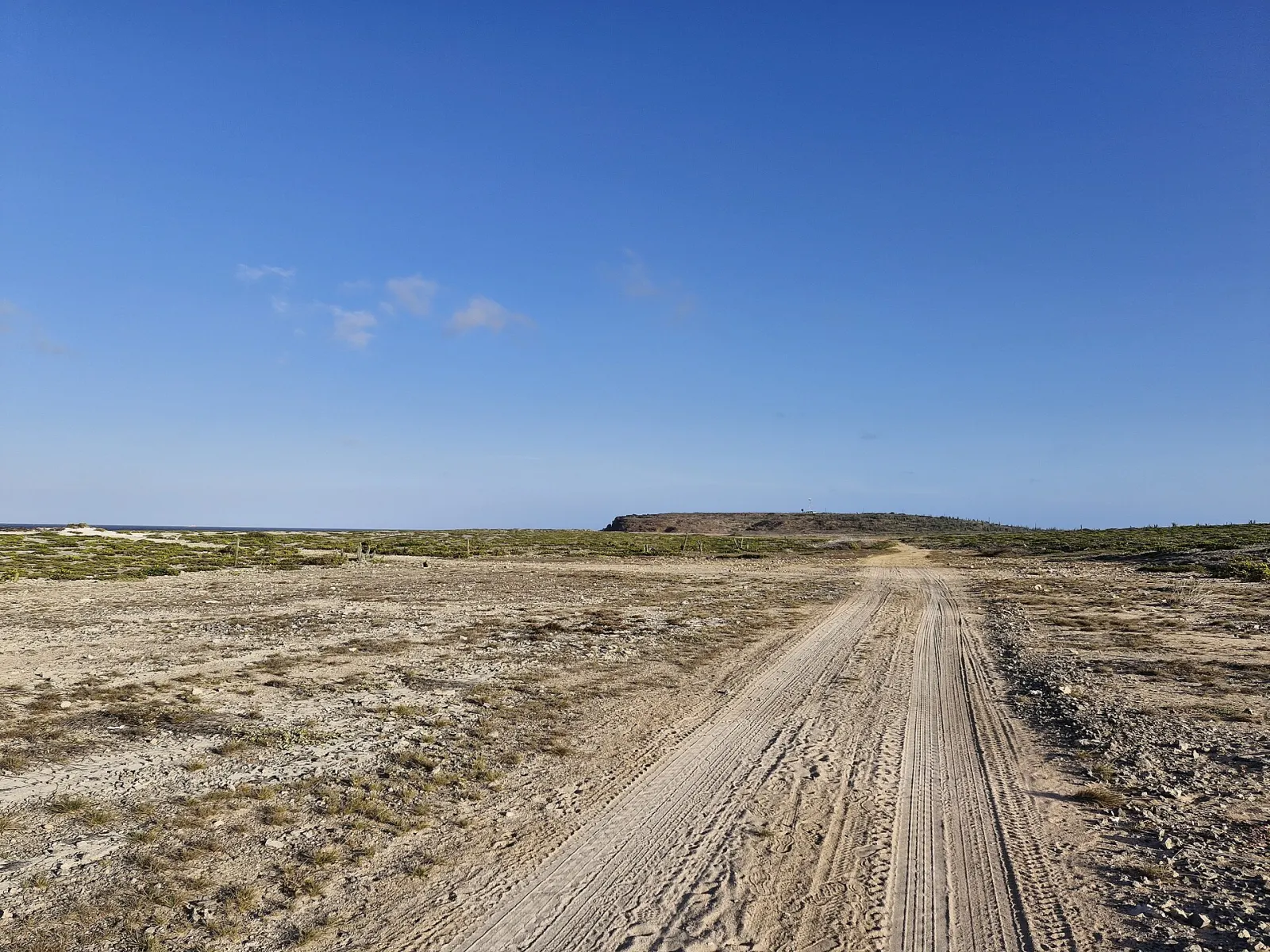
Jeep & UTV tours
Exploring Aruba's rugged north and east coasts by 4×4: where jeeps may drive, why ATVs and UTVs are banned from protected nature areas, and the Arikok park rules.
3–8 h
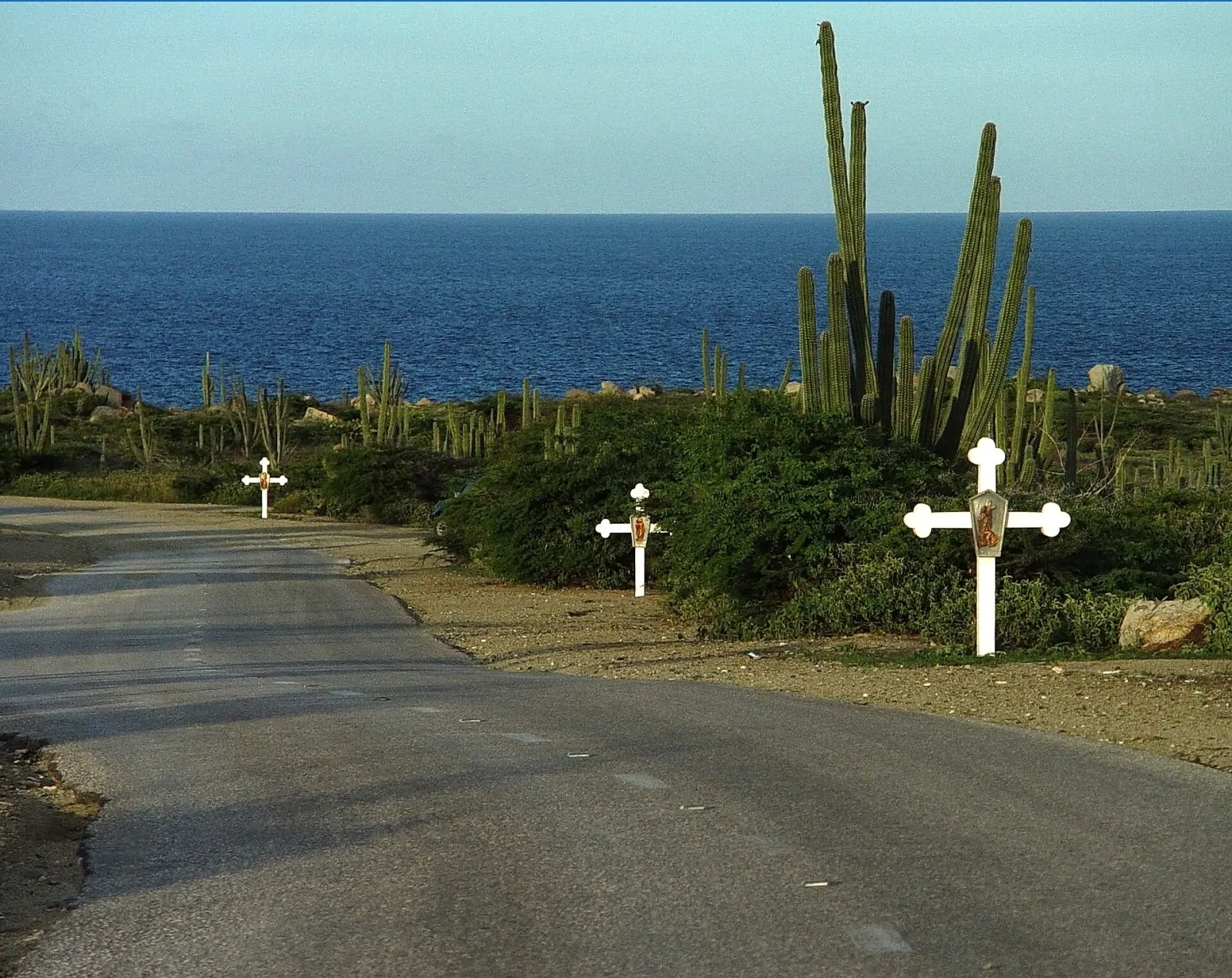
Island highlights drive
A self-drive day loop around Aruba: California Lighthouse, Alto Vista Chapel, the Bushiribana gold mill, Ayo and Casibari rocks, Hooiberg, Arikok and Baby Beach.
6–8 h