
Donkey Sanctuary Aruba
A volunteer-run refuge for 130+ Aruban donkeys at Bringamosa. Open daily 9:00–16:00 except 1 January; no admission fee, donations welcome.
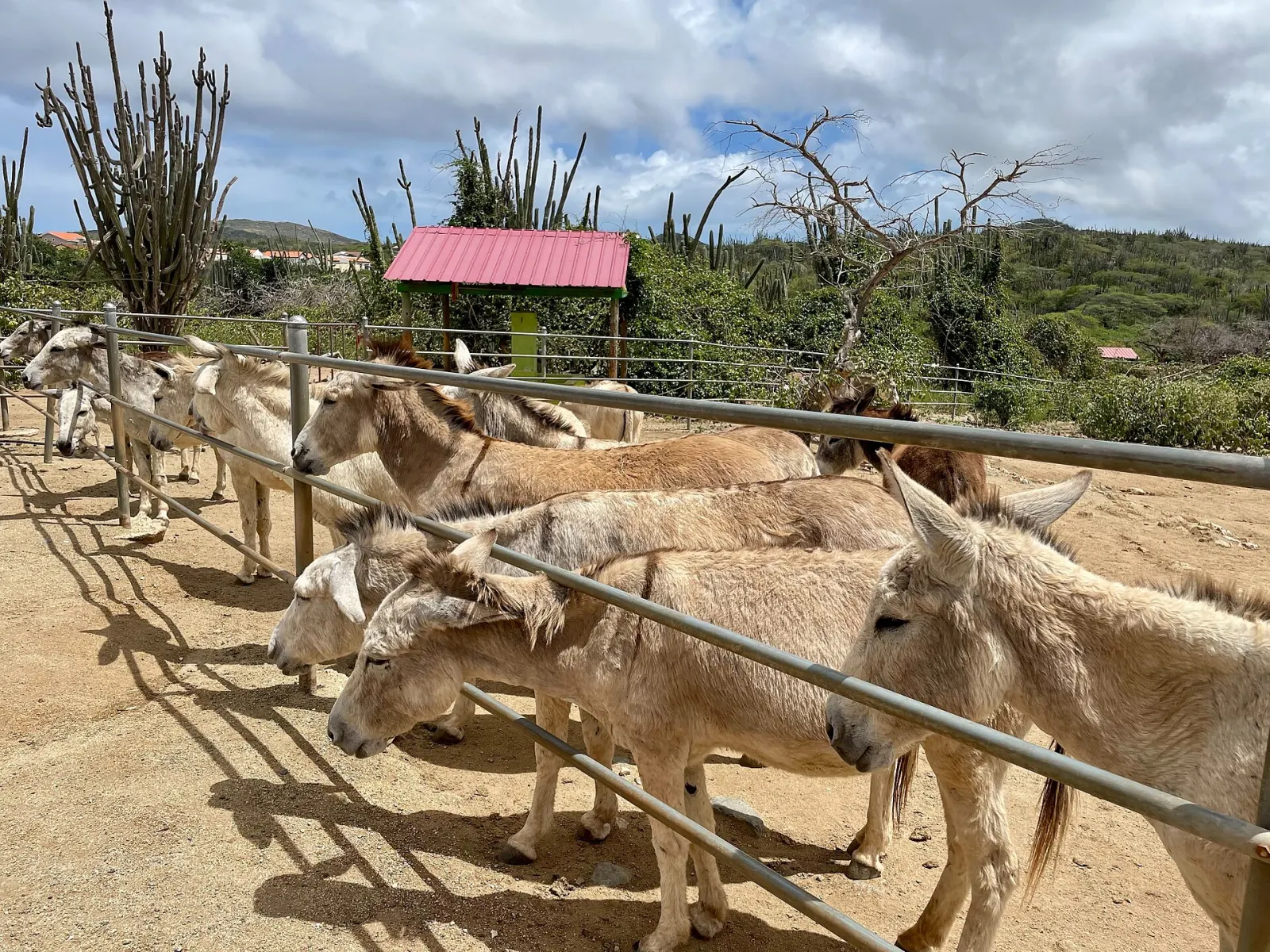
Donkey Sanctuary Aruba is a non-profit refuge in Bringamosa, in the Santa Cruz area of the island's interior, caring for more than 130 donkeys. Founded in 1997 and run entirely by volunteers, it is open every day and charges no admission, relying on donations instead. For families it is one of the most relaxed and rewarding stops on Aruba, and it is on the way to Arikok National Park.
Why does Aruba have a donkey sanctuary?
Donkeys are not native to Aruba but have lived here for about 500 years, and for most of that time they were the island's main means of transport. As cars took over, many were turned loose. According to the sanctuary, a disease in the 1970s left only about 20 wild donkeys on the island; as numbers slowly recovered, traffic grew too, and donkeys were regularly injured or killed on the roads. The sanctuary was set up in 1997 to give them a safe place: every donkey is named and receives food, water, shelter and veterinary care. After almost 20 years at Santa Lucia it moved to its larger site at Bringamosa.
What can you do at the sanctuary?
- Meet and feed the donkeys from the safety of the covered, enclosed porch. The sanctuary says they especially love apples and carrots, so you are welcome to bring some.
- Hug a donkey: for a donation you can spend 15–30 minutes cuddling one of the friendliest donkeys — an Aruban twist on the Dutch fashion for "cow hugging".
- Help with the chores: arrive early and volunteers may let you help with feeding and care, which the sanctuary recommends as an educational experience for children.
- Take a break on the porch with a coffee or cold drink from the concession stand, and browse the gift shop.
When is the best time to visit?
Morning. Opening time (9:00) is when feeding and chores happen and the heat is lower; the porch offers shade, but the paddocks do not. The sanctuary is open daily from 9:00 to 16:00, closed only on 1 January.
Good to know
- No admission fee. Donations — on site, via the website or by buying something in the shop — pay for food and vet bills.
- Feed only from the porch and follow the volunteers' instructions; donkeys are gentle but stubborn, and fingers belong outside their mouths.
- Closed shoes are better than sandals on the dusty ground.
- Pair the visit with the interior's rock formations — Casibari and Ayo — or see our guide to Aruba with kids.
Don't miss
Getting there
From the hotel areas, follow Route 4A for about 14 km through the roundabouts until you see the sign for French Men's Pass; turn left onto it, then take the first left and the second right. The sanctuary is about 200 m along that dirt road — directions as given by the sanctuary. A normal car is fine; taxis also go there.
Local tips
- Bring apples or carrots. The sanctuary invites visitors to bring them; feed only from the enclosed porch.
- Come at 9:00. Cooler, livelier and the best chance to join the morning chores.
- Leave a donation. Entry is free; the volunteer-run sanctuary depends on gifts for food and vet care.
Nearby
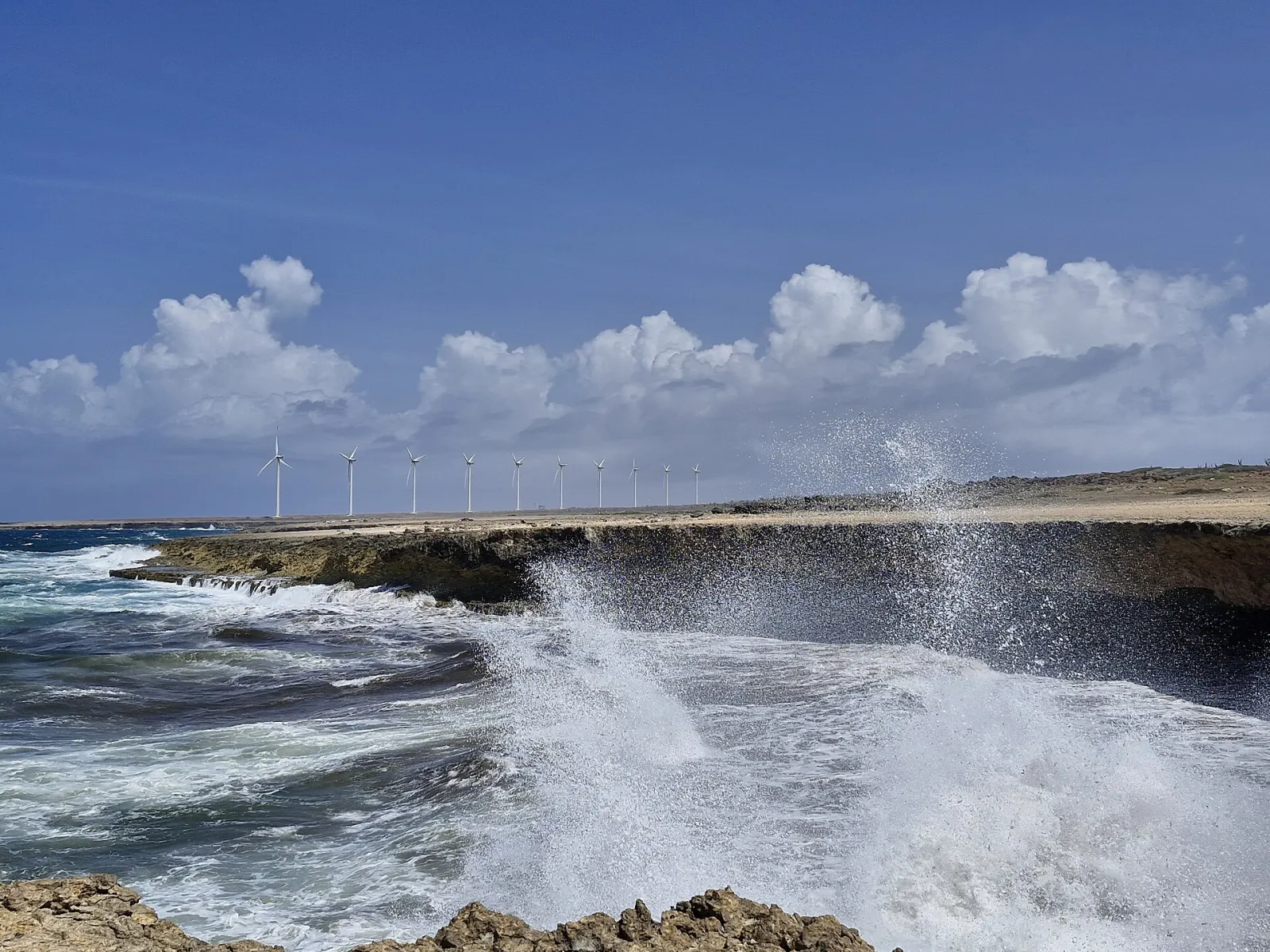
Arikok National Park
34 km² of protected desert hills, caves and wild coast in north-east Aruba. Entry needs a conservation pass: US$22 per adult in 2026, under-17s free.
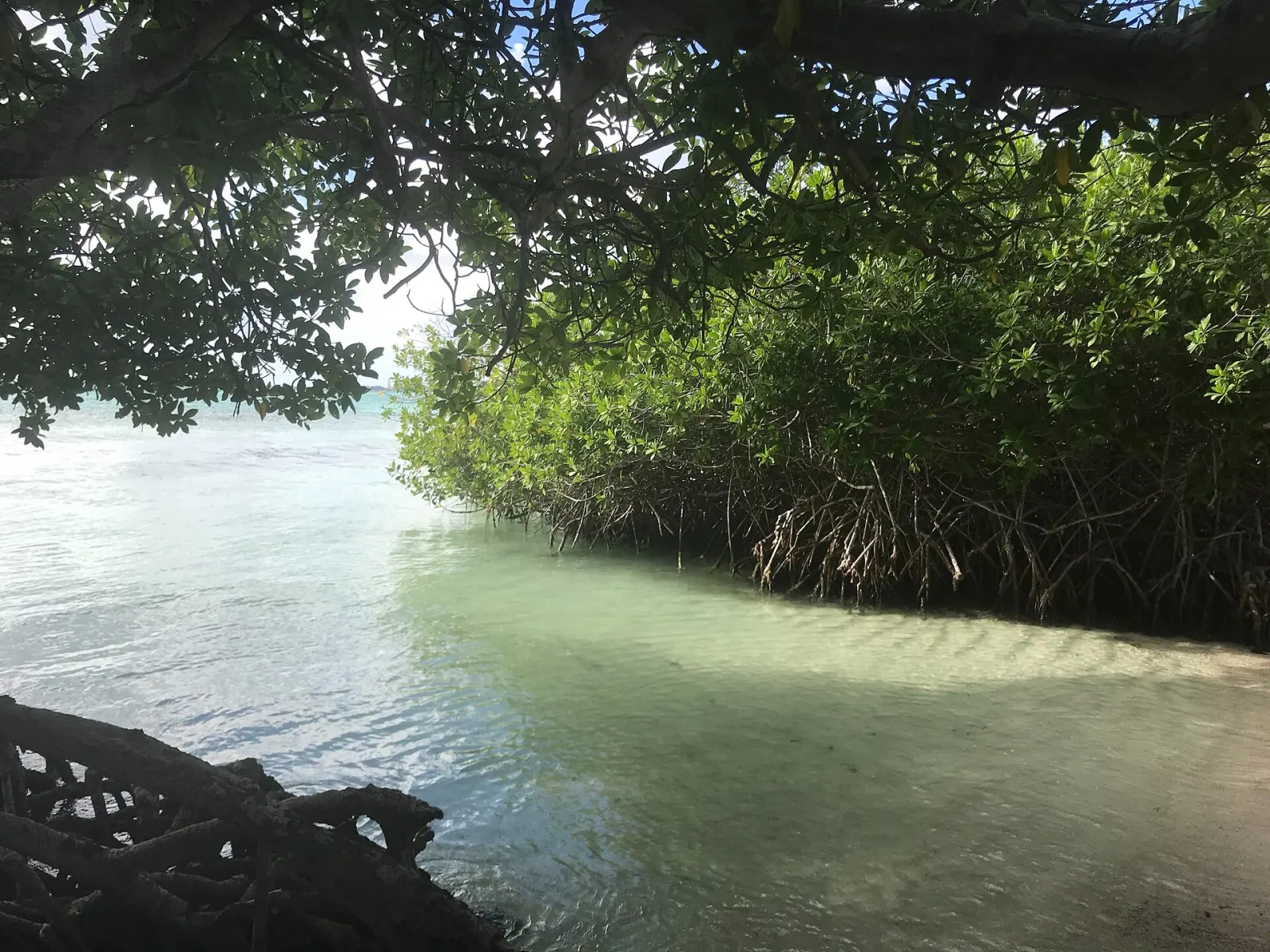
Mangel Halto
Mangrove-fringed lagoon in Savaneta, a marine reserve since 2019: calm shallows for beginners, a reef wall beyond, public huts and kayak channels.
Huchada Bakery & Lunchroom
Local bakery in a cunucu house near Santa Cruz, known for pastechi, goat soup and cashew cake; opens at 6 a.m. Monday to Saturday.
More sights
Arikok National Park
34 km² of protected desert hills, caves and wild coast in north-east Aruba. Entry needs a conservation pass: US$22 per adult in 2026, under-17s free.
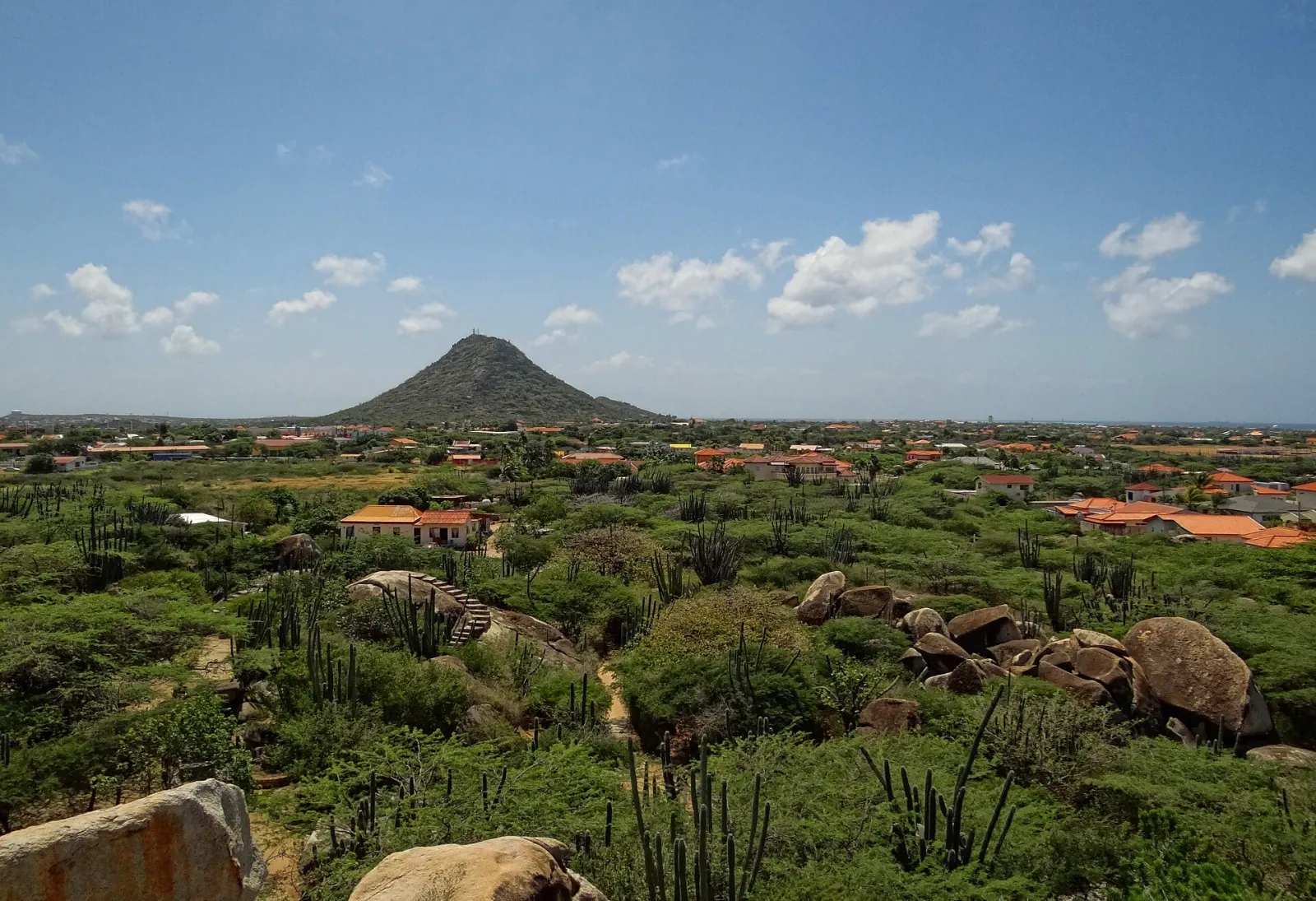
Hooiberg
Aruba's cone-shaped 165 m 'haystack' hill in the middle of the island, climbed by a stairway of roughly 600 steps to a panoramic summit.
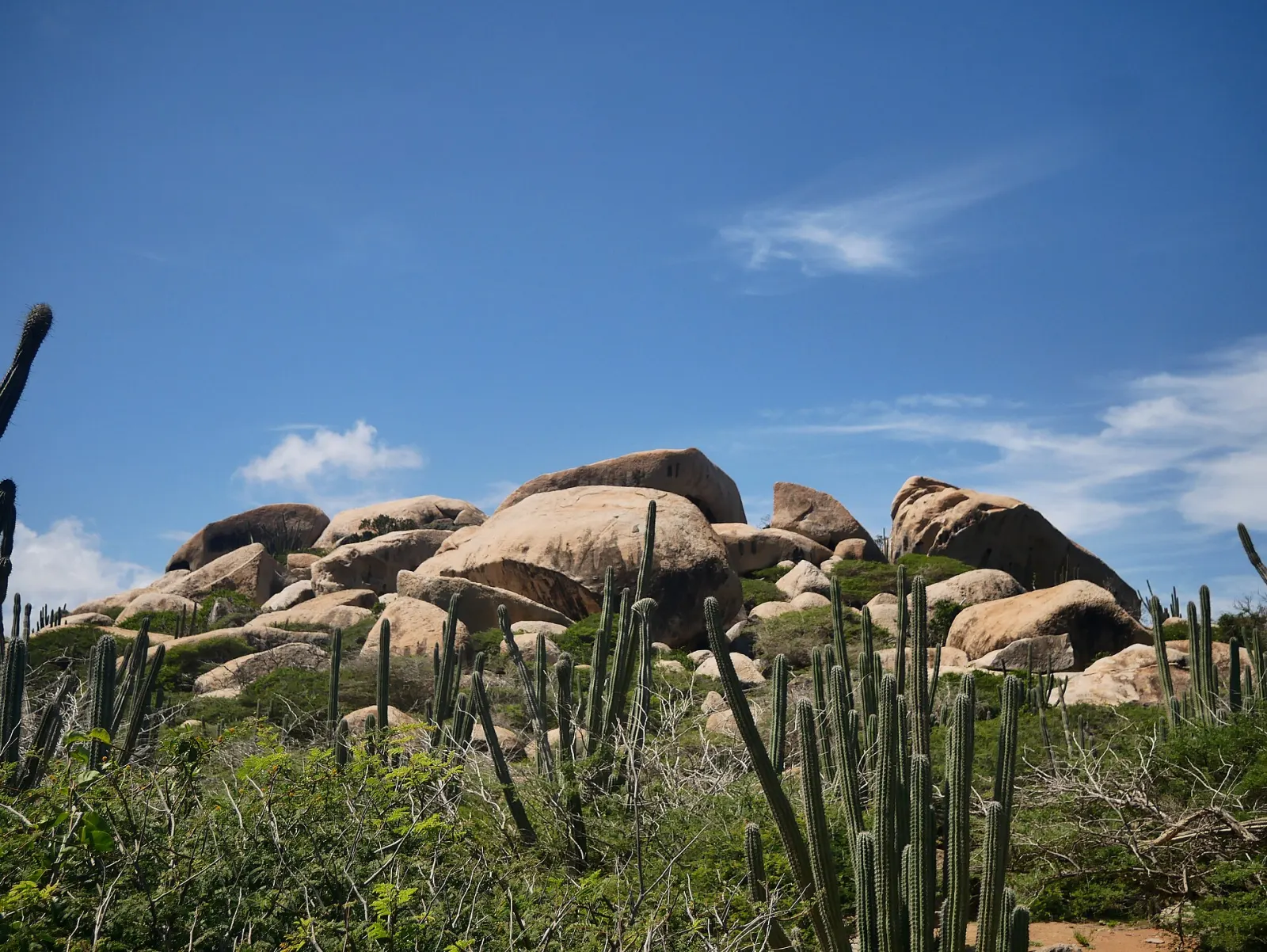
Ayo Rock Formations
Piles of giant diorite boulders near Ayo village where Aruba's Amerindian inhabitants left rock paintings — quieter than Casibari, with short walking paths.