Aruba with kids: calm beaches, easy outings and safety tips
The calmest beaches for children, family outings from donkeys to lighthouses, which sights to skip with toddlers, and the practical rules — ED card, sun, sea and tap water.
5 min read · Published 29 October 2026

Aruba works well with children because distances are short, the tap water is safe to drink and the west and south coasts have sheltered, shallow water. The island's best-known family spot is Baby Beach, a calm, shallow lagoon near San Nicolas; animal visits such as the Donkey Sanctuary and the Butterfly Farm fill a morning without long drives. The things to plan for are sun, heat, the rough north-east coast and a few sights that are not suitable for small children.
Which Aruba beaches are best for kids?
Choose the sheltered side of the island. The west and south coasts face the calmer Caribbean side, while the north and east coasts take the full force of the trade winds and swell.
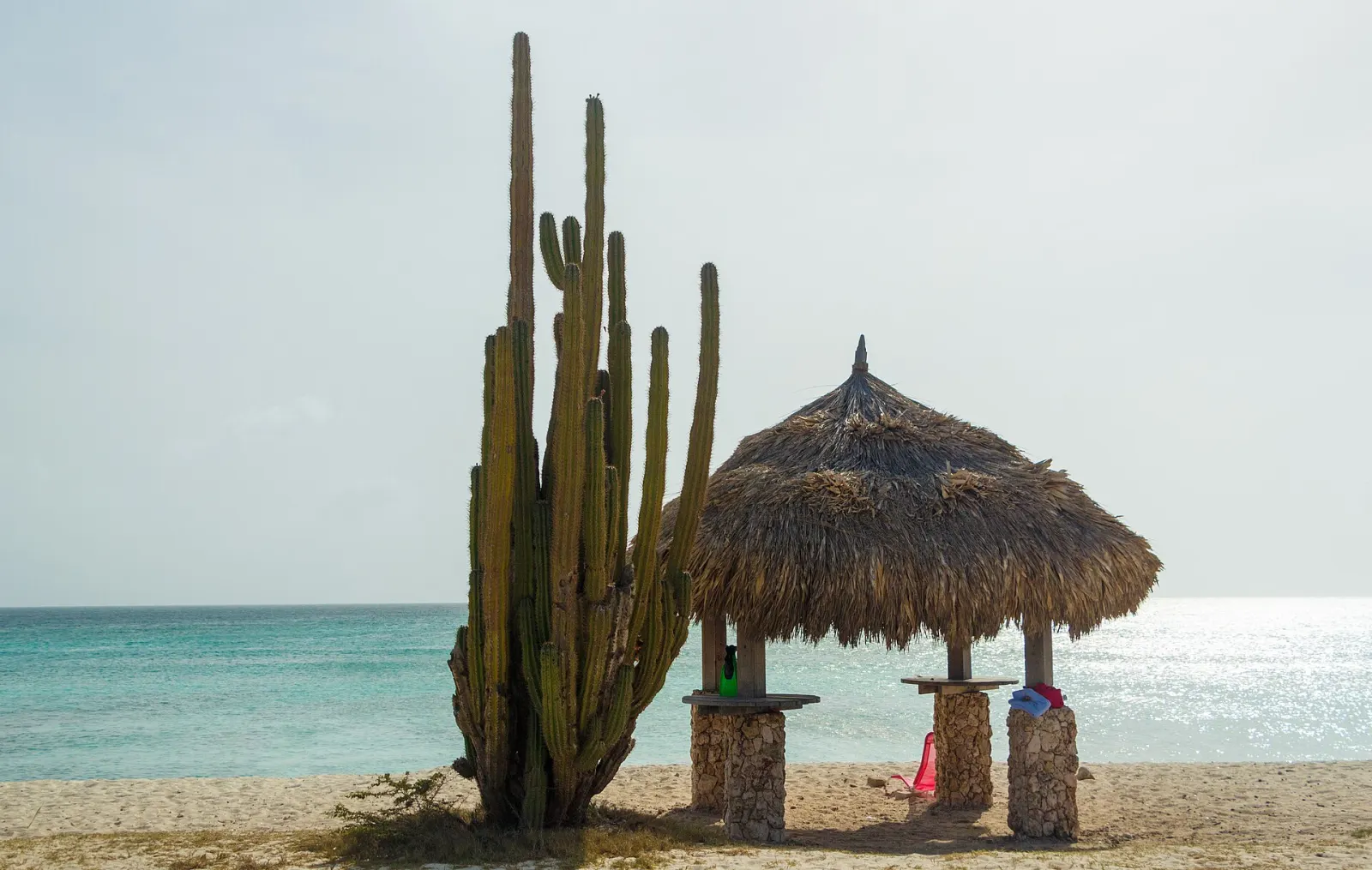
- Baby Beach is a half-moon beach in a calm lagoon at the south-eastern tip. The Aruba Tourism Authority describes the water as shallow enough to wade out a long way and still touch the bottom. Snorkelling is possible where the bay opens to the sea — stay within the marked snorkel area. There is a refreshment stand, public toilets and some free shade huts. It is about 35–45 minutes' drive from the Palm Beach hotels, so make it a half day.
- Hadicurari Beach, by the Fisherman's Huts north of Palm Beach, has very shallow, calm water that local families like — but it is also the island's busiest windsurf and kite spot, so keep small swimmers away from the launch areas.
- Eagle Beach and Palm Beach are long, sandy and close to most hotels, which makes short sessions between naps easy.
- Arashi Beach and Boca Catalina on the north-west tip are good first places for older children to try snorkelling.
Avoid swimming on the north and east coast. At Boca Prins signs strongly advise visitors not to enter the water because of strong, ever-present undertows. These coves are for looking, not swimming.
What can families do apart from the beach?
- Donkey Sanctuary (Bringamosa, Santa Cruz): a non-profit refuge for the island's donkeys. Entry is free and donations are welcome; the Aruba Tourism Authority lists opening hours of 9:00–16:00 daily. It is about 15 minutes' drive from Palm Beach.
- Butterfly Farm (Palm Beach & Noord area): a walk-through butterfly garden with guided tours, an easy hour close to the hotels. Check the farm's own website for current hours and ticket conditions before you go.
- California Lighthouse: completed in 1916, 30 m tall and the tallest structure on Aruba. It is named after the British steamship California, which sank offshore in 1891 — a good story for children. Combine it with Alto Vista Chapel and an afternoon at Arashi.
- Rock formations: at Casibari and Ayo children can scramble along short paths between giant boulders. Go early, before the rocks heat up.
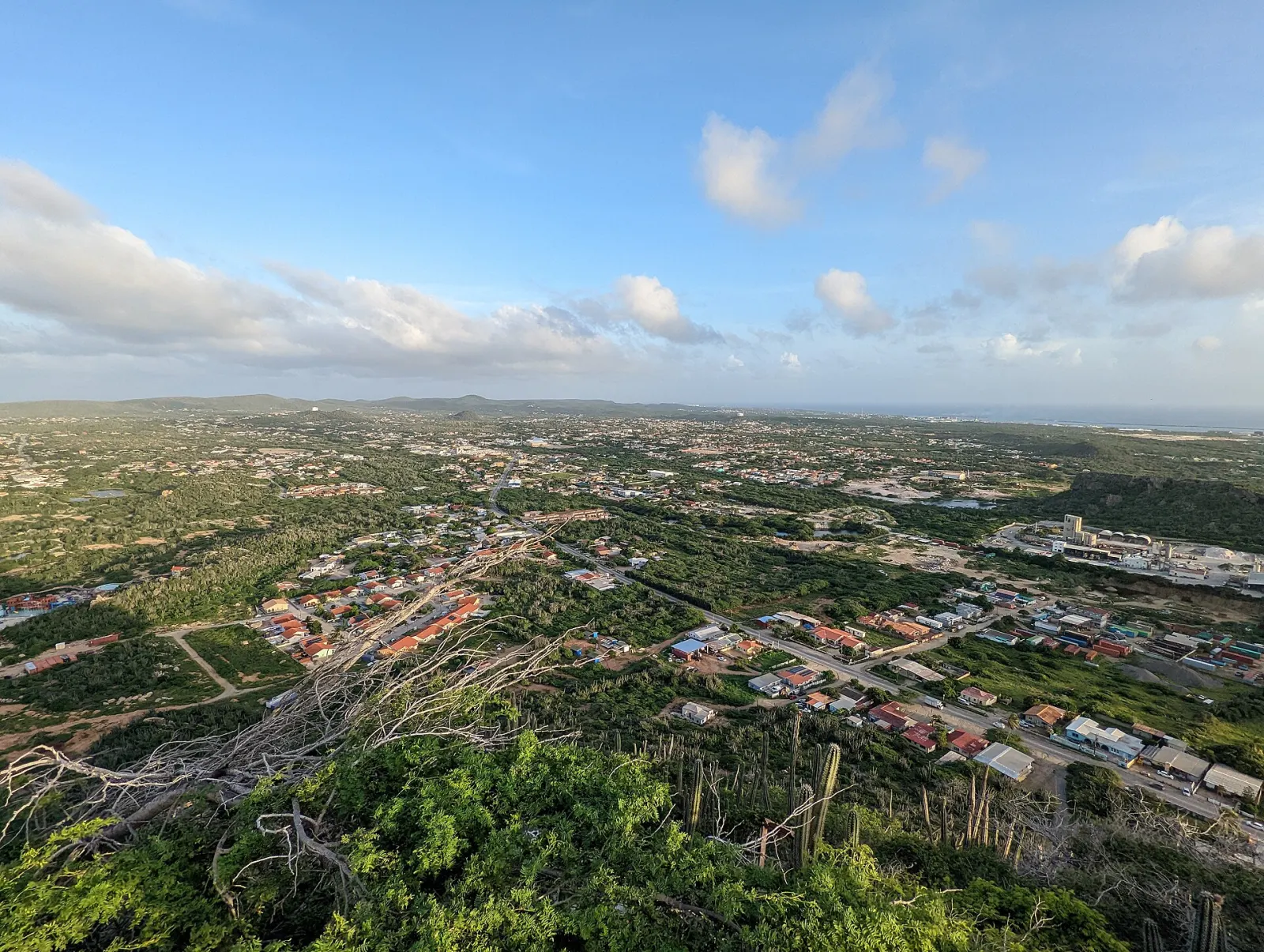
- Hooiberg for older children: a 165 m hill in the middle of the island with a concrete staircase of roughly 587 steps. There is no shade on the way up.
- Fort Zoutman in Oranjestad: the oldest structure on the island (completed in 1798), now home to the historical museum. Pair it with the free downtown streetcar.
Is Arikok National Park suitable for children?
Parts of it are. A conservation pass is required to enter, and it is sold at the Visitor Center in San Fuego (open daily 8:00–15:30). The paved road, the cave areas and short walks work well for families, especially early in the morning. The Natural Pool is a different matter: it is reached only by 4×4, on horseback or on a 3–4 hour round-trip hike; the site has steep natural stone steps and uneven, rocky paths; and waves can occasionally crash over the rocks. The official tourism site does not recommend it for guests with limited mobility, and it is not a sensible outing for toddlers. Park rules also matter for children: stay on park roads, do not stack rocks and never collect plants or animals.
How do you protect children from the sun and heat?
Aruba lies at about 12.5° north and average daily maximums stay between 30 °C and 33 °C all year. The constant breeze makes it feel cooler than it is, which is why sunburn catches people out.
- Plan beach time for the morning and late afternoon, and use the middle of the day for a pool, lunch or a nap.
- Pack hats, UV swim shirts and plenty of sunscreen; on public beaches shade is limited, so a beach umbrella or a palapa matters.
- Tap water is safe. WEB Aruba, the water utility, states that its tap water complies with WHO guidelines and needs no further treatment — refill bottles instead of buying them.
- Watch out for manchineel trees. Warning signs in Arikok mark this tree, whose leaves, bark and fruit contain a caustic sap; never shelter under it in the rain.
Can children see sea turtles?
Possibly, with care. Sea turtles nest from March to September and hatchlings emerge from May to November. If you find a nest or a nesting turtle, keep all lights off — including torches and flash photography — watch from a distance and let hatchlings reach the water on their own. Sightings or problems can be reported to Turtugaruba on +297 592 9393.
Practical tips for travelling with kids
- ED card for everyone: the online ED card is mandatory for every passenger, including infants and children. Fill it in on the official portal edcardaruba.aw within the 7 days before travel. The US$ 20 Sustainability Fee for air arrivals does not apply to children under eight.
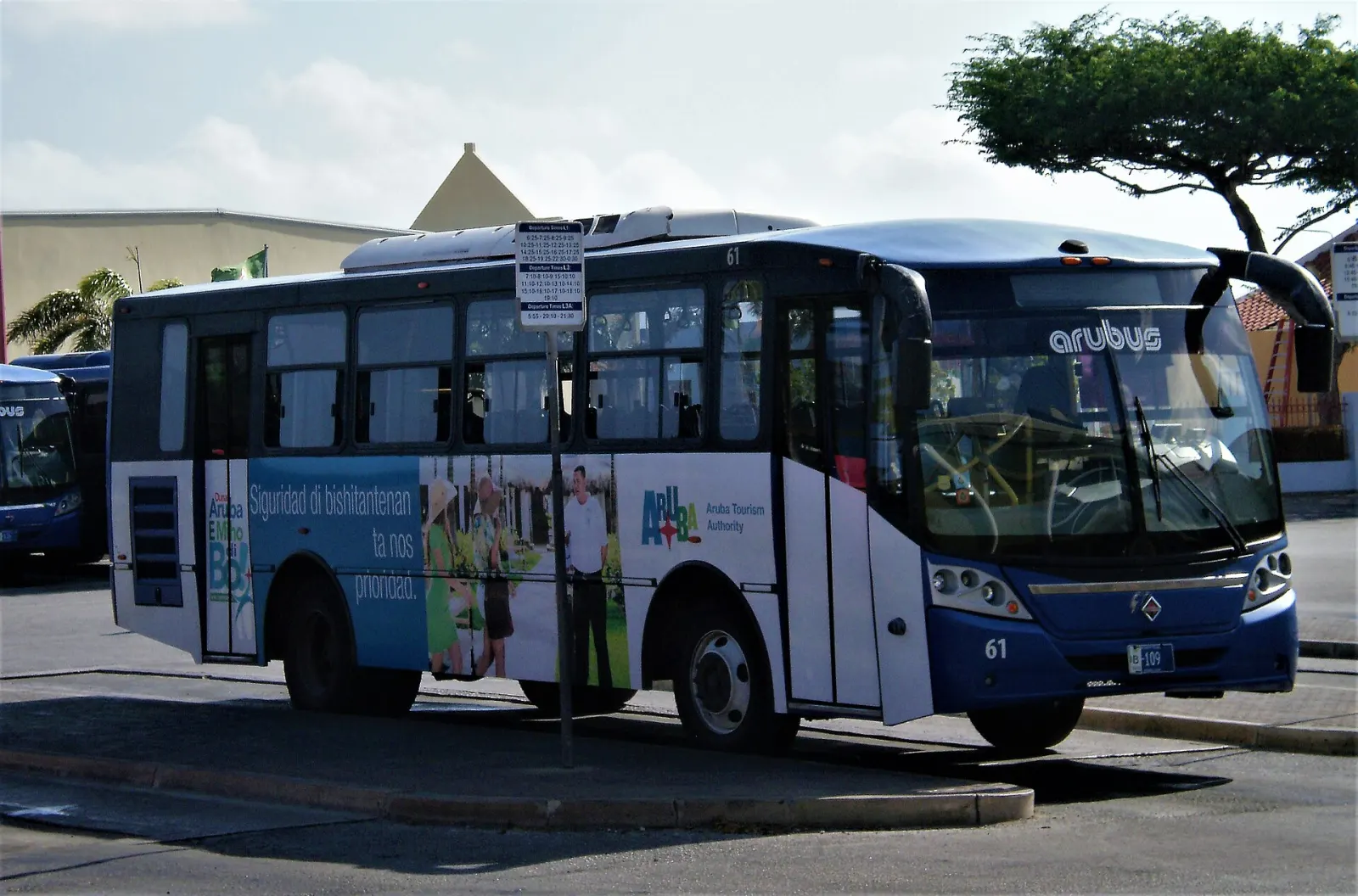
- Getting around: a rental car gives the most flexibility; ask the rental company about child seats when you book. Taxis have fixed fares, and children under two are not counted as passengers. Arubus buses do not take luggage, only carry-on items.
- Flying home to the US: you pass US immigration and customs in Aruba before boarding (preclearance), and airlines such as JetBlue recommend arriving 3 hours before departure — plan snacks and entertainment for the wait.
- Emergencies: call 911 for an ambulance or the fire service, and 100 for the police.
Ready to plan? Our 5-day first-time itinerary is easy to adapt for a family, and getting around Aruba has the driving times.