
Fontein Cave
A limestone cave in Arikok National Park with Amerindian drawings on its ceiling, gated to protect them; enter with park staff during park hours.
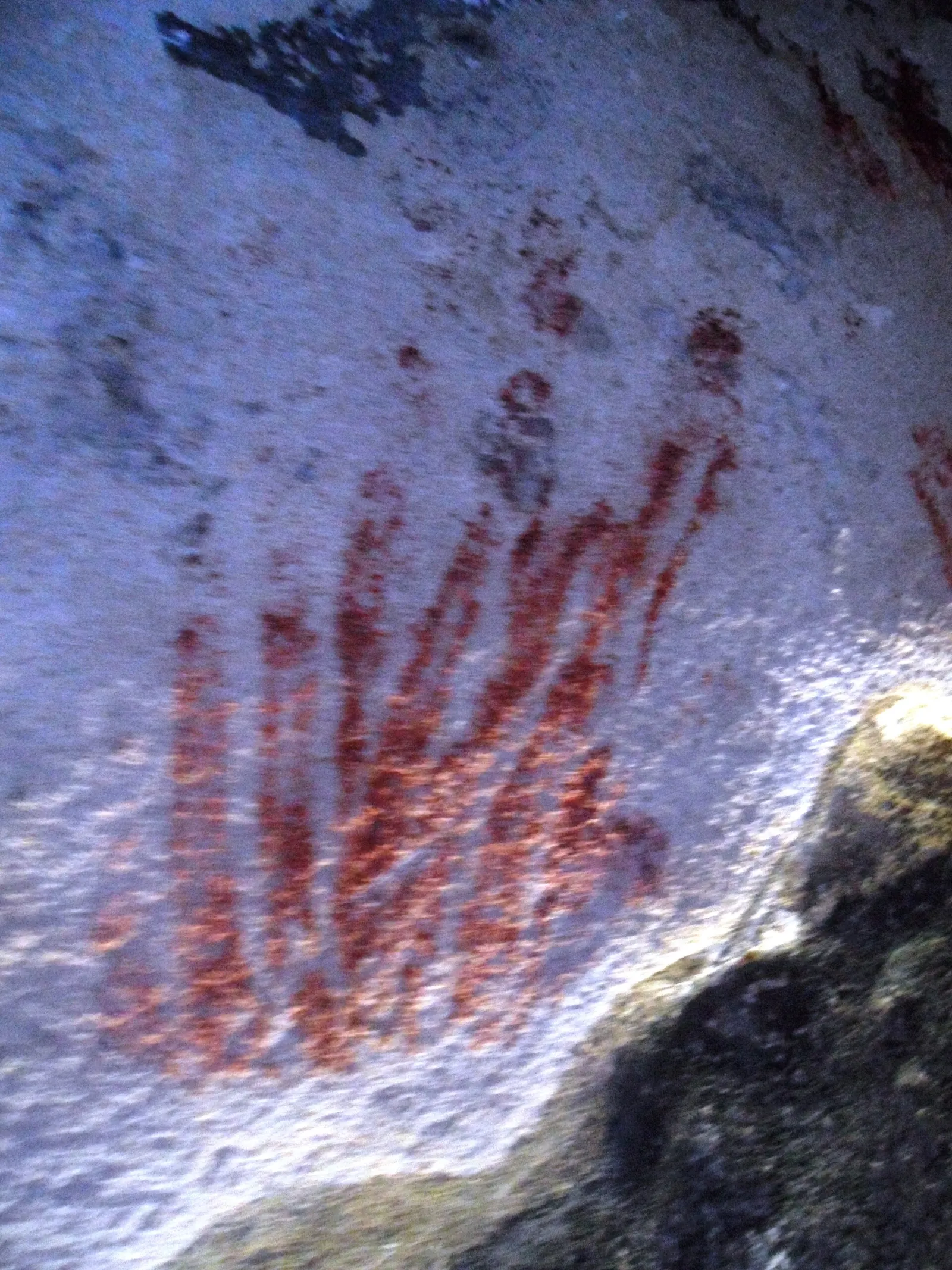
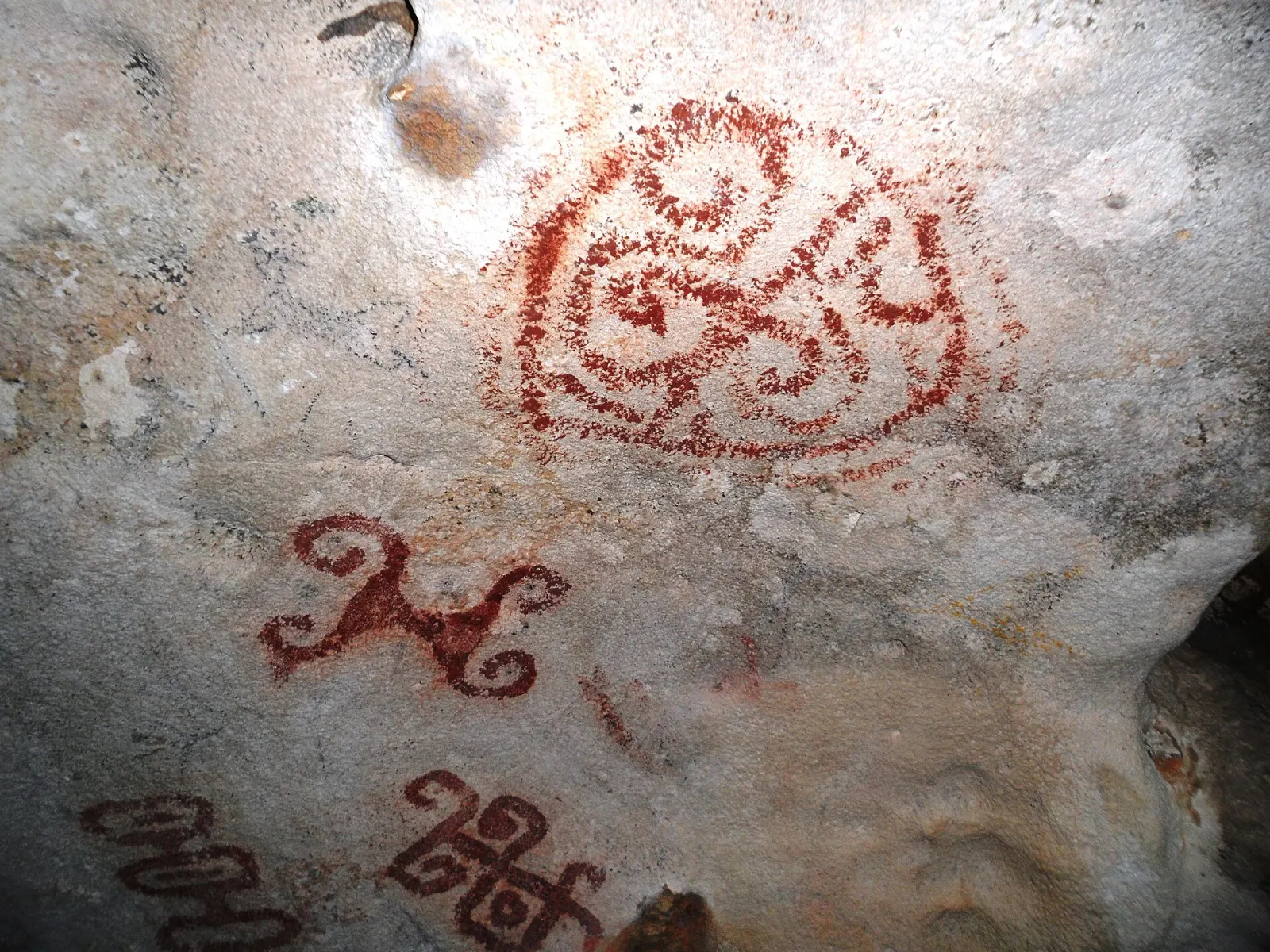
Fontein Cave is a limestone cave on the east side of Arikok National Park, close to Boca Prins, and the most important rock-art site among Aruba's caves: its ceiling carries drawings made by the island's Amerindian inhabitants. Because the drawings were later joined by scratched names from European settlers and modern graffiti, the cave has been gated and locked; visitors enter with park staff. Allow time for it if you care about Aruba's pre-colonial history.
What will you see inside Fontein Cave?
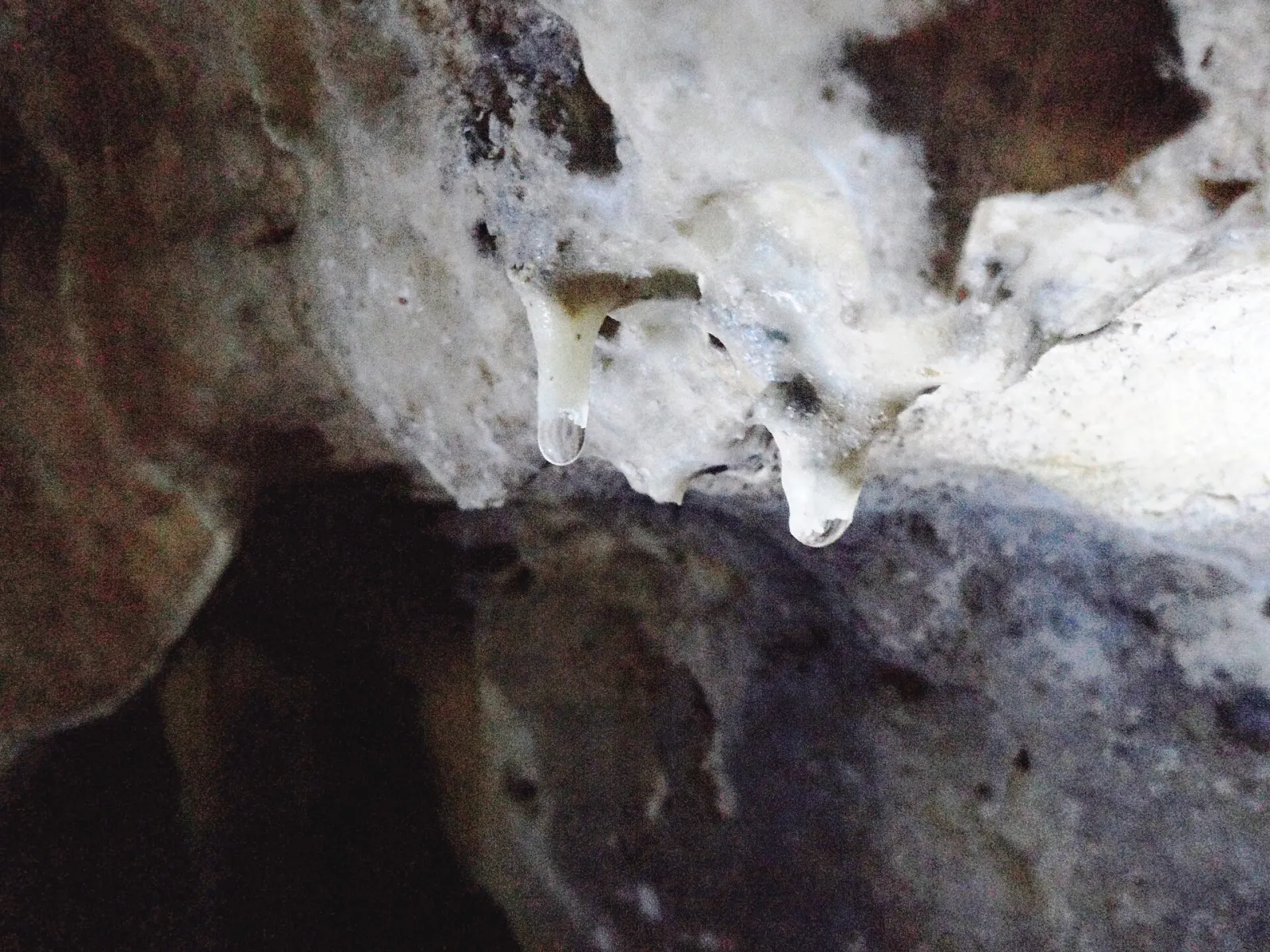
The Aruba Tourism Authority (ATA) describes a cave of about 95 m with stalactites and stalagmites, walls tinted yellow to green by algae, and — its main attraction — Amerindian drawings on the ceiling, which make it the only one of the island's show caves with this kind of art. The figures are geometric and animal-like shapes in reddish pigment. Bats live in the darker parts, and the air is hot and humid.
Why is the cave gated, and how do you get in?
Over the decades the original paintings were joined by inscriptions from early European settlers and by contemporary graffiti. To stop further damage, the cave has been fitted with a gate and lock and is opened for visitors accompanied by park staff (Wikipedia, Arikok National Park). ATA's advice is simply to ask the park rangers at the cave entrance; they open it during the park's hours and explain the drawings.
How should you behave around the rock art?
- Never touch the drawings or the cave walls near them — skin oils and sunscreen accelerate the loss of the pigment.
- No flash close to the paintings and no lights held against the rock.
- Do not add anything: scratching initials is exactly what forced the gate.
- Keep voices low for the bats roosting inside, and watch your head on low ceilings.
What else is at Fontein?
The name means "fountain": the area has a natural freshwater spring fed by rainwater seeping through the limestone. In the 20th century the old Fontein plantation was rented to Chinese gardeners who grew vegetables here; the last one worked the land until 1993. The dunes of Boca Prins are a few minutes away, and Quadirikiri Cave lies a short drive south-east.
Practical information
- Entry: included in the Arikok conservation pass — US$22 per adult, under-17s free in 2026.
- Hours: within park opening times; ACF lists San Fuego 8:00–15:30 and the Vader Piet entrance until 15:00.
- Access: paved park roads by car; the Vader Piet entrance is the closest.
For guided walks in the park, see hiking in Arikok.
Don't miss
Getting there
Fontein lies on the east side of Arikok National Park, near Boca Prins. The closest entry is the Vader Piet entrance on the east coast; from the San Fuego Visitor Center follow the park roads east. The approach is paved and fine for a normal car; park at the cave and check in with the ranger.
Local tips
- Ask the ranger at the gate. The cave is locked to protect the drawings; rangers open it during park hours and explain what you are seeing.
- Arrive before mid-afternoon. The Vader Piet entrance closes at 15:00 per ACF; plan the caves for the morning.
- Hands off the rock. Don't touch the drawings or nearby walls, and skip the flash. Scratched graffiti is why the cave is gated.
Things to do here
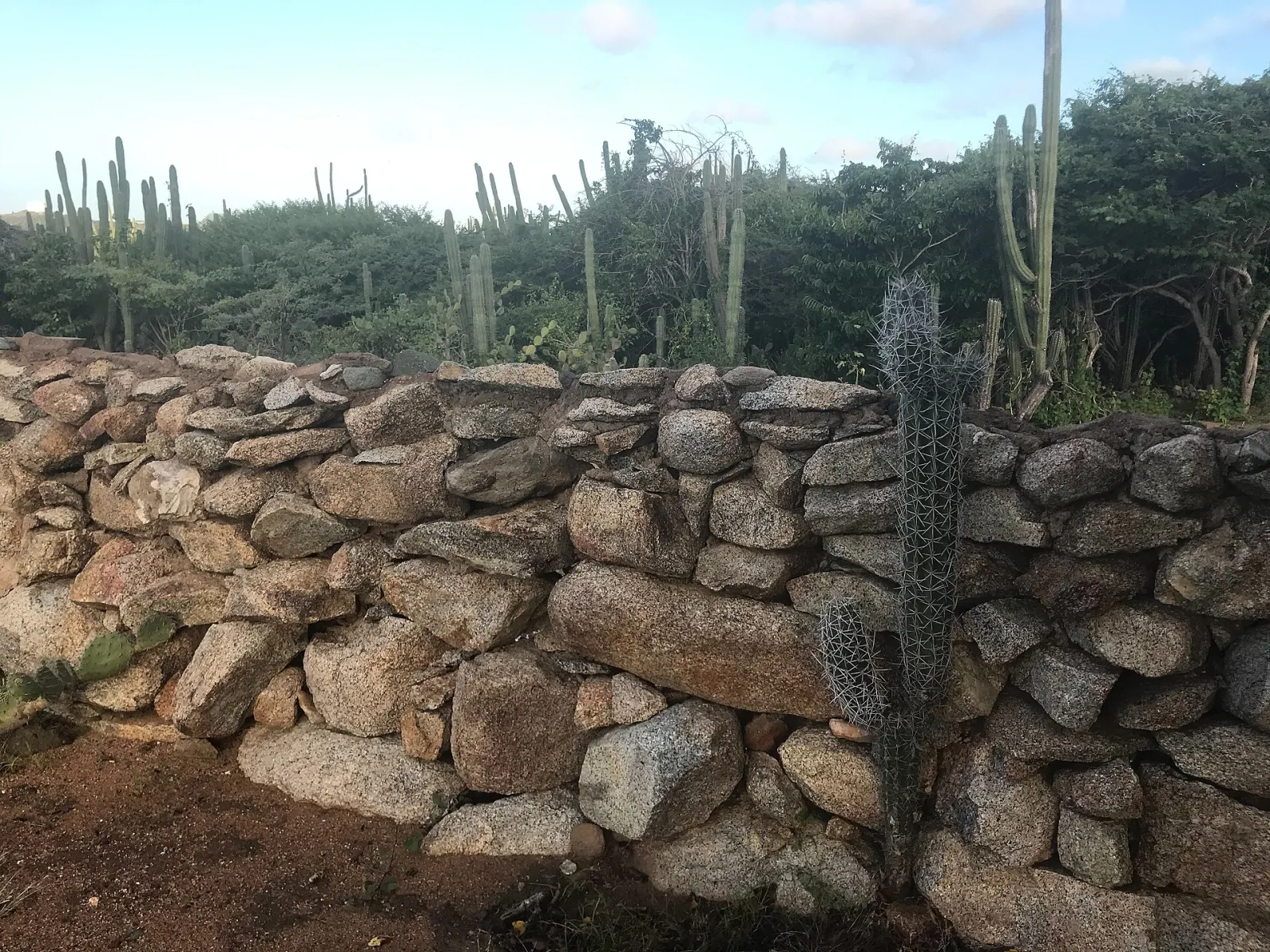
Hiking in Arikok
Trails through Arikok National Park, from the easy Cunucu Arikok loop to Jamanota, Aruba's 188 m high point, with ranger-led hikes, the park pass and heat advice.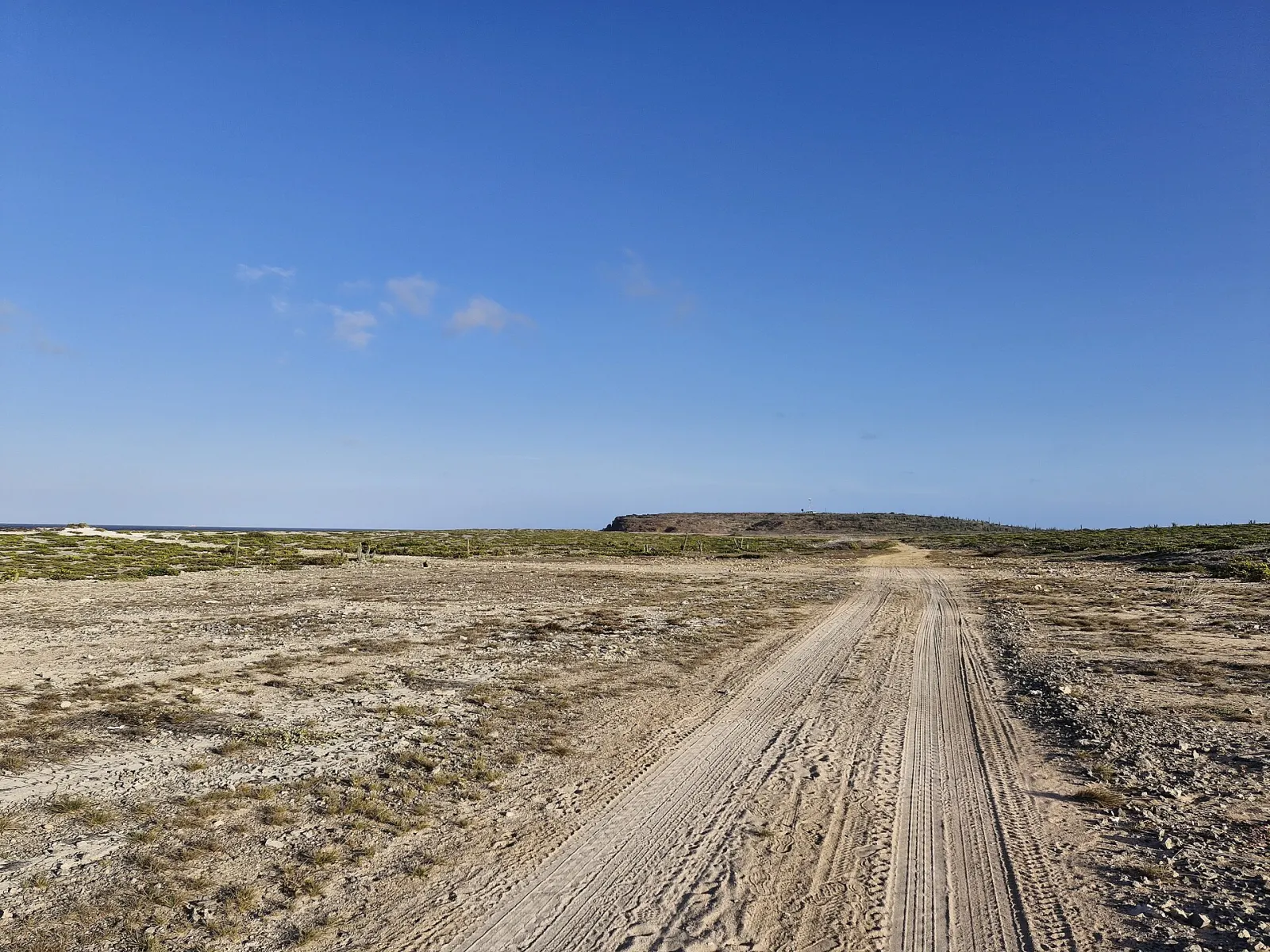
Jeep & UTV tours
Exploring Aruba's rugged north and east coasts by 4×4: where jeeps may drive, why ATVs and UTVs are banned from protected nature areas, and the Arikok park rules.Nearby
Boca Prins
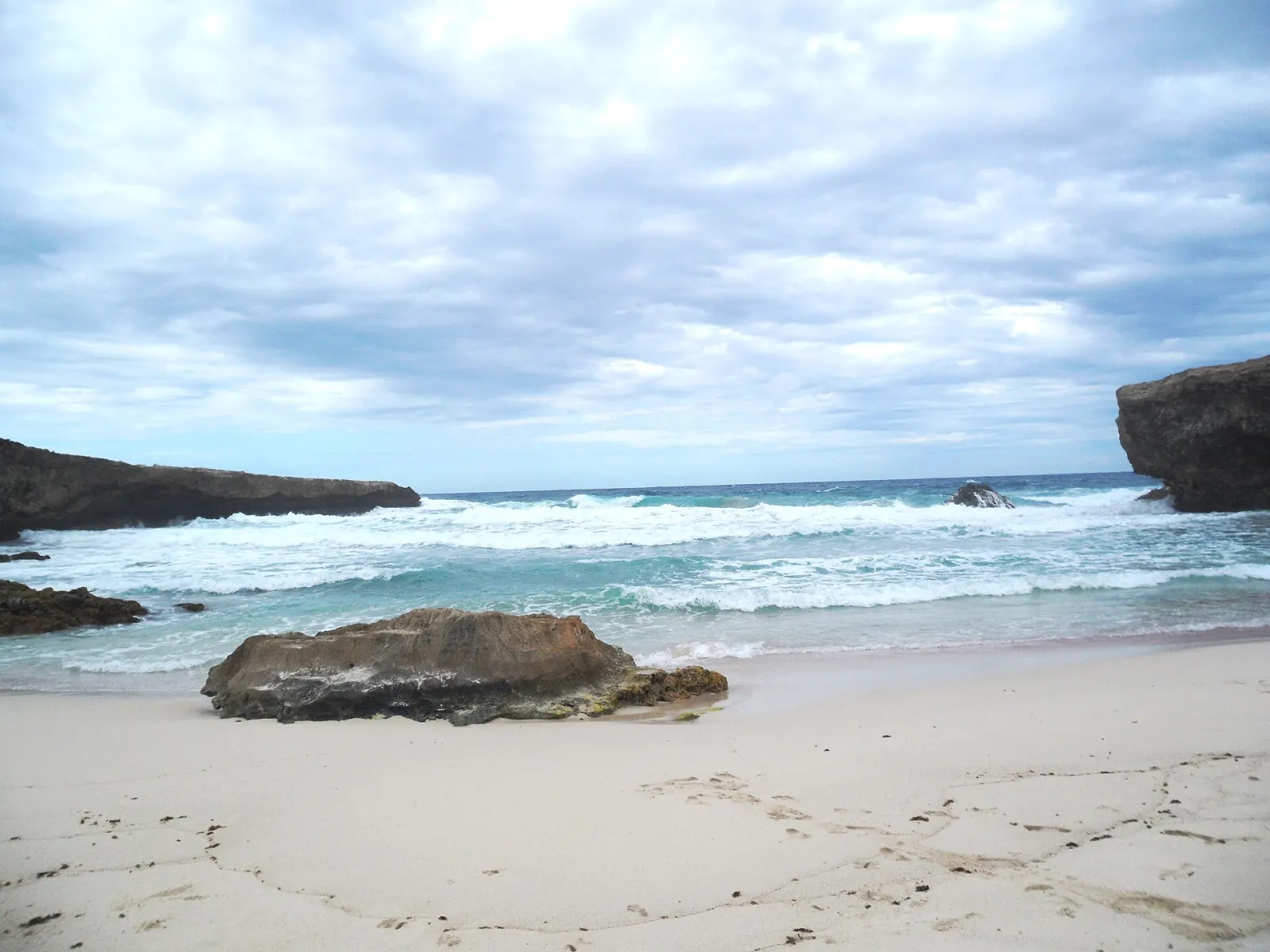
Dune-backed cove on Arikok's wild north-east coast. Strong, constant undertow: no swimming. Park conservation pass required to enter.
Quadirikiri Cave
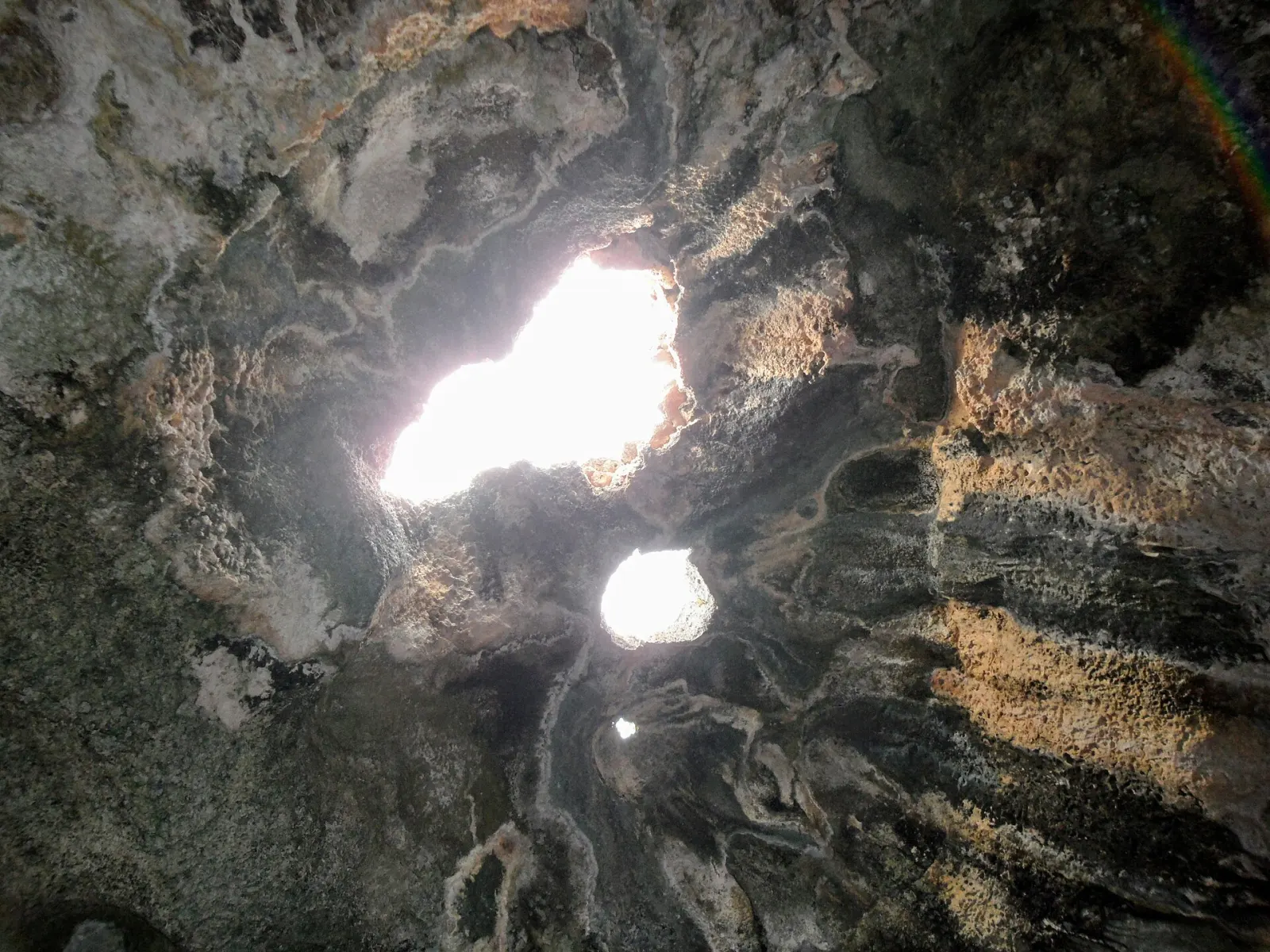
Arikok's best-known cave: limestone chambers lit by sunbeams through holes in the roof, home to a large, harmless bat colony.
Natural Pool (Conchi)
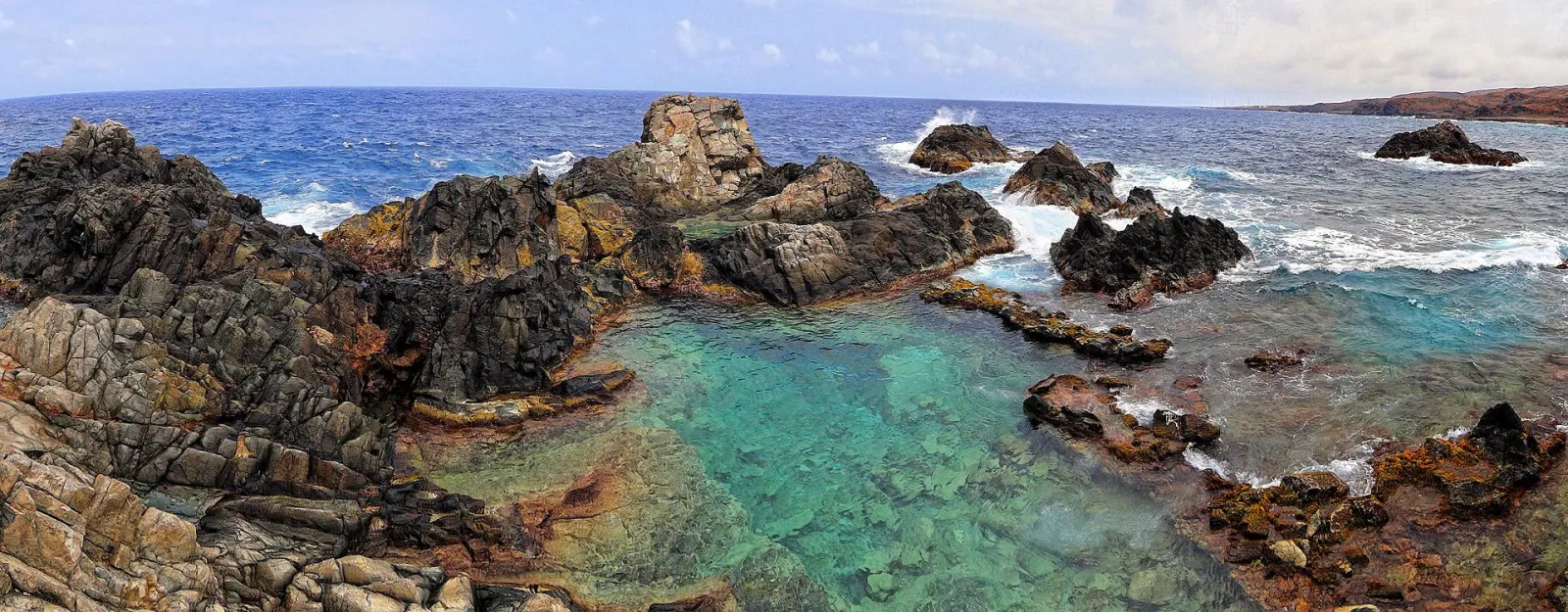
A sea pool ringed by pillow lava on Arikok's north coast. No ordinary cars: reach it by 4×4, on horseback or on a 3–4 hour return hike.
More sights
Quadirikiri Cave
Arikok's best-known cave: limestone chambers lit by sunbeams through holes in the roof, home to a large, harmless bat colony.
Natural Pool (Conchi)
A sea pool ringed by pillow lava on Arikok's north coast. No ordinary cars: reach it by 4×4, on horseback or on a 3–4 hour return hike.
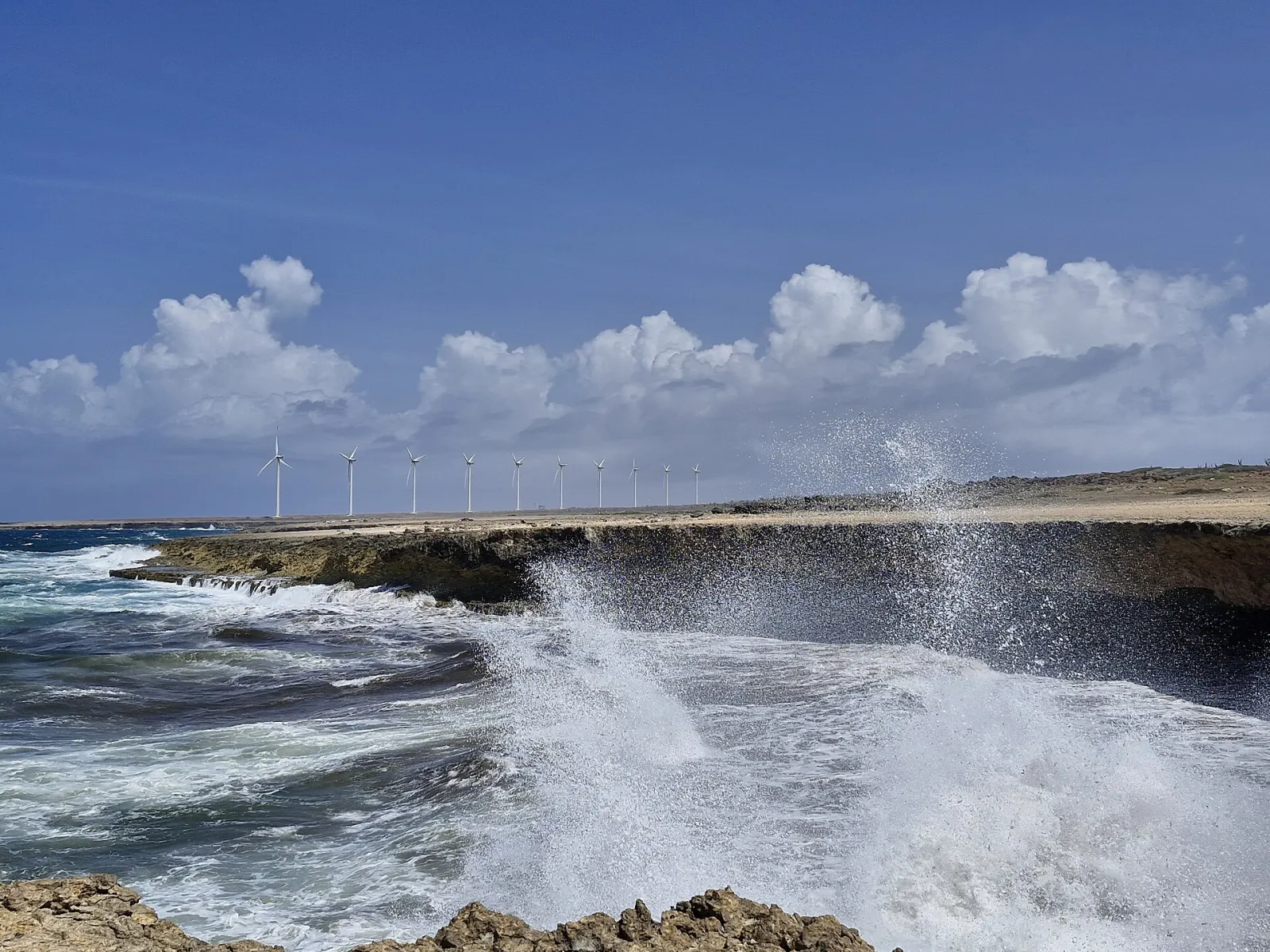
Arikok National Park
34 km² of protected desert hills, caves and wild coast in north-east Aruba. Entry needs a conservation pass: US$22 per adult in 2026, under-17s free.