
Natural Pool (Conchi)
A sea pool ringed by pillow lava on Arikok's north coast. No ordinary cars: reach it by 4×4, on horseback or on a 3–4 hour return hike.
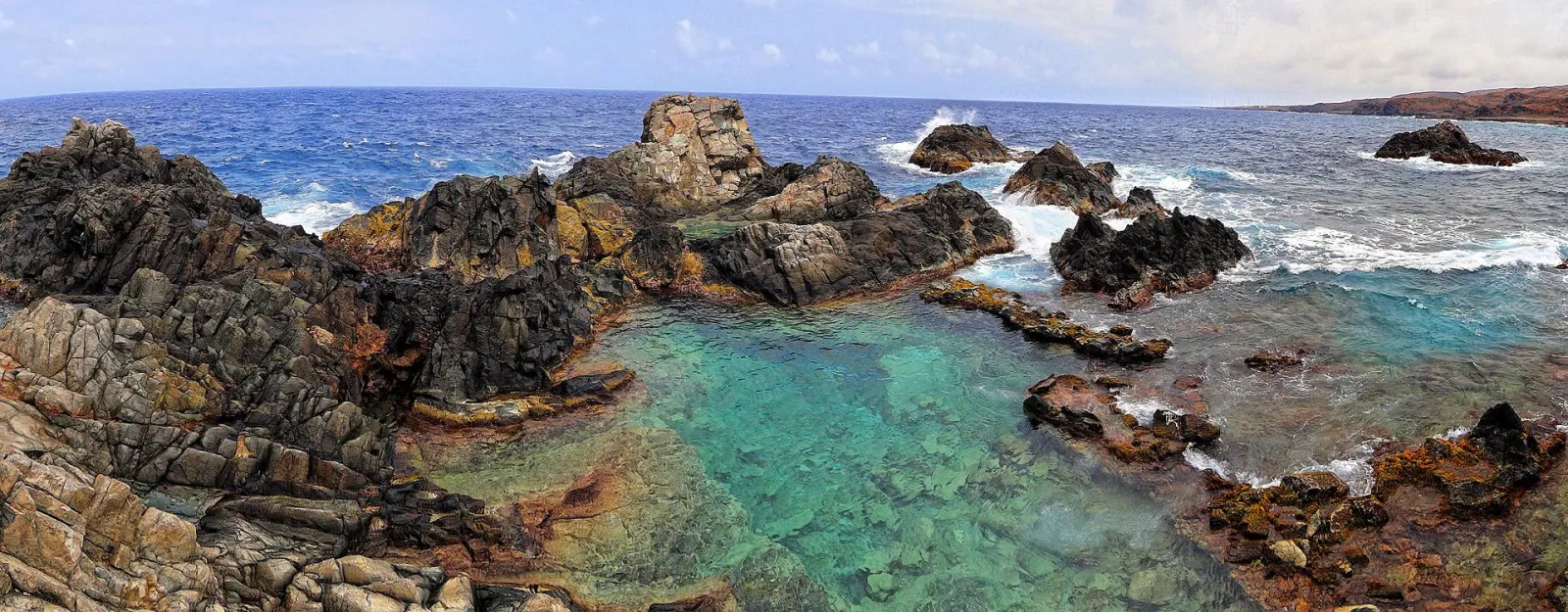
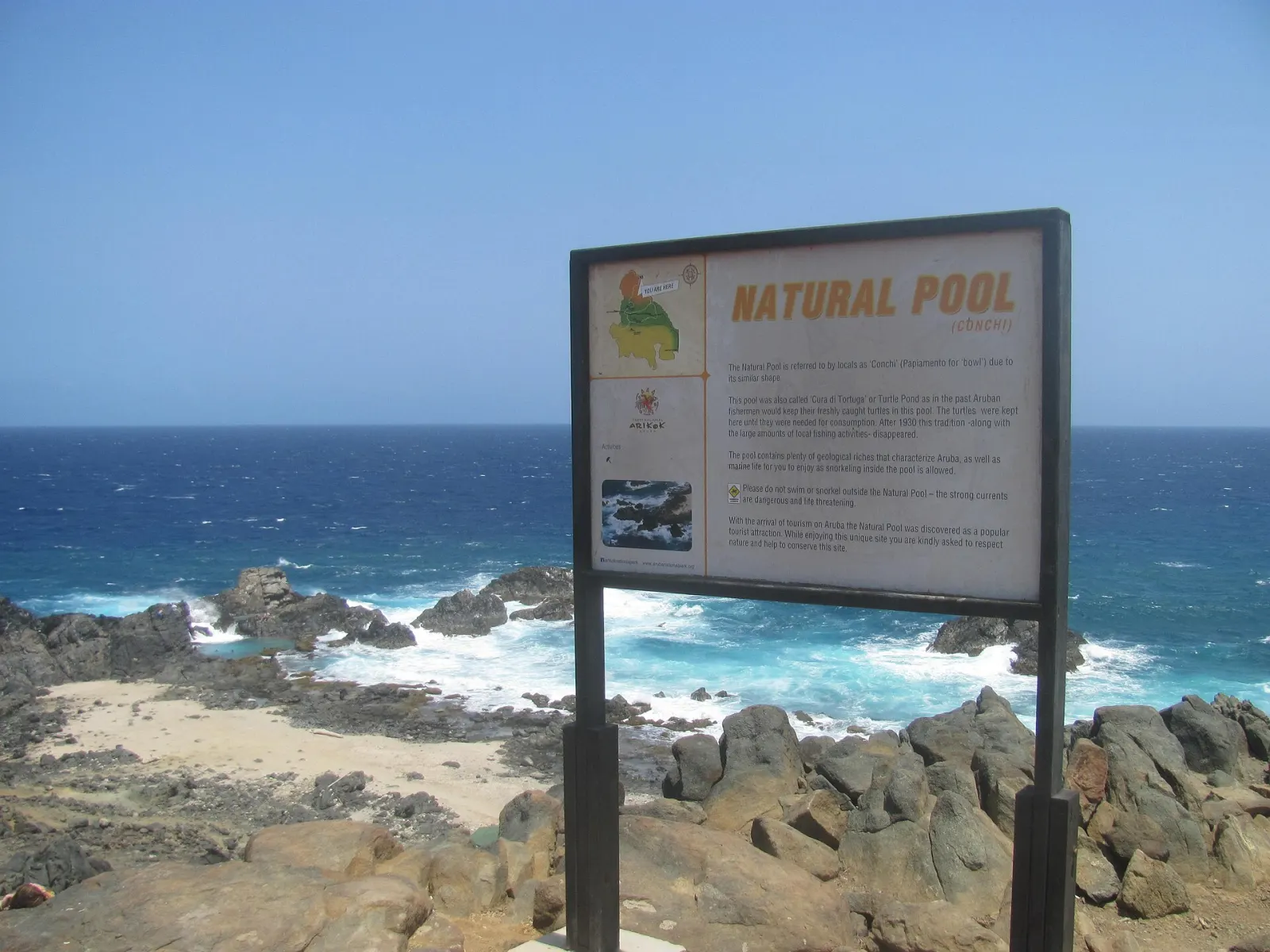
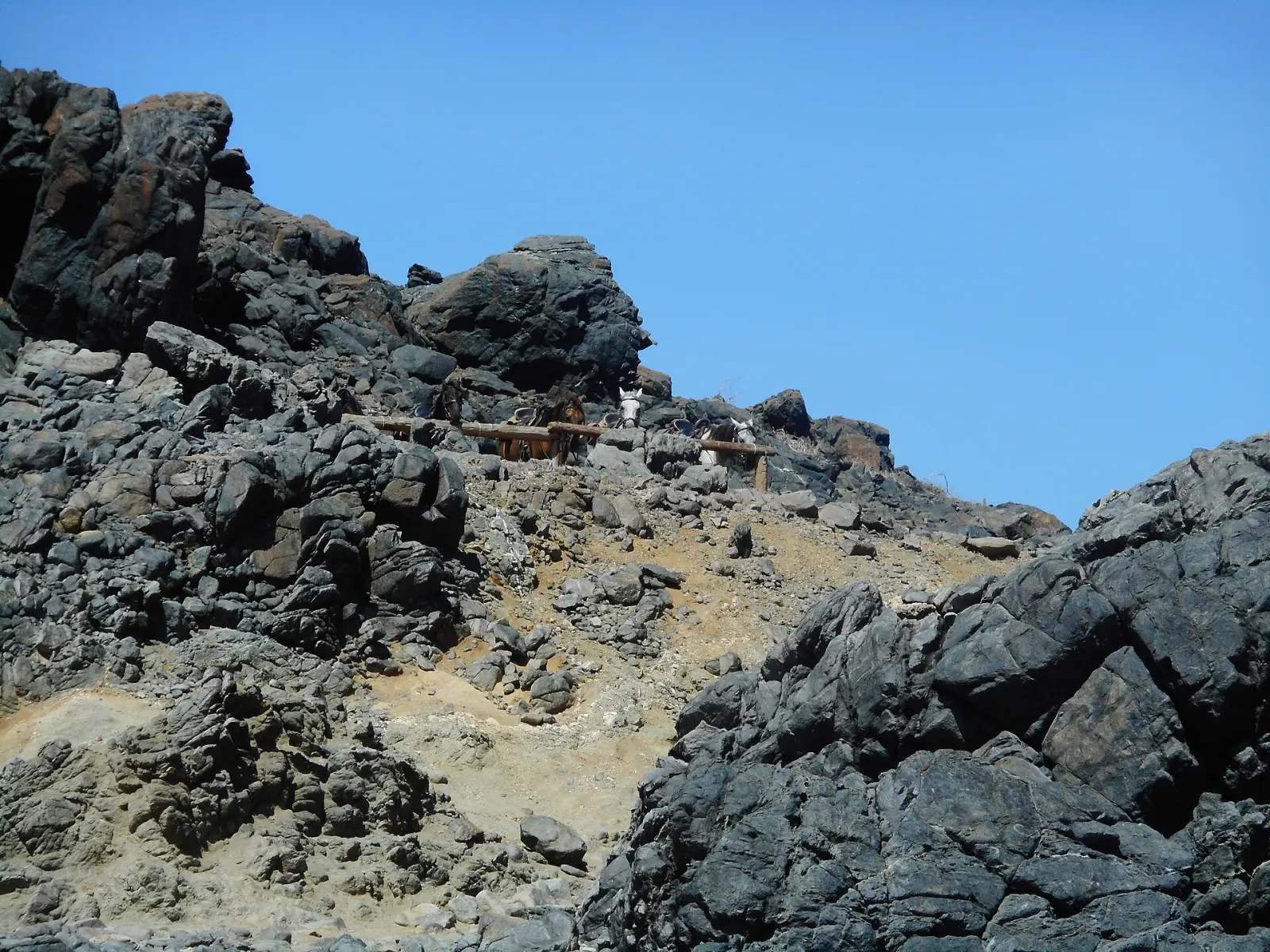
The Natural Pool — locally Conchi ("bowl") or Cura di Tortuga ("turtle pen") — is a saltwater pool enclosed by dark pillow-lava rocks on the rugged north coast of Arikok National Park. Waves from the open sea break over the rim and refill it, which is both the spectacle and the risk. It is Aruba's most visited natural site that cannot be reached by an ordinary car.
How do you get to the Natural Pool?
There are three ways in, all through the national park:
- By 4×4. The Aruba Tourism Authority (ATA) states that standard passenger cars are not permitted beyond the park checkpoints towards Conchi; the last stretch is rough, rocky and steep. Drivers without off-road experience are better off on a guided 4×4 trip (see jeep tours).
- On horseback, with riding excursions that enter the park.
- On foot. ATA describes it as a 3–4 hour return hike for experienced hikers — exposed, hot and on loose rock. Start at opening time and carry plenty of water.
Note that the Aruba Conservation Foundation (ACF) prohibits ATVs, UTVs and motorbikes in protected nature areas, so quad and side-by-side tours are not a legal way to get here. Everyone, however they arrive, needs the park's conservation pass (US$22 per adult in 2026, under-17s free).
Is it safe to swim at Conchi?
Only when the sea is calm. Inside the rim the water is sheltered, but on swell days waves crash over the rocks without warning and conditions change quickly. ATA's advice is to swim only in calm conditions, follow ranger advisories and posted warnings, and wear water shoes on the sharp rock. If waves are already washing into the pool when you arrive, stay on the rocks and enjoy the show from a safe distance. The surrounding north coast has strong currents and is not for swimming at all.
What else should you know before you go?
- Stairs and terrain. The pool lies below a set of natural stone steps; ATA lists it as not wheelchair accessible and not suitable for guests with limited mobility.
- Facilities are minimal. A small snack-and-drinks stand is often open at the top of the steps — don't count on it.
- Snorkelling is possible on calm days; you will see small reef fish in the basin.
- Timing. Mornings are cooler and the light is better before midday; tours bunch up later.
Combine the pool with the Fontein Cave and Quadirikiri Cave on the park's east side, or with the dunes of Boca Prins.
Don't miss
Getting there
Enter Arikok National Park at the San Fuego Visitor Center (Santa Cruz), buy the conservation pass and follow the park roads north-east towards Conchi. Beyond the checkpoints the track is 4×4-only; hikers continue on foot, allowing 3–4 hours for the return trip. Ordinary rental cars must stay on the paved roads.
Local tips
- Wear water shoes. The lava is sharp and slippery; ATA strongly recommends water shoes for getting in and out.
- Don't drive a rental car in. Standard cars are not permitted beyond the park checkpoints towards Conchi. Use a high-clearance 4×4 or join a guided trip.
- Hike early or not at all. The 3–4 hour return hike has almost no shade. Start at park opening and carry more water than you expect to need.
- Respect the warnings. If rangers or signs advise against swimming, don't. Waves can sweep over the rim quickly on the exposed north coast.
Things to do here
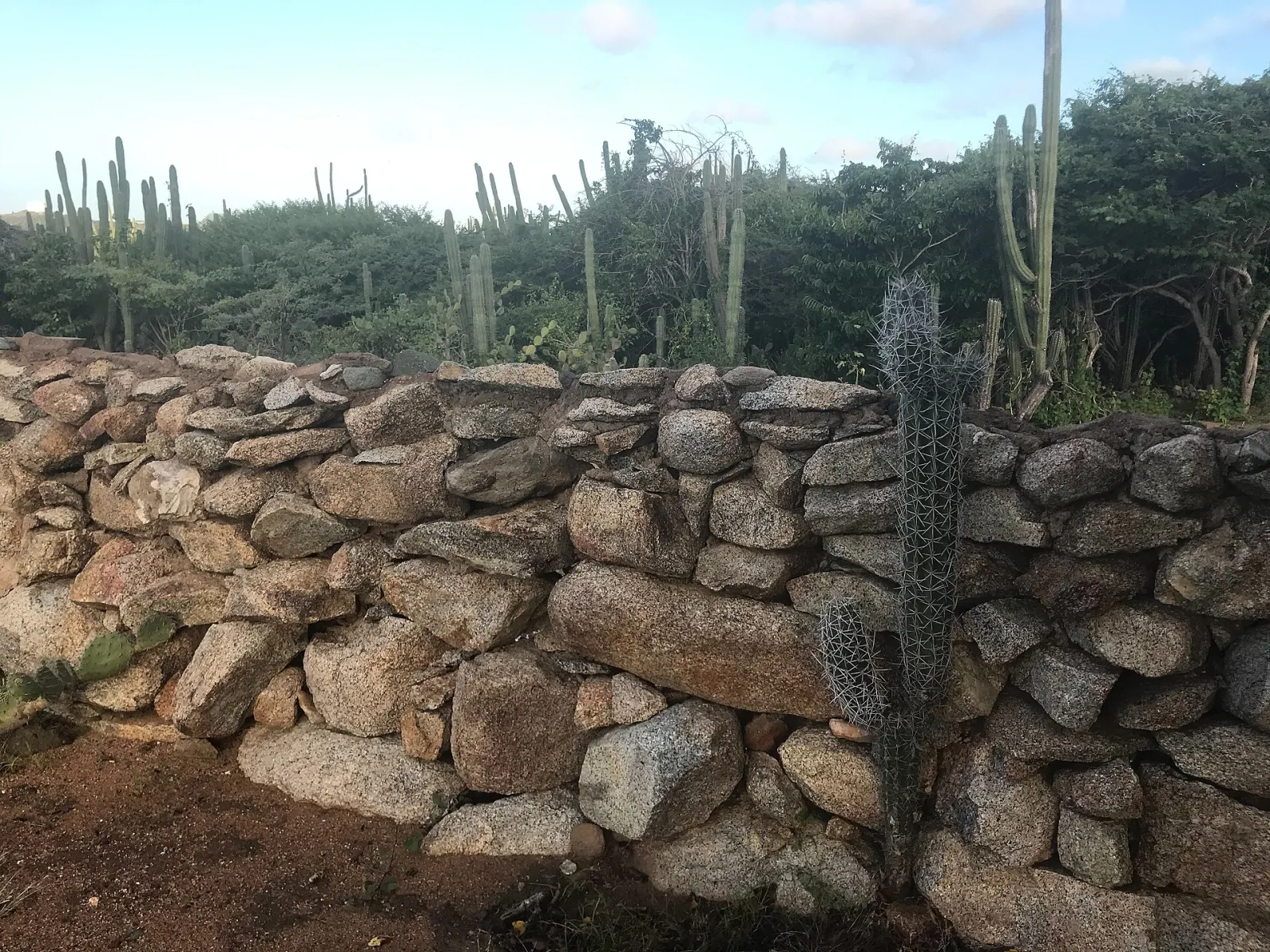
Hiking in Arikok
Trails through Arikok National Park, from the easy Cunucu Arikok loop to Jamanota, Aruba's 188 m high point, with ranger-led hikes, the park pass and heat advice.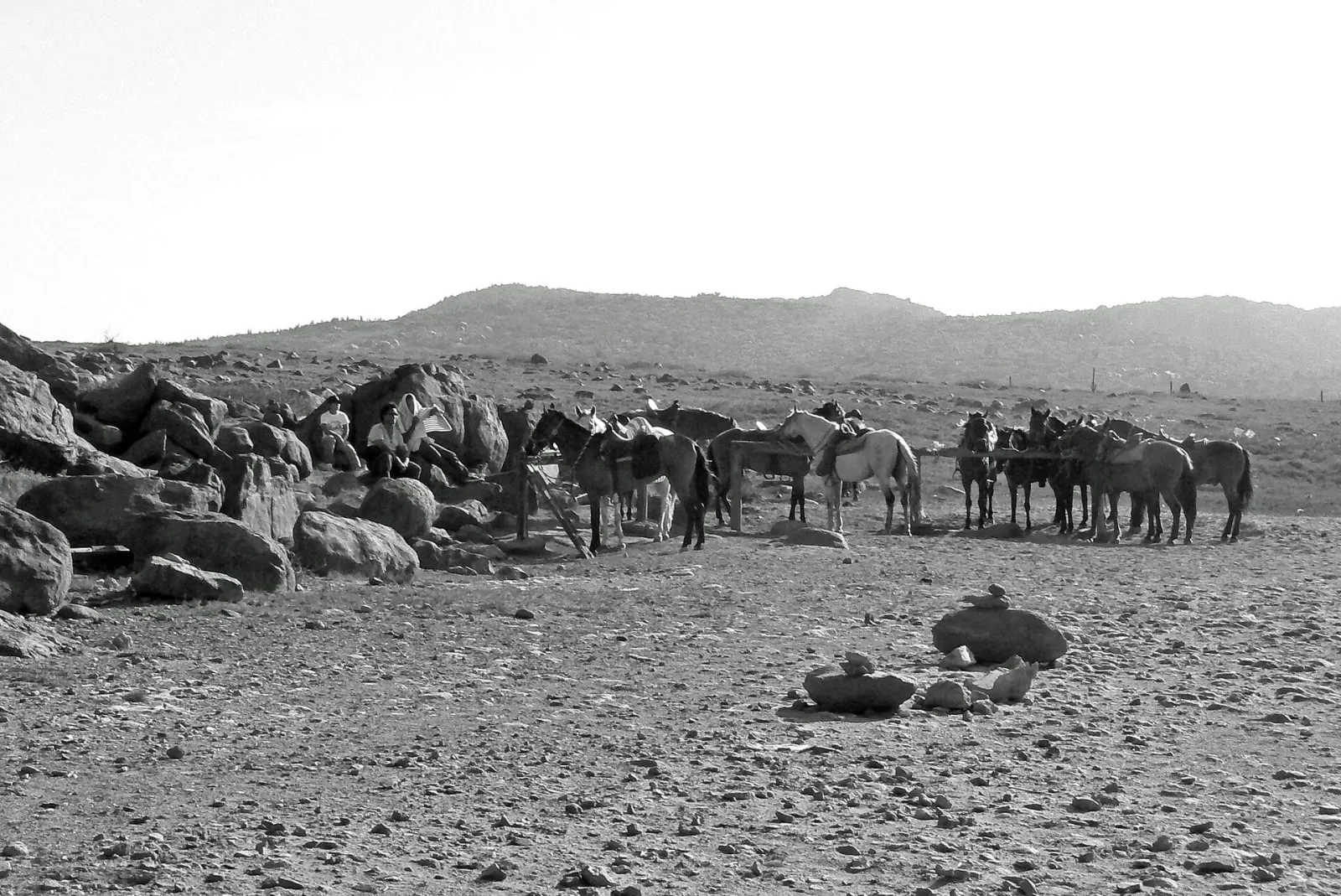
Horseback riding
Guided rides through Aruba's cactus country and along the rugged north coast, including routes to the Natural Pool in Arikok, mostly on gaited Paso Fino horses.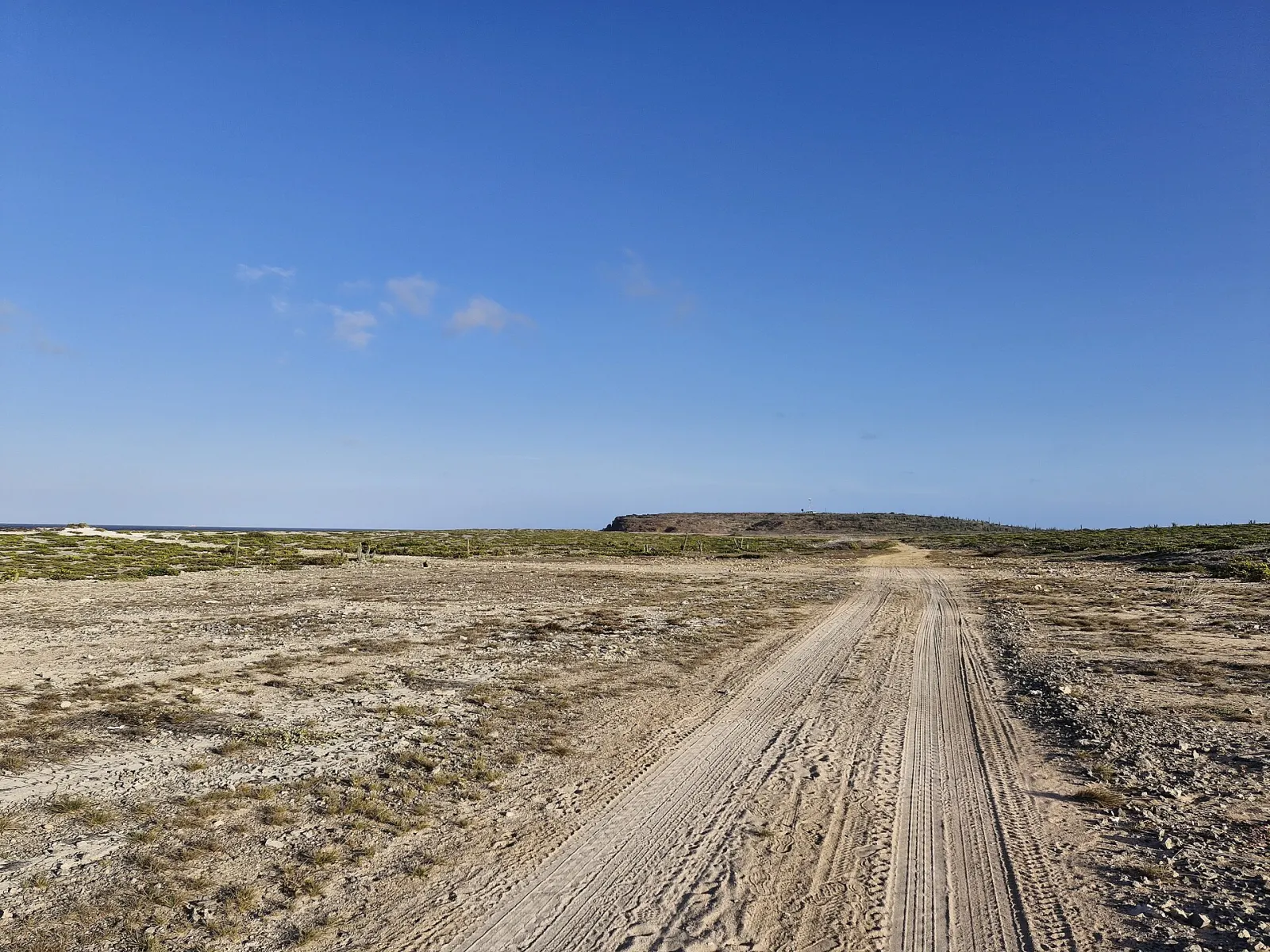
Jeep & UTV tours
Exploring Aruba's rugged north and east coasts by 4×4: where jeeps may drive, why ATVs and UTVs are banned from protected nature areas, and the Arikok park rules.Nearby
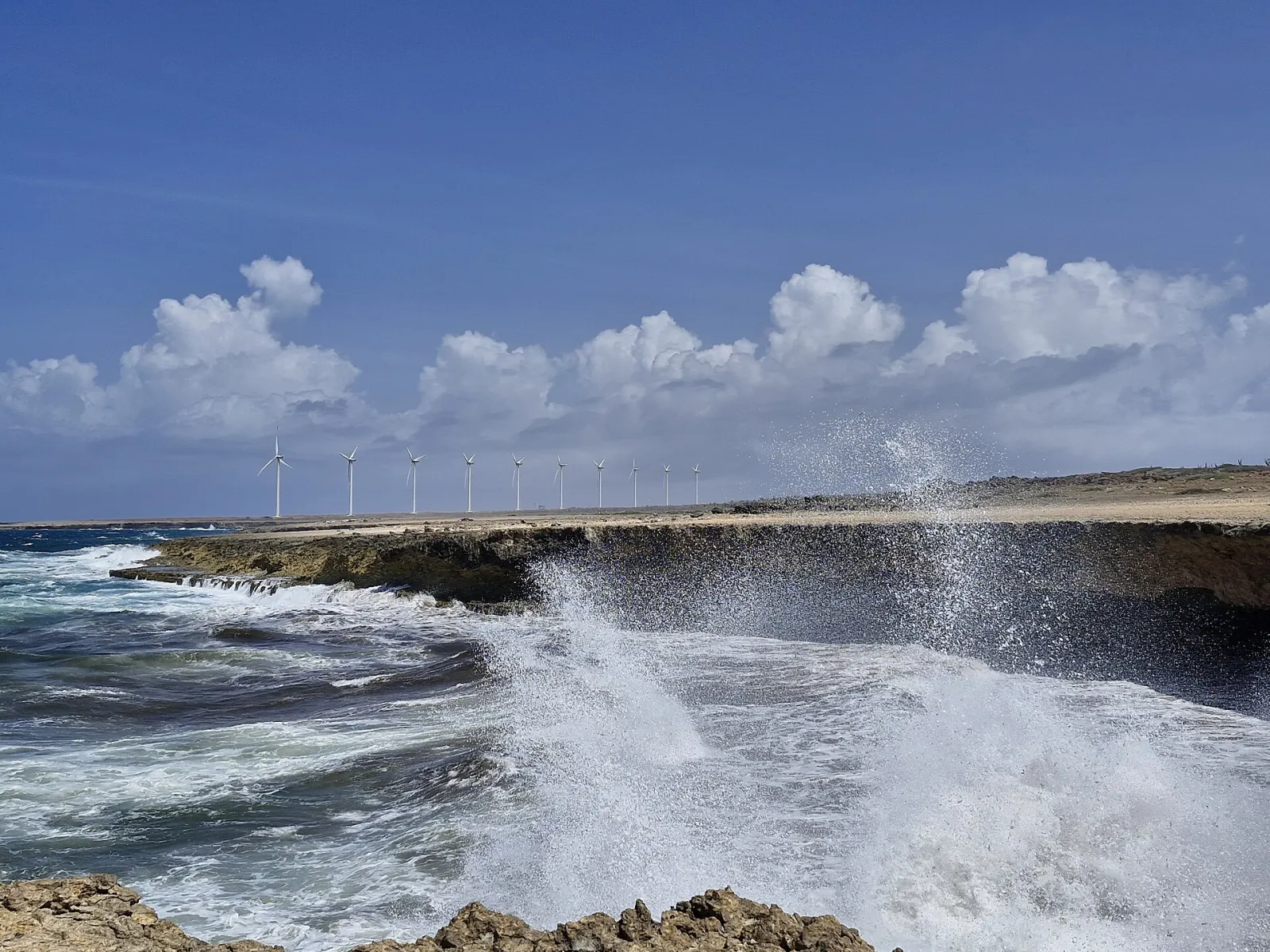
Arikok National Park
34 km² of protected desert hills, caves and wild coast in north-east Aruba. Entry needs a conservation pass: US$22 per adult in 2026, under-17s free.
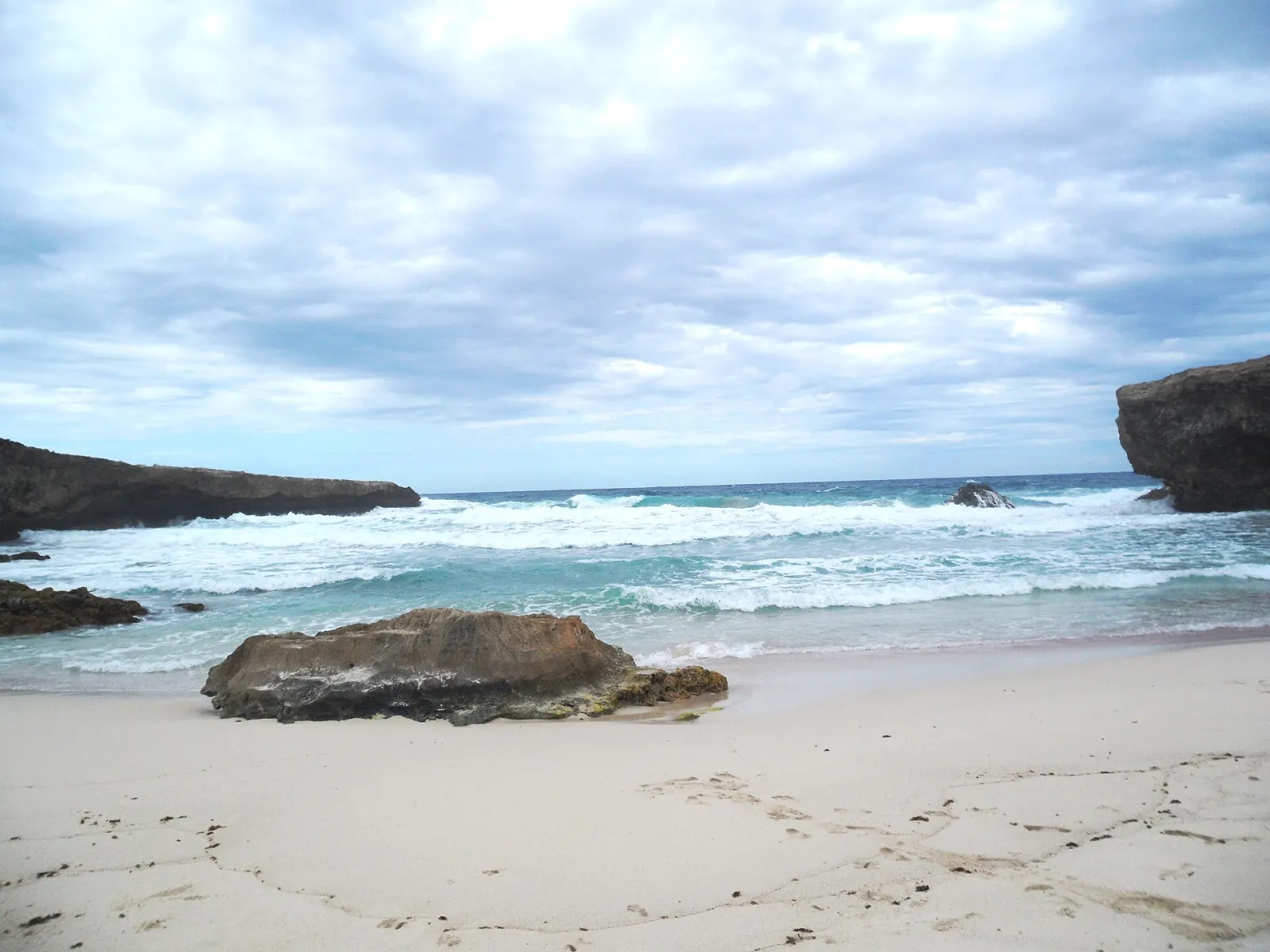
Boca Prins
Dune-backed cove on Arikok's wild north-east coast. Strong, constant undertow: no swimming. Park conservation pass required to enter.
Fontein Cave
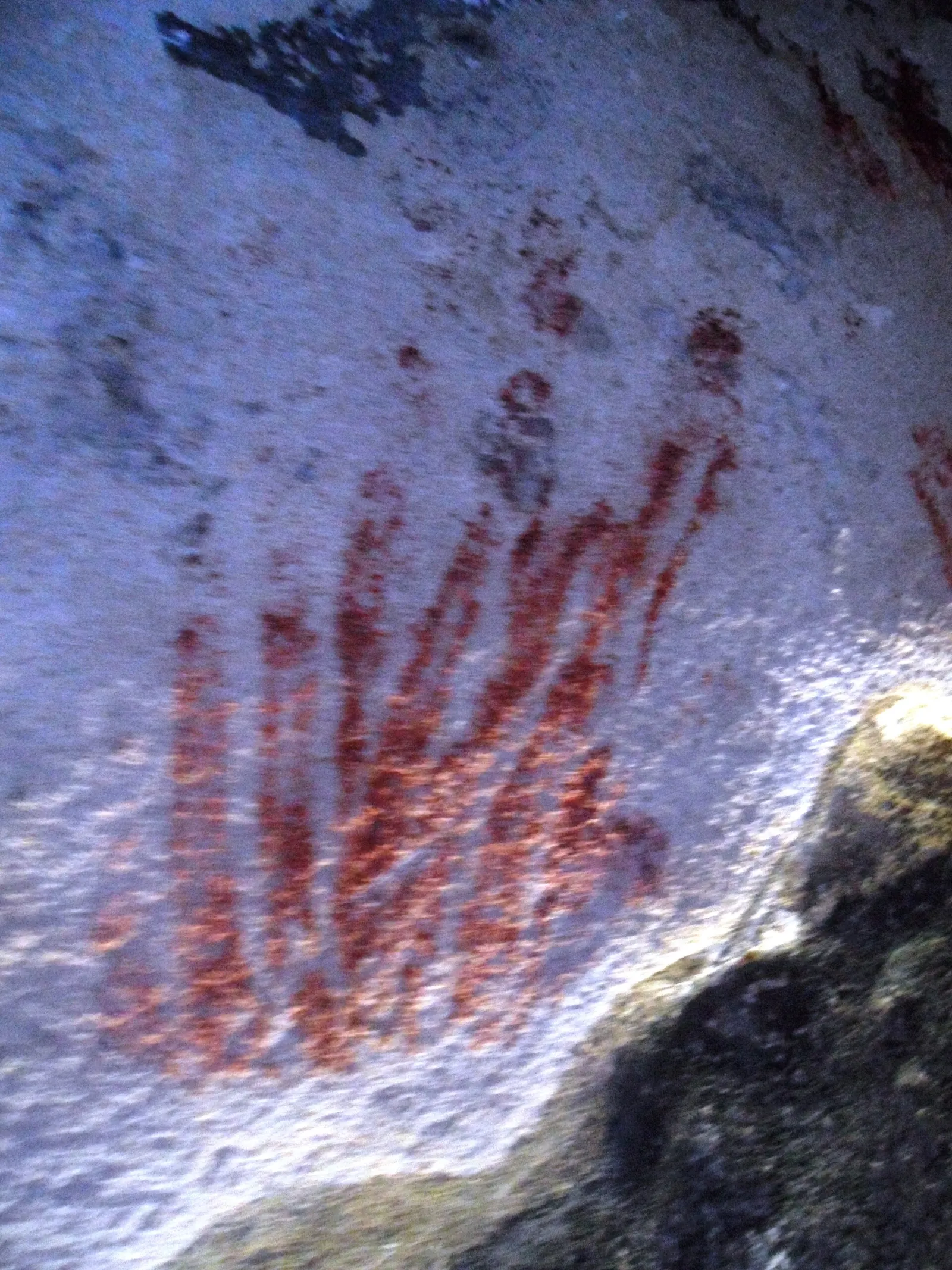
A limestone cave in Arikok National Park with Amerindian drawings on its ceiling, gated to protect them; enter with park staff during park hours.
More sights
Arikok National Park
34 km² of protected desert hills, caves and wild coast in north-east Aruba. Entry needs a conservation pass: US$22 per adult in 2026, under-17s free.
Fontein Cave
A limestone cave in Arikok National Park with Amerindian drawings on its ceiling, gated to protect them; enter with park staff during park hours.
Ayo Rock Formations
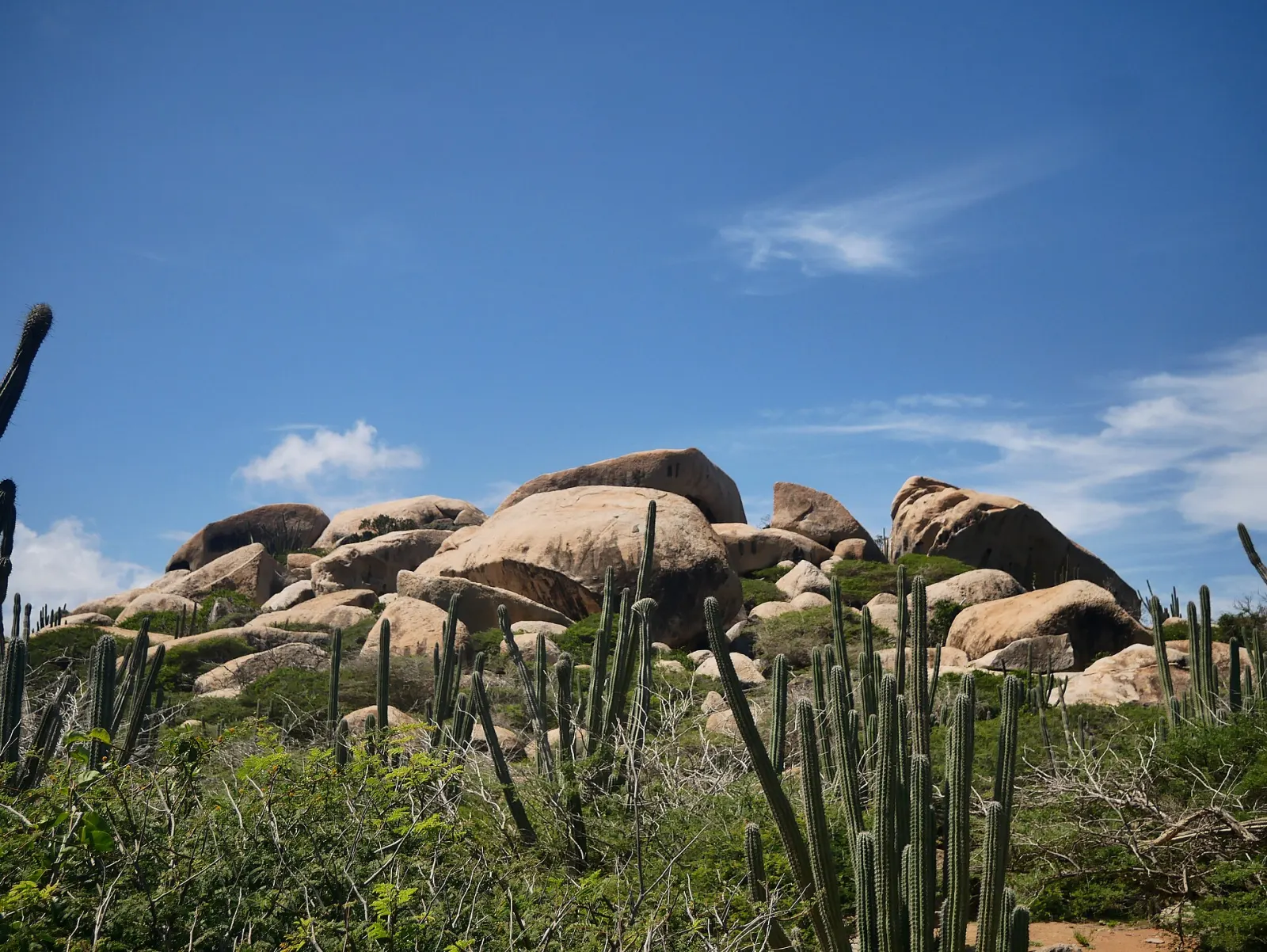
Piles of giant diorite boulders near Ayo village where Aruba's Amerindian inhabitants left rock paintings — quieter than Casibari, with short walking paths.