
San Nicolas Murals
More than 80 permanent murals by artists from 11 countries turn the former refinery town of San Nicolas into an open-air gallery, free to walk any day.
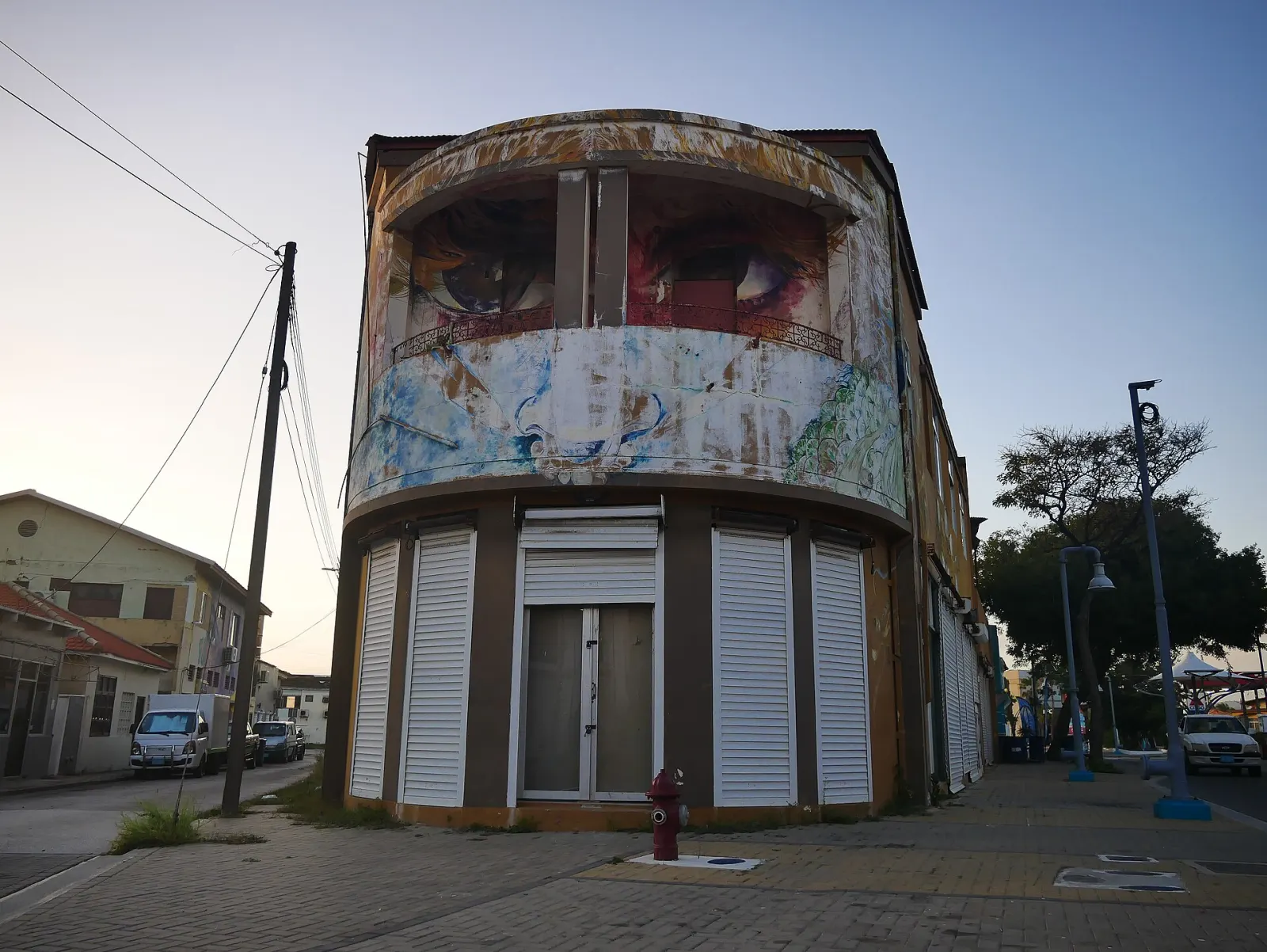
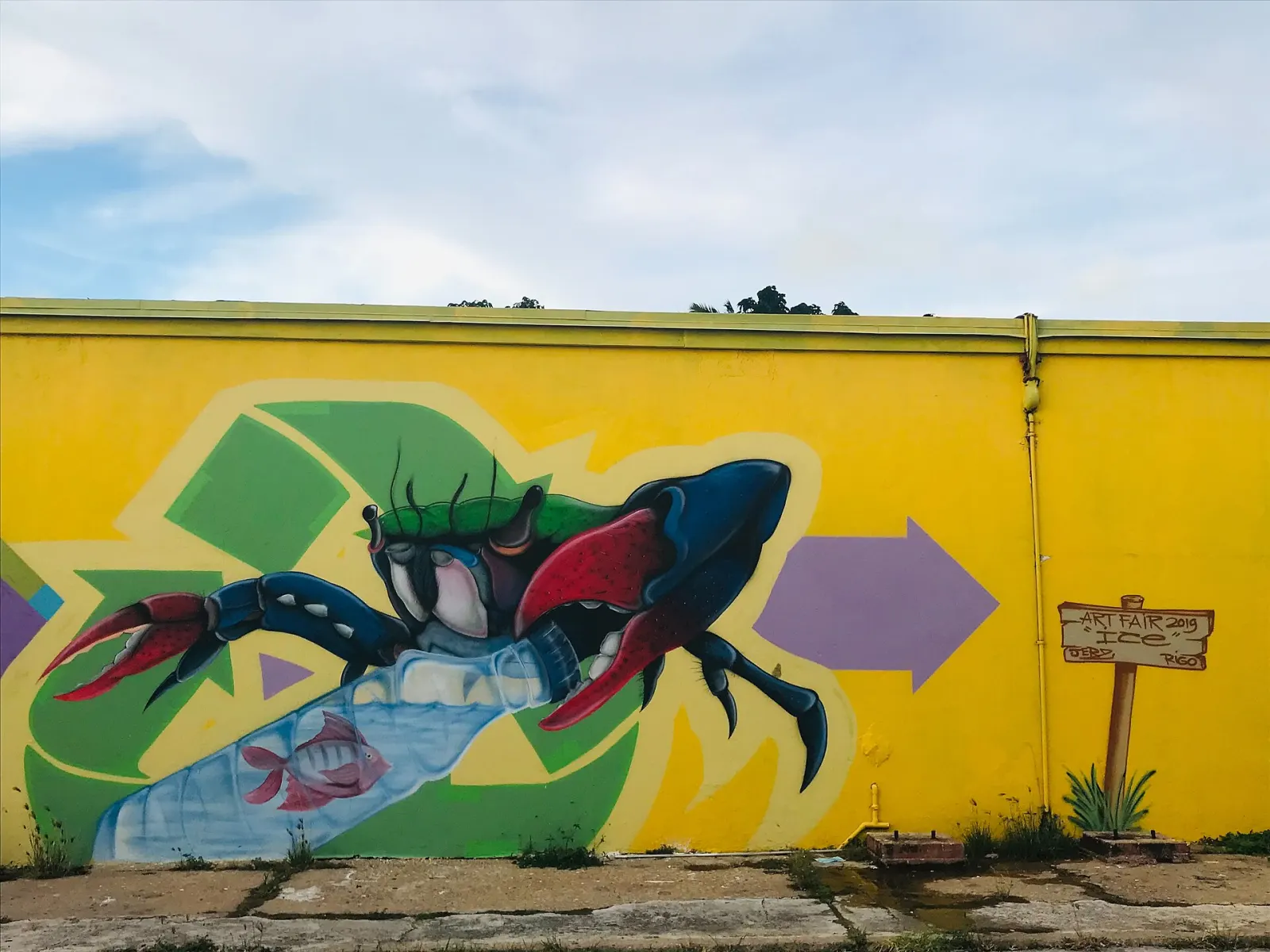
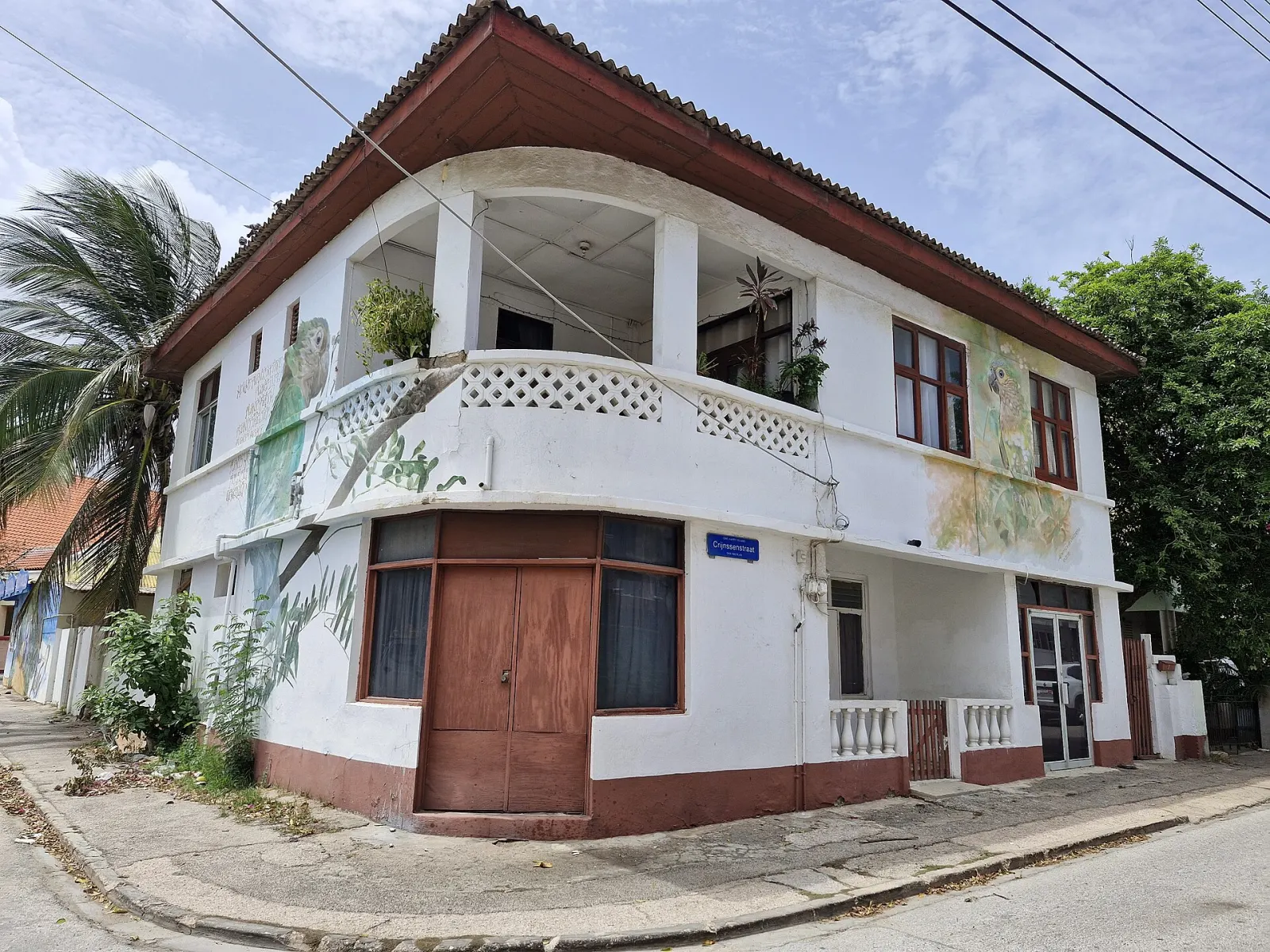
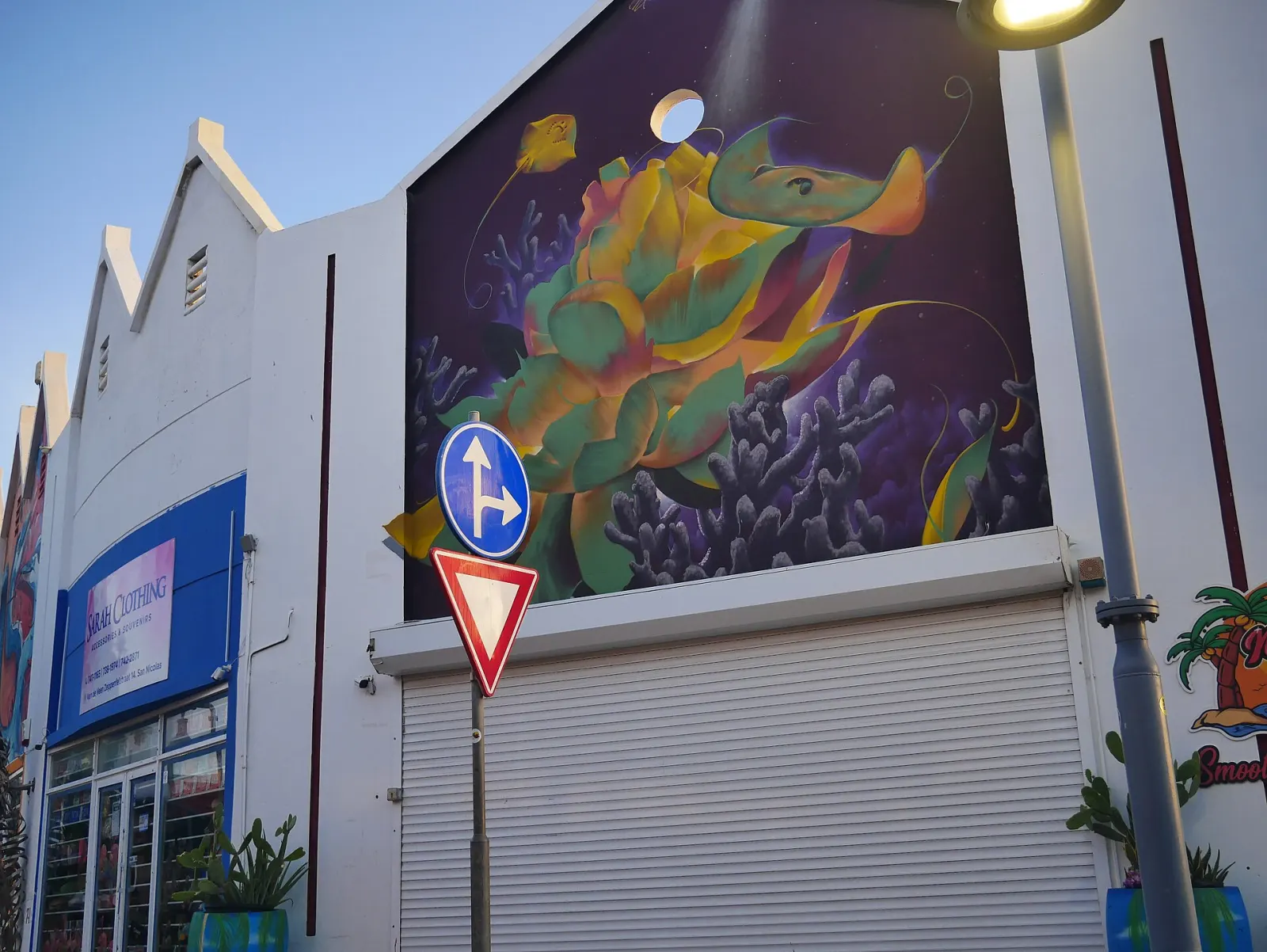
San Nicolas, Aruba's second city on the island's south-east "Sunrise Side", has become one of the Caribbean's best-known street-art towns: the organisers of the Aruba Art Fair count more than 80 permanent murals by artists from eleven countries, most within a few blocks of the main street, Zeppenfeldstraat. They are free to see at any time, and a walk takes in the town's history as much as its art.
Why are there so many murals in San Nicolas?
San Nicolas grew up around the Lago oil refinery, which opened in 1924 and drew workers from across the Caribbean; when it closed in 1985 the town emptied and many shopfronts stayed shuttered. In 2016 the ArtisA Foundation, founded by Tito Bolivar, launched the Aruba Art Fair on the street and began inviting muralists — among them Bordalo II and Bond Truluv — to paint walls offered by residents. In 2019 Forbes called San Nicolas the "Street Art Capital of the Caribbean". The foundation has since opened the ArtisA Gallery (2021) and Space21 (2023).
What will you see on a mural walk?
- Large façades on and around Zeppenfeldstraat and the side streets, from photorealistic portraits to abstract work.
- Murals on family homes, for example along Crijnssenstraat — enjoy them from the pavement.
- The town itself: Caribbean-English heritage, steel-pan and calypso traditions, and the historic main street, renovated as a promenade.
New walls are added each year during the Mural Festival, so the collection keeps changing.
When is the Aruba Art Fair?
Every September since 2016, on three evenings along the San Nicolas promenade, as the closing weekend of Art Week Aruba. The 9th edition took place in 2026; the 10th, Aruba Art Fair X, is announced for 10–12 September 2027, open 19:00–23:00. Passes for 2027 are listed at US$15 for one night and US$20 for all three. See the Aruba Art Fair event page.
How do you see the murals?
On your own, simply by walking the central streets — the area is compact. Guided mural walks also start from the ArtisA gallery at B. v/d Veen Zeppenfeldstraat 6, and our San Nicolas street-art walk suggests a route.
Good to know
- Go early morning or late afternoon: shade is limited and the light is softer on the walls.
- Respect residents — many murals are on private houses; don't enter yards or block driveways.
- Combine the walk with Baby Beach or Rodgers Beach a few minutes south, or lunch on the way at Zeerovers in Savaneta.
Don't miss
Getting there
San Nicolas lies about 19 km south-east of Oranjestad; follow the main road along the south coast past Savaneta. Park near Zeppenfeldstraat in the town centre and explore on foot. Arubus also connects San Nicolas, which has its own bus station — check arubus.com for current routes and times.
Local tips
- Walk early or late. Shade is scarce in San Nicolas; soft morning and late-afternoon light also suits photographs.
- Respect private walls. Many murals are on people's homes, offered by residents. Photograph from the street.
- Make a day of the south-east. Murals in the morning, Baby Beach for a swim, and seafood at Zeerovers on the way back.
Things to do here
Nearby
Charlie's Bar
San Nicolas bar open since 1941, its walls and ceilings covered in visitors' memorabilia; best known for shrimp and scampi.
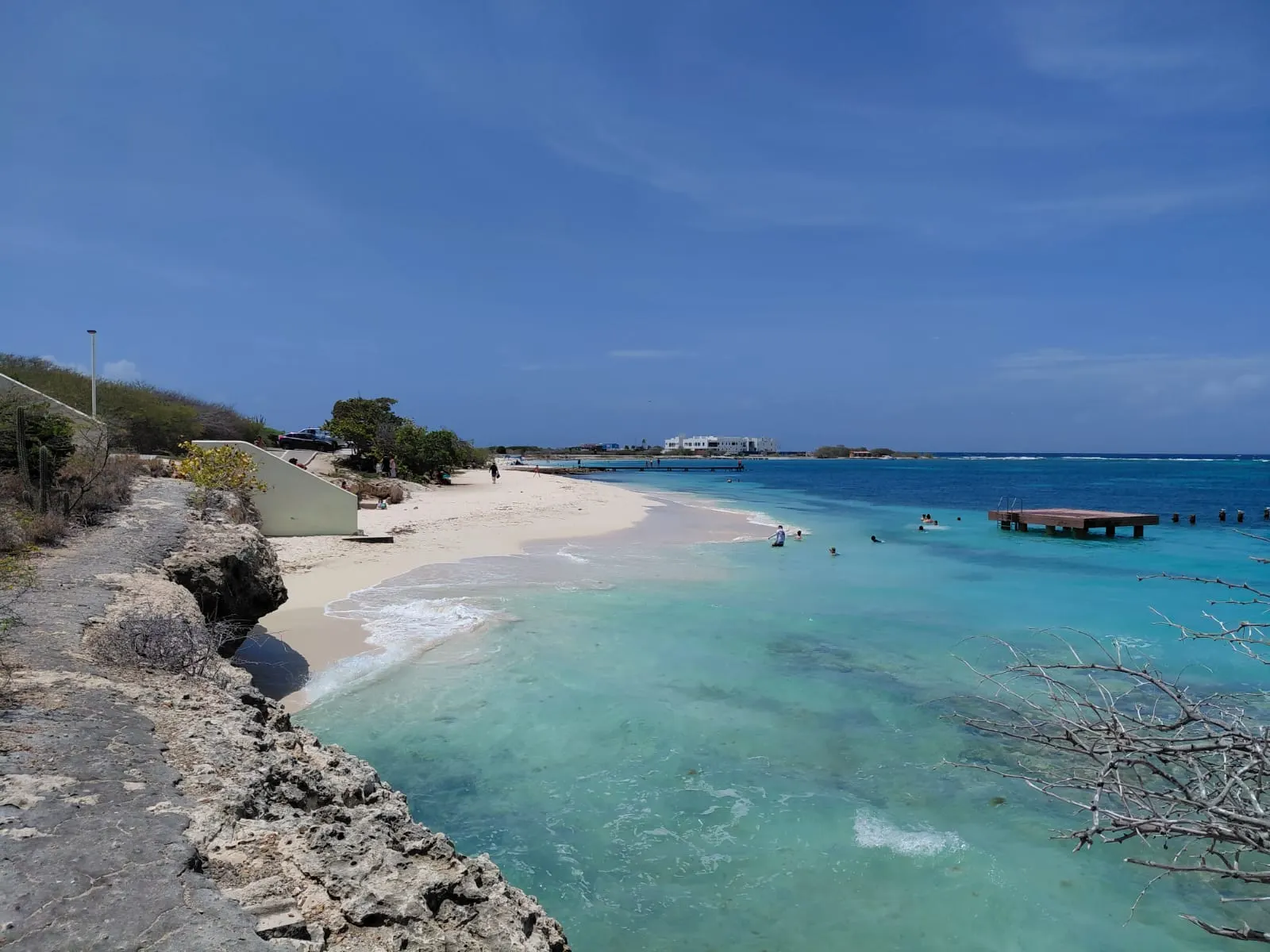
Rodgers Beach
Quiet, calm bay beside Baby Beach with fishing boats at anchor and a view of the old Lago refinery; a local alternative to the crowds.
Flying Fishbone
Dinner on the sand in Savaneta since 1997: tables at the water's edge, sunset views and European-Caribbean seafood and grills.
More sights
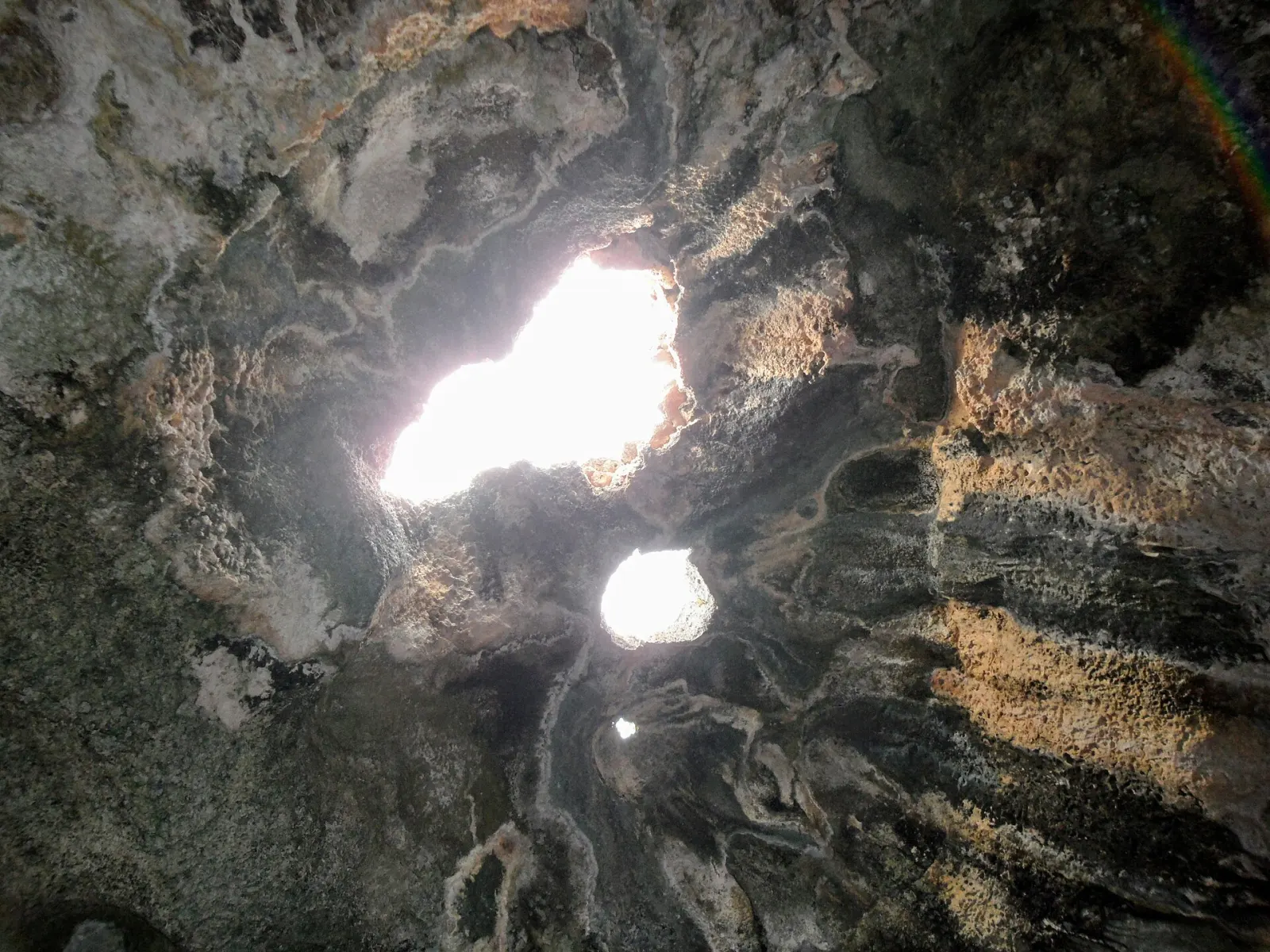
Quadirikiri Cave
Arikok's best-known cave: limestone chambers lit by sunbeams through holes in the roof, home to a large, harmless bat colony.
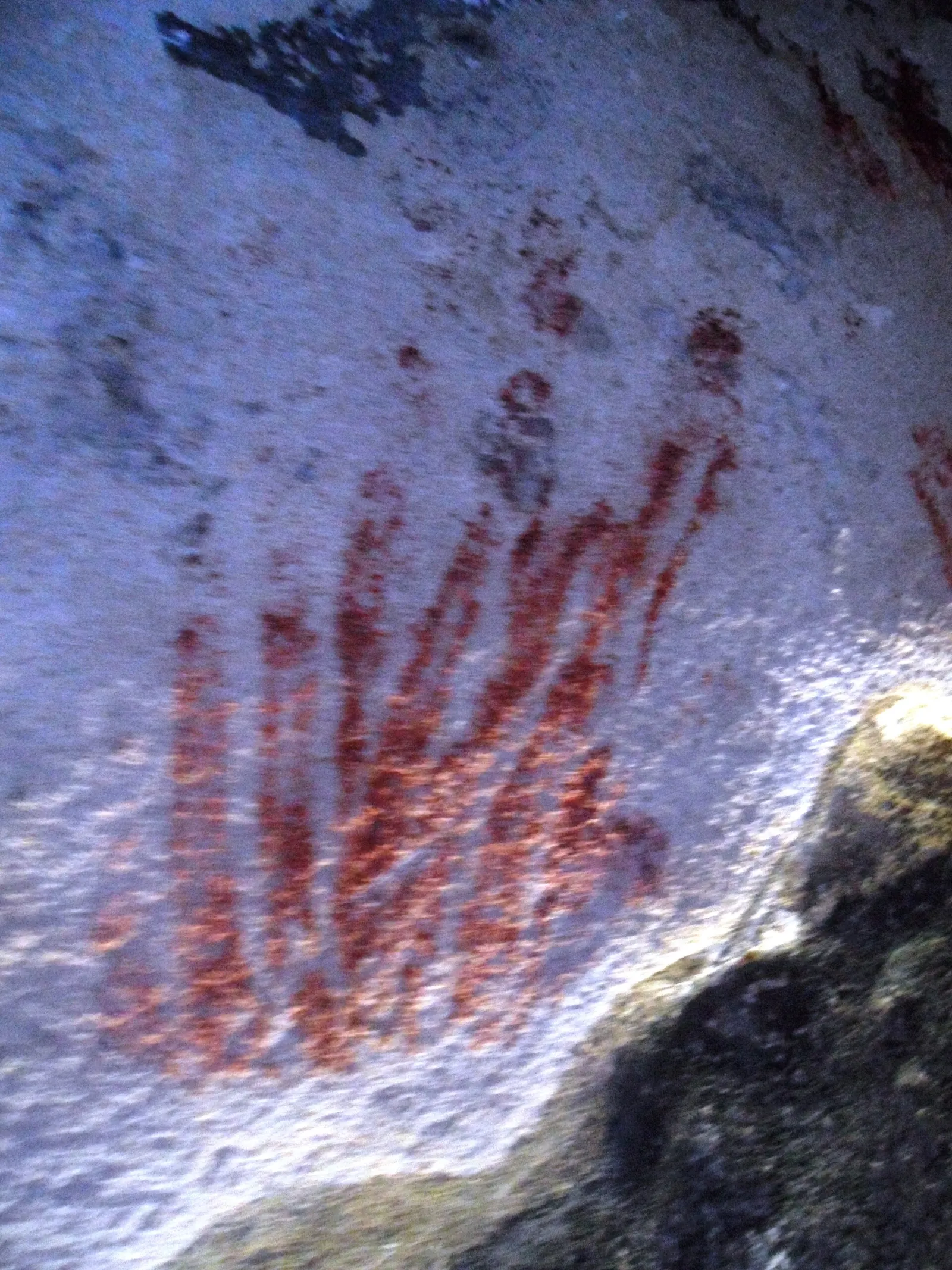
Fontein Cave
A limestone cave in Arikok National Park with Amerindian drawings on its ceiling, gated to protect them; enter with park staff during park hours.
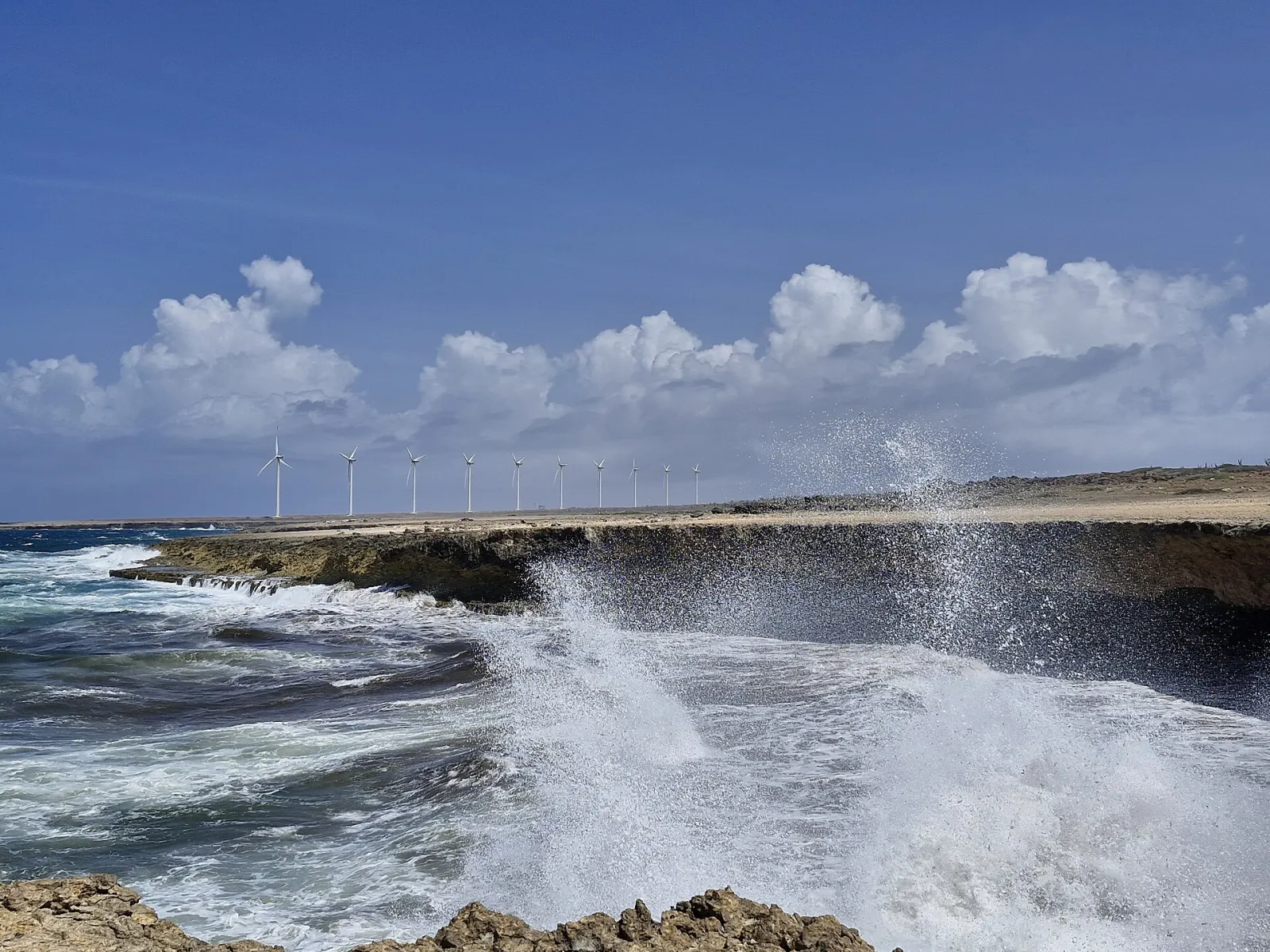
Arikok National Park
34 km² of protected desert hills, caves and wild coast in north-east Aruba. Entry needs a conservation pass: US$22 per adult in 2026, under-17s free.