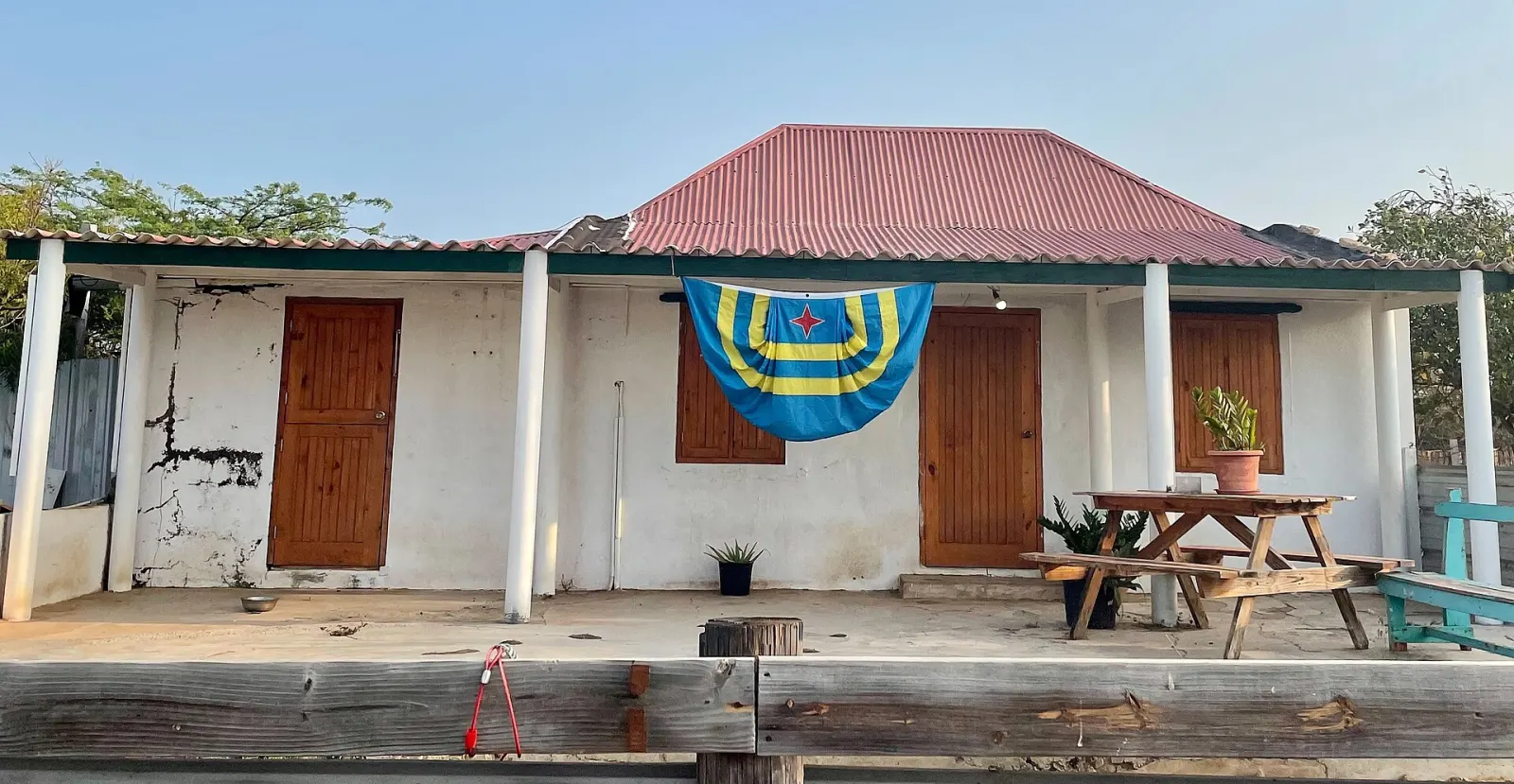
Dande (New Year serenades)
Aruba's New Year tradition: groups of musicians visit homes around 1 January, singing wishes of health, luck and prosperity to drum, tambu and wiri.
Dande is Aruba's New Year serenade: small groups of musicians go from house to house around 1 January, singing wishes of health, luck and prosperity for the year ahead. A lead singer is backed by instruments such as the drum, tambu, wiri and raspa, and being visited by a Dande group is considered an honour. It is a local, family tradition rather than a staged show — but you will hear it everywhere at the turn of the year.
What is Dande?
The Aruba Tourism Authority describes Dande as traveling musical groups of usually five or six people — one singer and several instrumentalists — who visit family and friends at New Year. The singer improvises verses for the household, and one member carries a hat for contributions that the group shares later. According to a history in Aruba Today, the song was traditionally addressed first to the head of the household, then to the lady of the house and then to each child; the musicians played at the entrance or in the front yard and only went in if invited. That account adds that the singer originally removed his hat as a sign of respect.
Where does the tradition come from?
Its exact origin is uncertain. Historians cited by Aruba Today estimate that the rhythm spread across the island around 1880, and oral histories suggest Arubans returning from Cuba may have influenced it. The name may come from dandare, "to go from one place to another", and the refrain ay nobe, common in Dande songs, is believed to derive from the Spanish Año Nuevo. Musically, Dande is in 6/8 time like tumba but has its own structure. Early groups were a drummer, a wiri (scraper) player and a singer; the cuarta, guitar, mandolin, accordion, violin and later the bass were added over time. Visits traditionally began after midnight on New Year's Eve and could continue until 6 January, Dia di Tres Rey (Three Kings' Day).
What else happens at New Year in Aruba?
Fireworks go off all over the island on New Year's Eve, and in the days before, businesses set off a pagara: a long string of Chinese firecrackers ending in larger bangs, believed to chase away bad spirits. Its length is said to reflect how good the business's year has been, and some last up to half an hour. On 1 January the island observes an official holiday, so shops, petrol stations and supermarkets may close early or all day.
How can visitors hear Dande?
Dande is mostly a private visit between families and friends, so there is no single venue or ticket. Visitors usually hear it in public spaces, at community gatherings and in hotels that invite Dande groups over the holidays. If a group plays where you are, it is customary to listen, applaud and, if the hat comes round, contribute. Stock up on groceries and fuel before 1 January, and if you are in town for the holidays, see our Oranjestad guide and the events calendar; January is also when Aruba Carnival season gathers pace.
Programme highlights
- Days before 31 December PagaraBusinesses set off long strings of firecrackers to chase away bad spirits.
- 31 December New Year's Eve fireworksFireworks across the island at midnight.
- 1–6 January Dande visitsGroups go from house to house singing New Year wishes, traditionally until Three Kings' Day.
Know before you go
- Listen, then give. If a group plays near you and the hat comes round, a small contribution is customary.
- Shop before 1 January. New Year's Day is a public holiday; shops, petrol stations and supermarkets may close.
- Mind pets and noise. Pagaras and fireworks are loud for days; the tourism authority notes a growing focus on safety, pets and wildlife.
More events
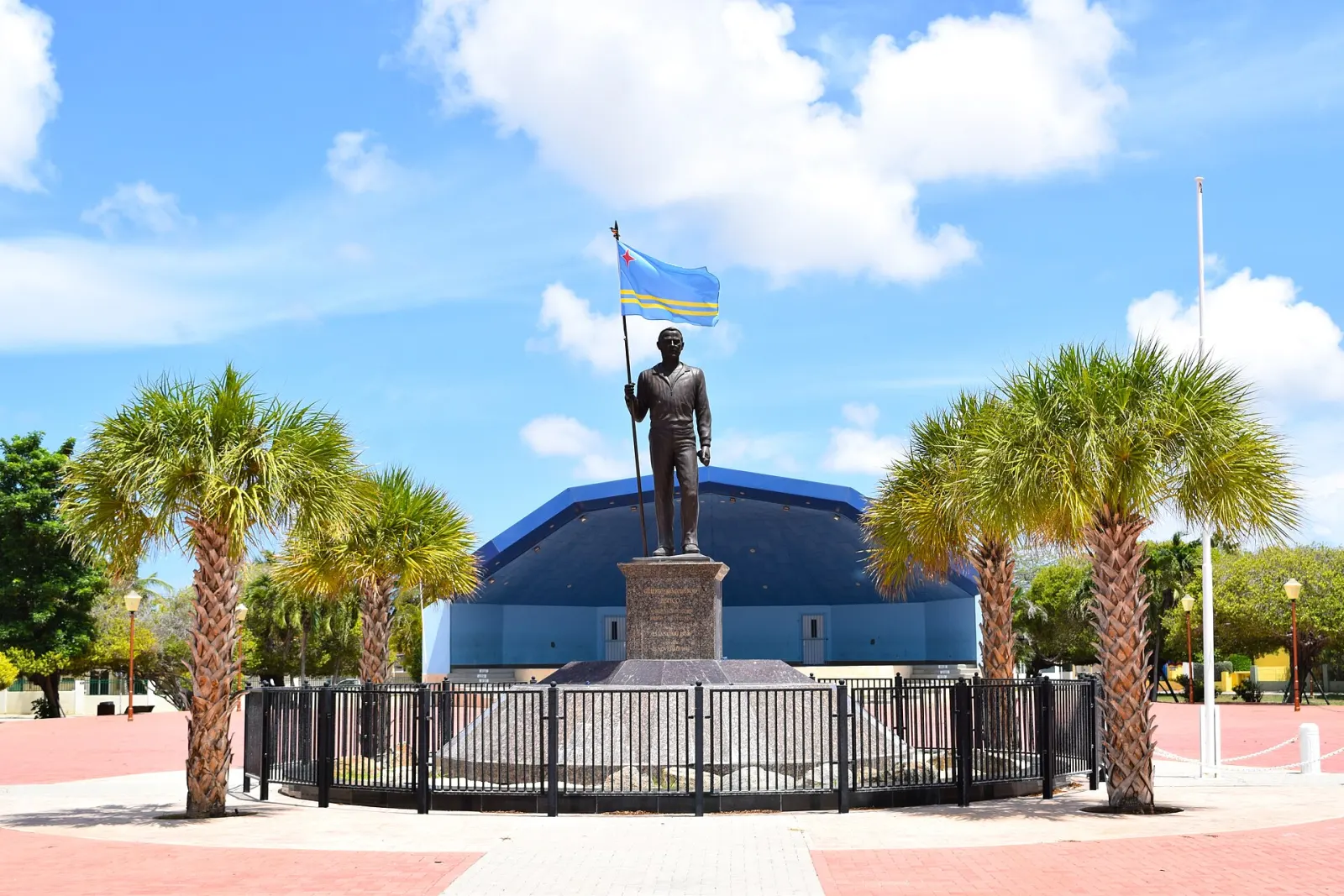
Betico Croes Day
Plaza Betico Croes (Oranjestad) & island-wide · 25 January (public holiday)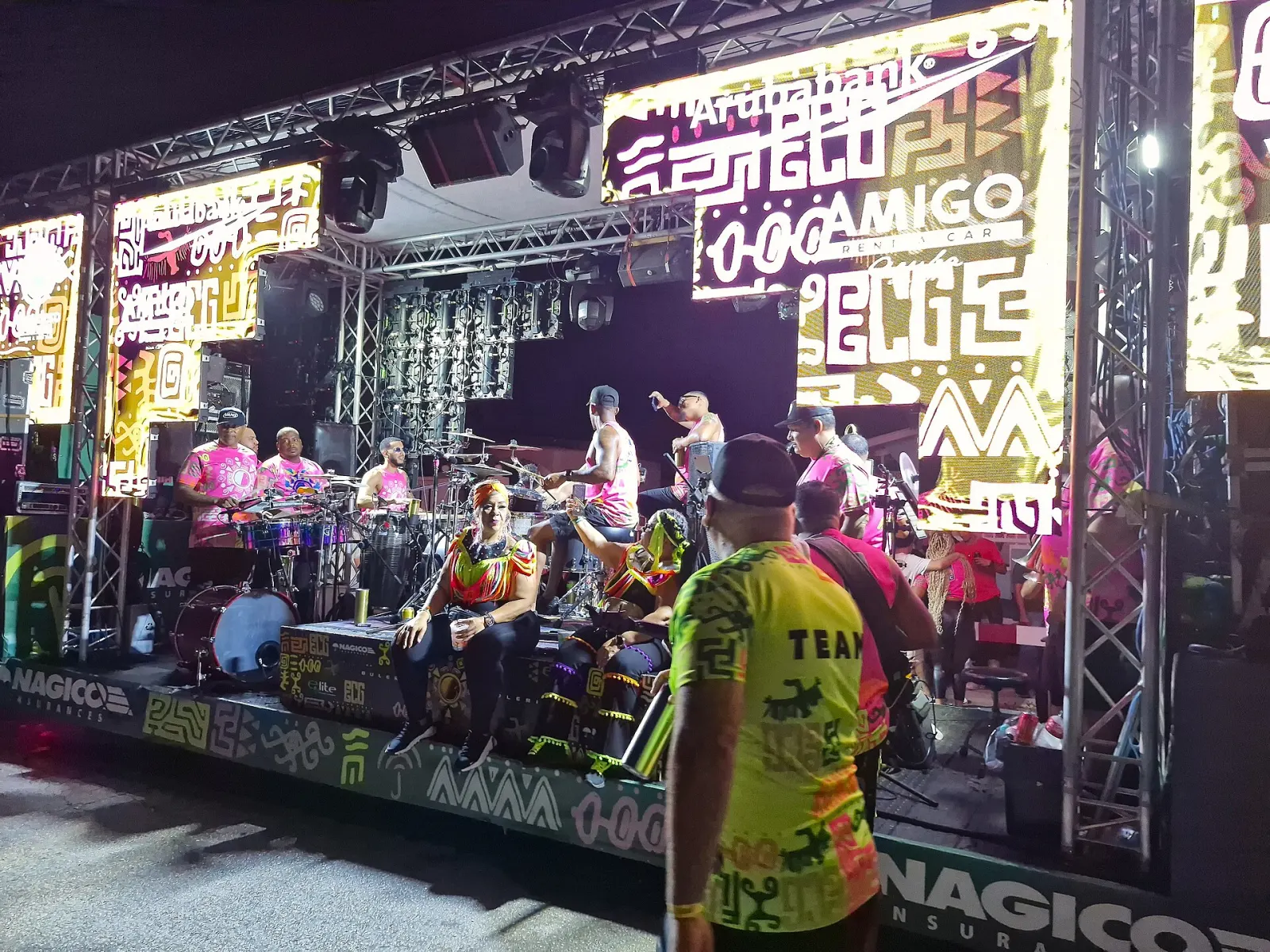
Aruba Carnival
Oranjestad & San Nicolas · January to February — ends before Ash Wednesday (season opens 11 November)