
Arikok National Park
34 km² of protected desert hills, caves and wild coast in north-east Aruba. Entry needs a conservation pass: US$22 per adult in 2026, under-17s free.
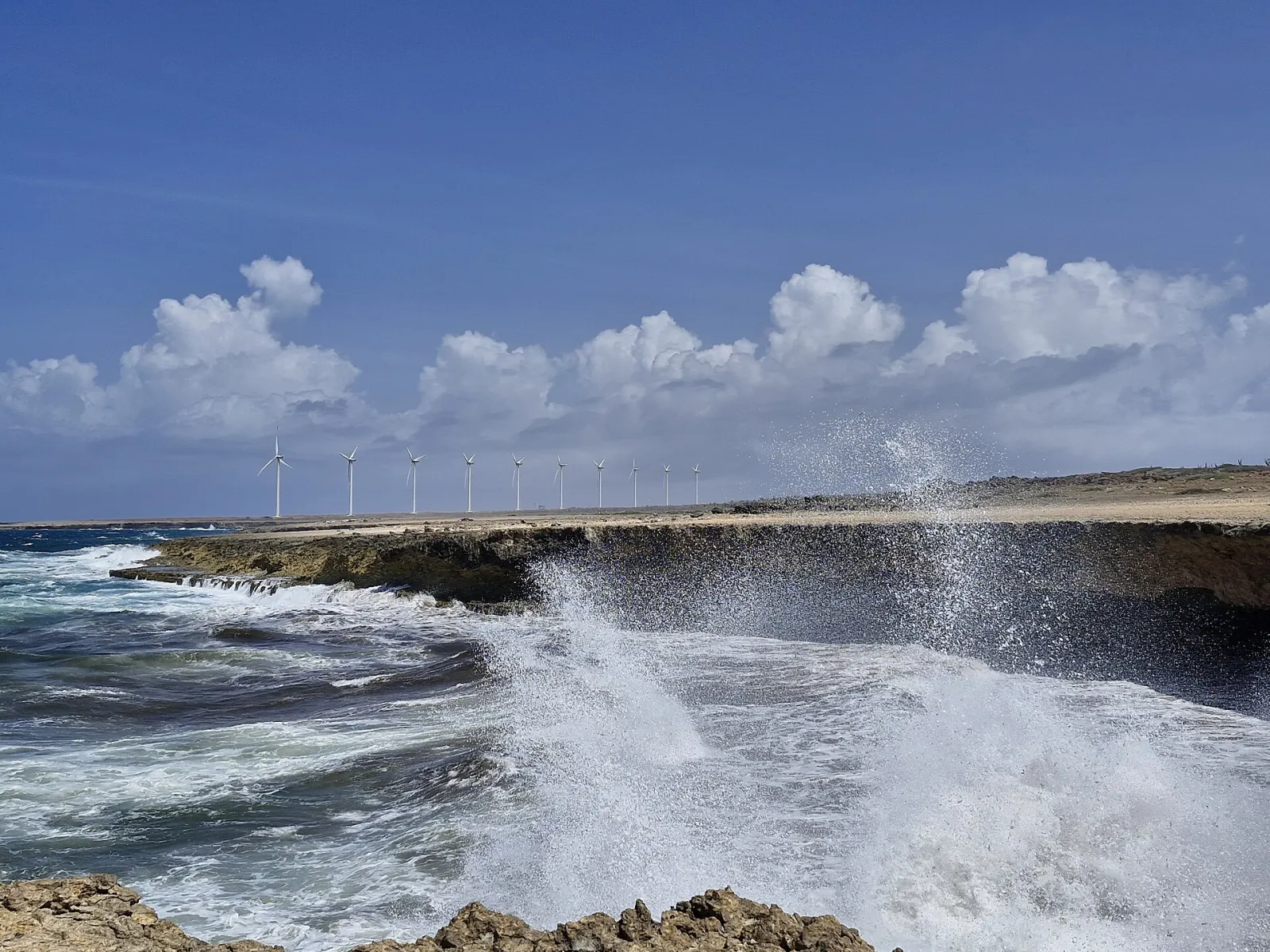
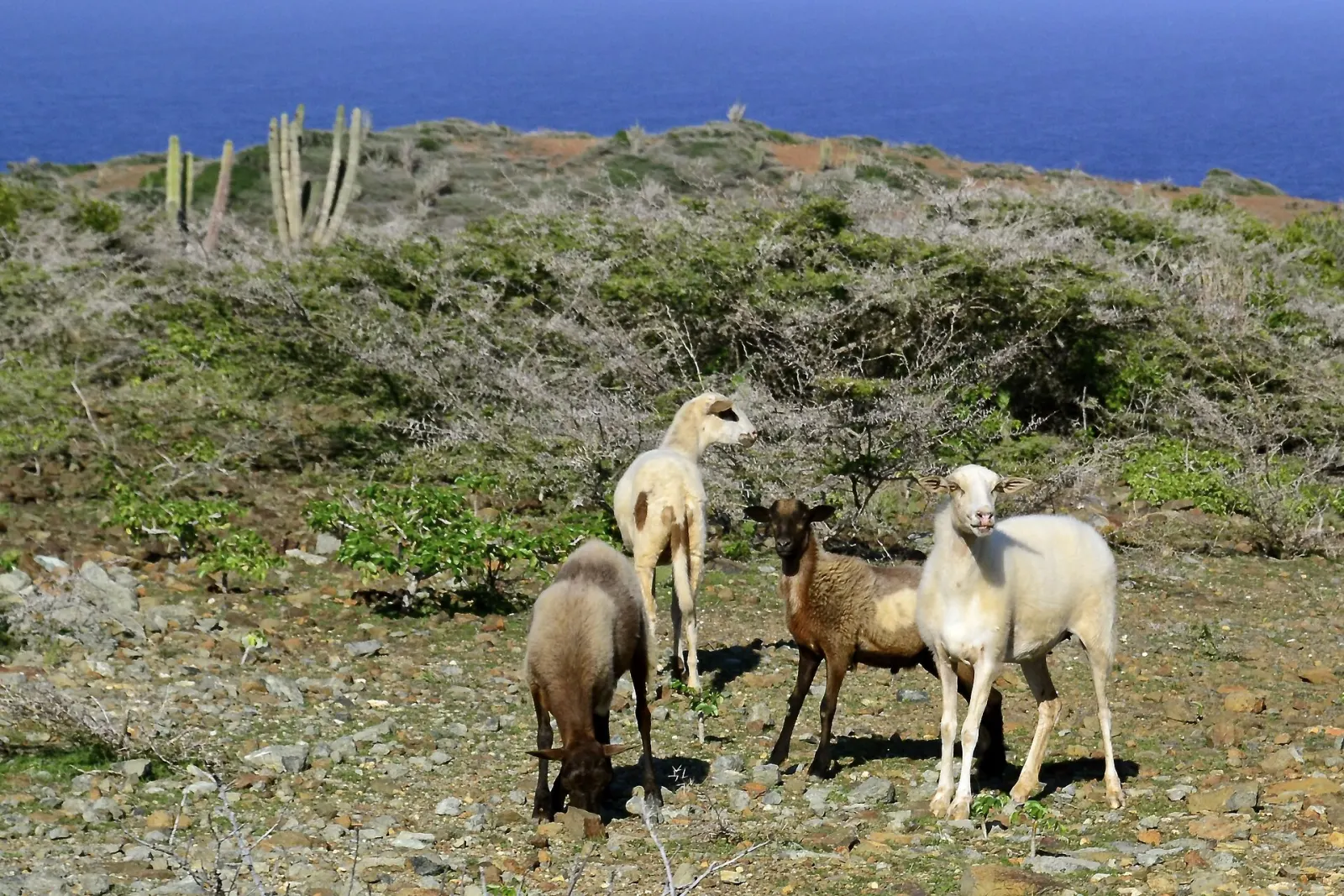
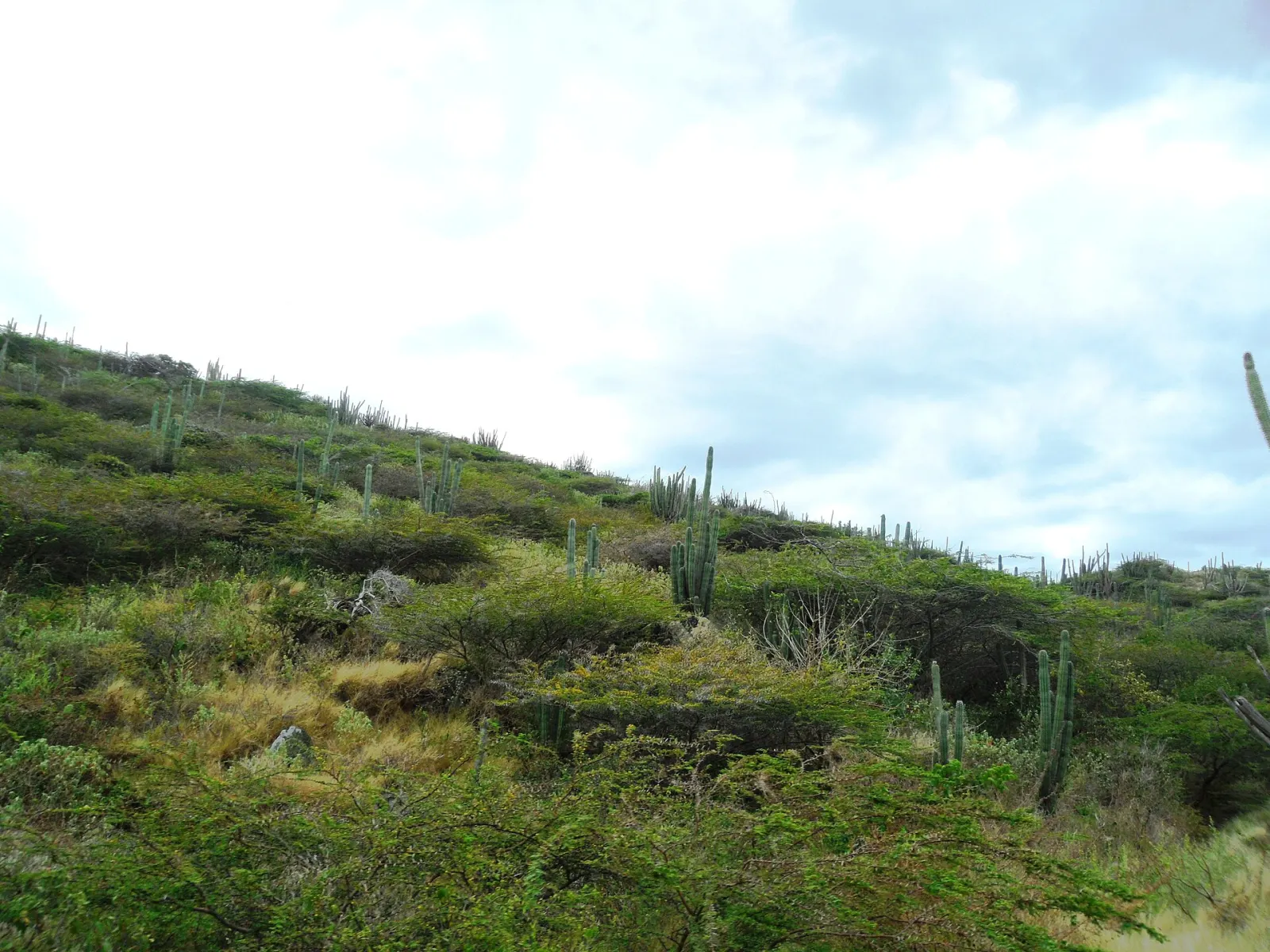
Arikok National Park (Parke Nacional Arikok) protects about 34 km² of Aruba's north-east: cactus-covered hills, limestone cliffs, caves with Amerindian rock art and a windswept coast where sea turtles nest. It was established in 2000 and is managed by the Aruba Conservation Foundation (ACF). Come for the caves, the Natural Pool and the island's highest hill — but plan it as a full, early, hot day.
How much does it cost to enter Arikok in 2026?
A valid conservation pass is required by law. The ACF lists the day-pass at US$22 per adult and free for under-17s, with a local discount for residents of Aruba, Bonaire and Curaçao who show government ID. Passes are sold at the San Fuego Visitor Center and at the Vader Piet entrance; an annual pass is also available at San Fuego.
When is the park open?
The ACF gives daily hours of 8:00–15:30 at San Fuego and roughly 8:30/9:00–15:00 at the Vader Piet booth (its pages show both). Arriving at opening time matters: by midday the interior is shadeless and the trade wind does little to cool the dark lava hills.
What can you see inside the park?
- Fontein Cave with Amerindian drawings on its ceiling, and Quadirikiri Cave, whose chambers are lit by holes in the roof.
- The Natural Pool (Conchi), a sea pool ringed by pillow lava on the north coast — reachable only by 4×4, on horseback or on foot.
- Boca Prins and Dos Playa, wild bays with dunes. ACF calls Dos Playa one of Aruba's most important turtle nesting sites; these are viewing beaches, not swimming beaches.
- Jamanota, at 188 m the highest point of Aruba, the Miralamar gold-mine ruins and the Cunucu Arikok trail with an adobe farmhouse and Amerindian pictographs.
Wildlife includes the endemic Aruba Island rattlesnake (cascabel), the burrowing owl (shoco) and the Aruban parakeet (prikichi).
What are the rules?
The park's rules sign is short and enforced by law (AB 2000 no. 59): ATVs, UTVs and motorbikes are prohibited in protected nature areas; the speed limit is 20 km/h; stay on park roads and use marked parking; no drones, no pets, no rock stacking, no metal detectors; do not disturb, feed or collect plants, animals or rocks; take your litter out.
Hike on your own or with a ranger?
Marked trails can be walked independently with the pass. The ACF also runs ranger-guided hikes at US$25 per person (maximum 10), for example Cunucu Arikok (5 km, easy), Miralamar (2 km), Jamanota (4.8 km, hard) and Rooi Tambu to Dos Playa (7.5 km, hard, 7:00 start). See hiking in Arikok for trail planning.
Don't miss
Getting there
The main entrance and San Fuego Visitor Center are in the Santa Cruz district, in the centre-east of the island; follow signs for Parke Nacional Arikok from Santa Cruz. The second entrance, Vader Piet, is on the east coast towards San Nicolas and is the shorter approach to Fontein and Quadirikiri caves and Boca Prins. A normal car is fine on the paved park roads; the tracks to the Natural Pool need a high-clearance 4×4.
Local tips
- Start at opening time. San Fuego opens at 8:00. Hike and visit the caves before 11:00, when the heat on the lava hills becomes hard work.
- No ATV or UTV. ACF prohibits ATVs, UTVs and motorbikes in protected areas. Use a proper 4×4 for the rough tracks, keep to 20 km/h and stay on park roads.
- Carry more water than you think. There is almost no shade on the trails. Bring water, a hat and closed shoes — cactus spines and loose lava rock are everywhere.
- Keep the pass on you. A conservation pass is needed even if you reach the Natural Pool or the caves on foot or with a tour. Buy it at San Fuego or Vader Piet.
Things to do here
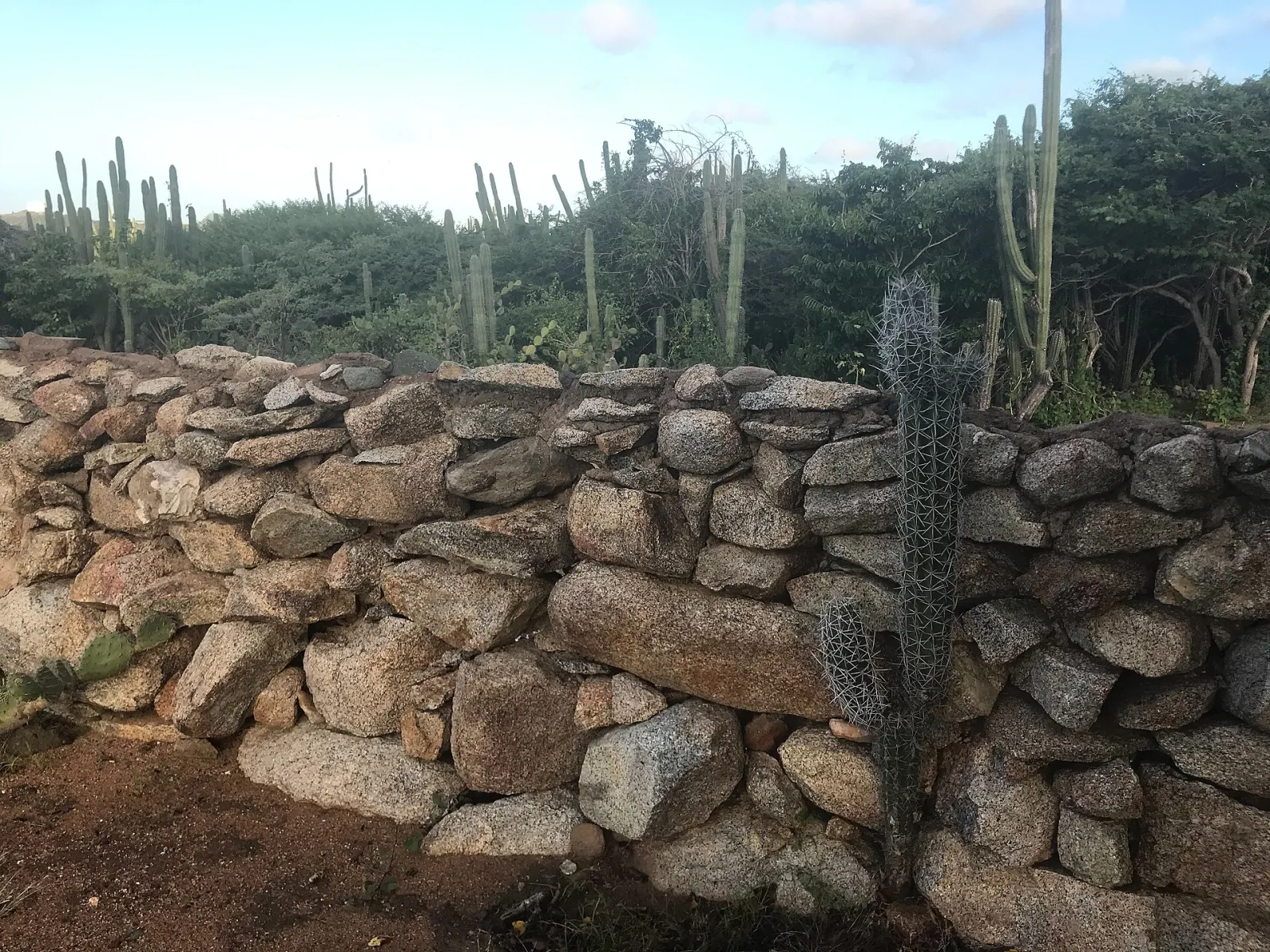
Hiking in Arikok
Trails through Arikok National Park, from the easy Cunucu Arikok loop to Jamanota, Aruba's 188 m high point, with ranger-led hikes, the park pass and heat advice.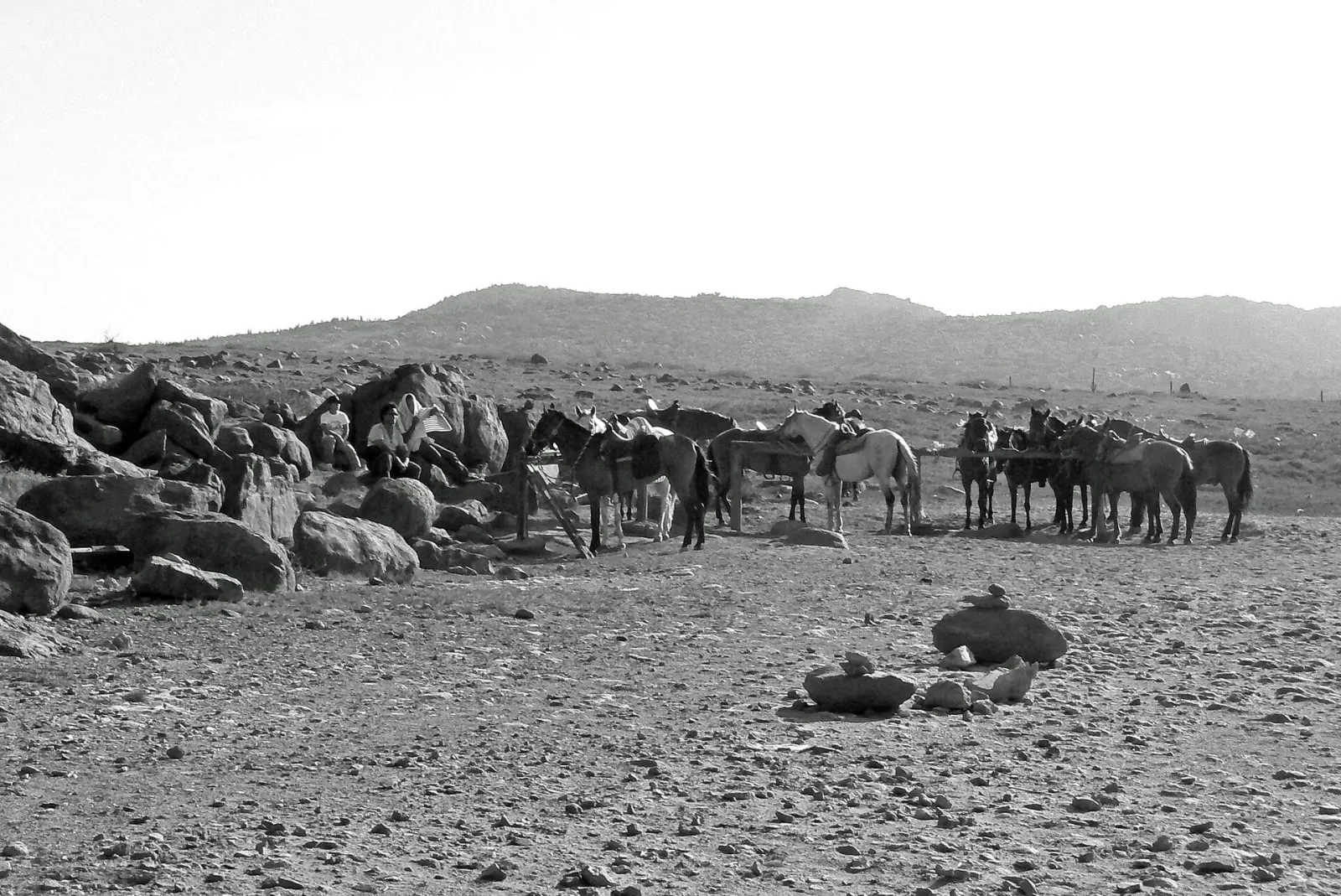
Horseback riding
Guided rides through Aruba's cactus country and along the rugged north coast, including routes to the Natural Pool in Arikok, mostly on gaited Paso Fino horses.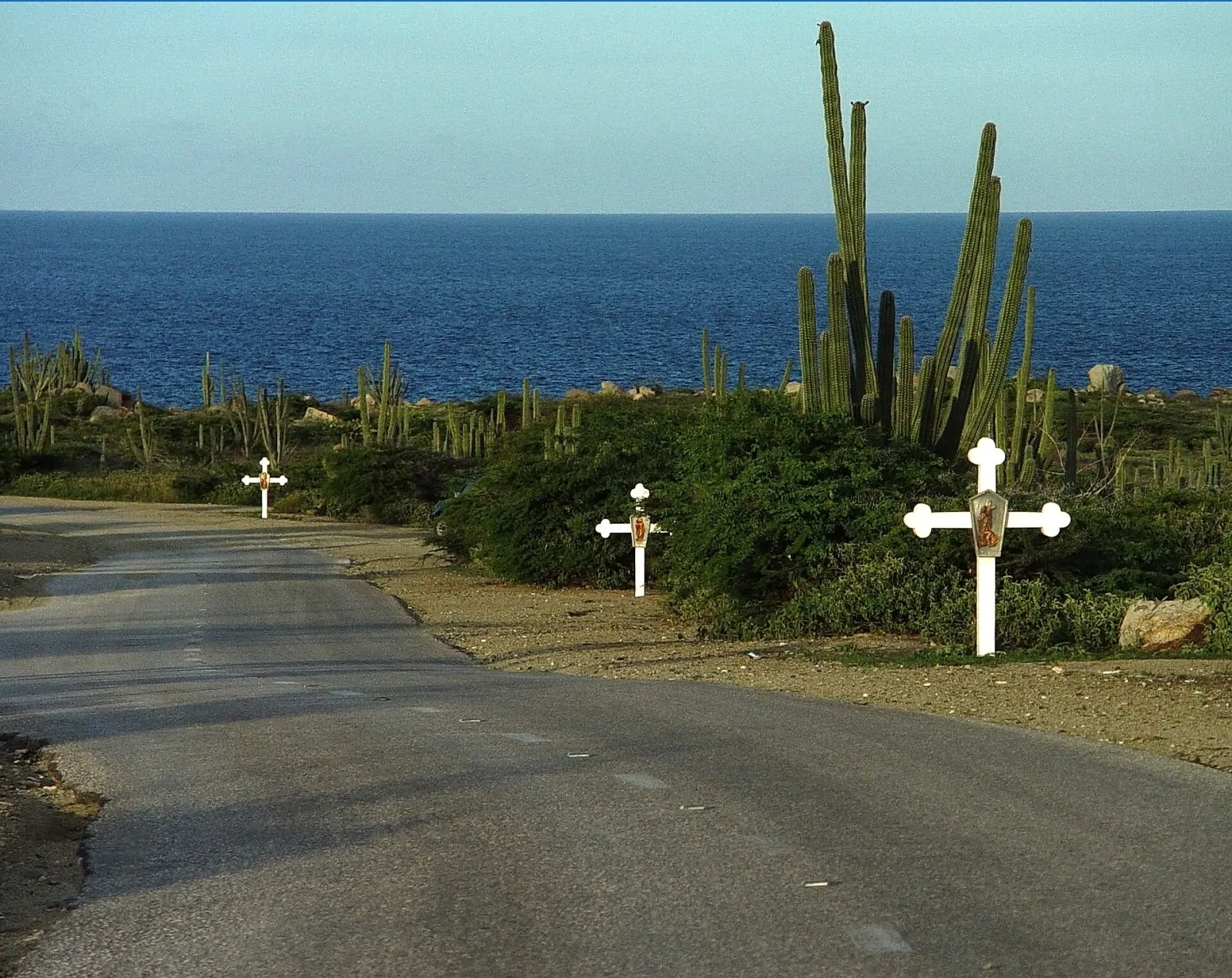
Island highlights drive
A self-drive day loop around Aruba: California Lighthouse, Alto Vista Chapel, the Bushiribana gold mill, Ayo and Casibari rocks, Hooiberg, Arikok and Baby Beach.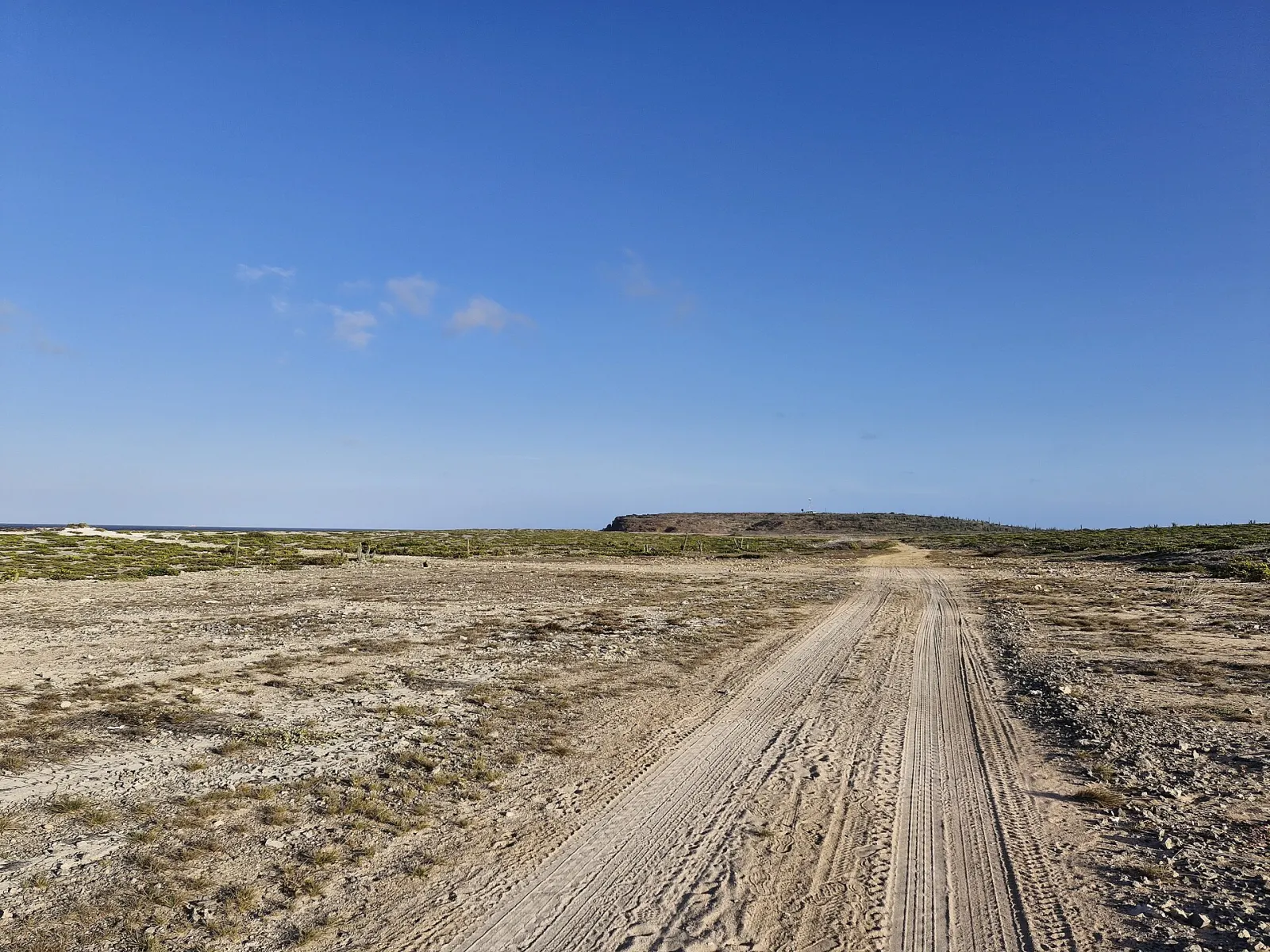
Jeep & UTV tours
Exploring Aruba's rugged north and east coasts by 4×4: where jeeps may drive, why ATVs and UTVs are banned from protected nature areas, and the Arikok park rules.Nearby
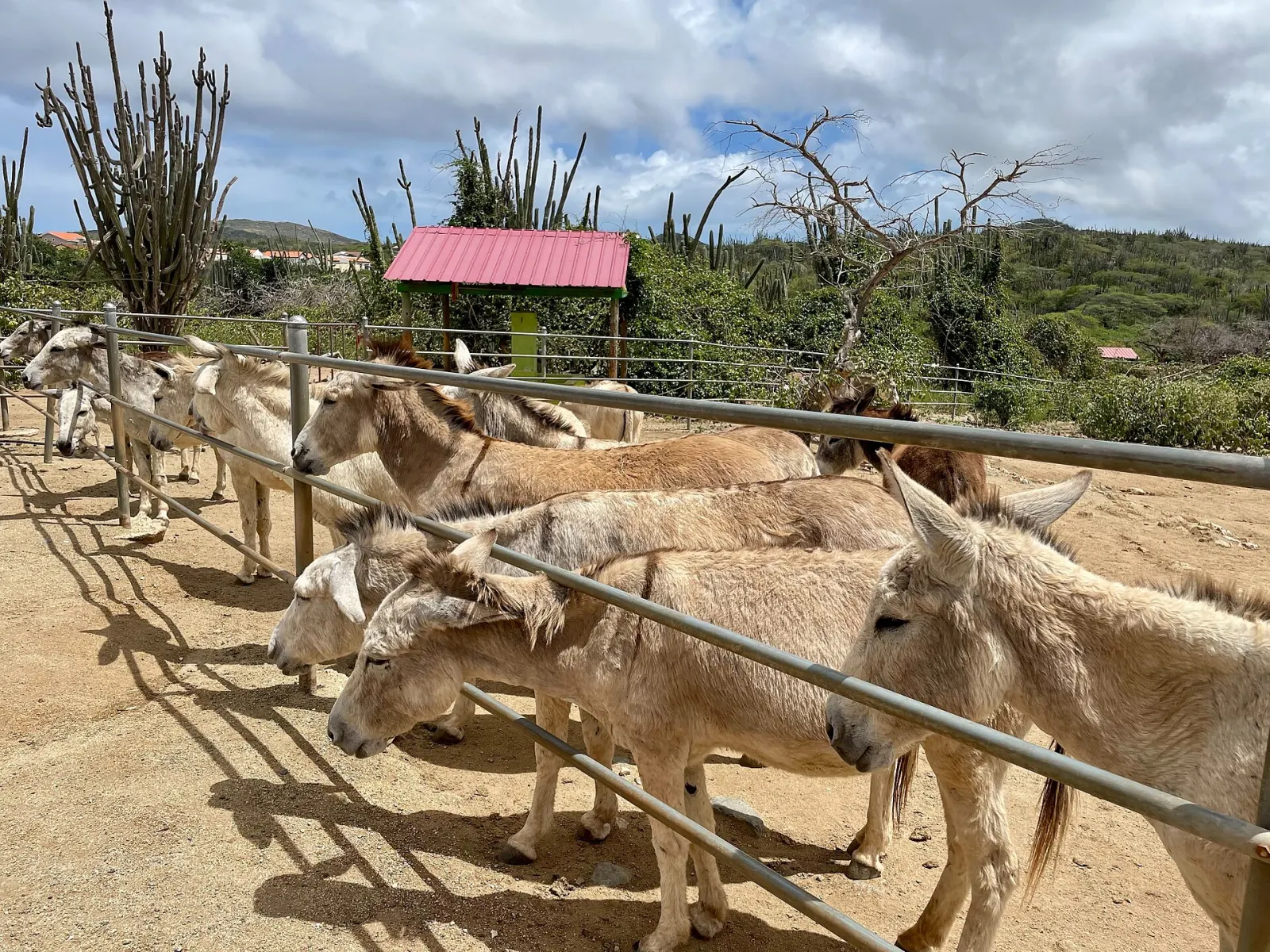
Donkey Sanctuary Aruba
A volunteer-run refuge for 130+ Aruban donkeys at Bringamosa. Open daily 9:00–16:00 except 1 January; no admission fee, donations welcome.
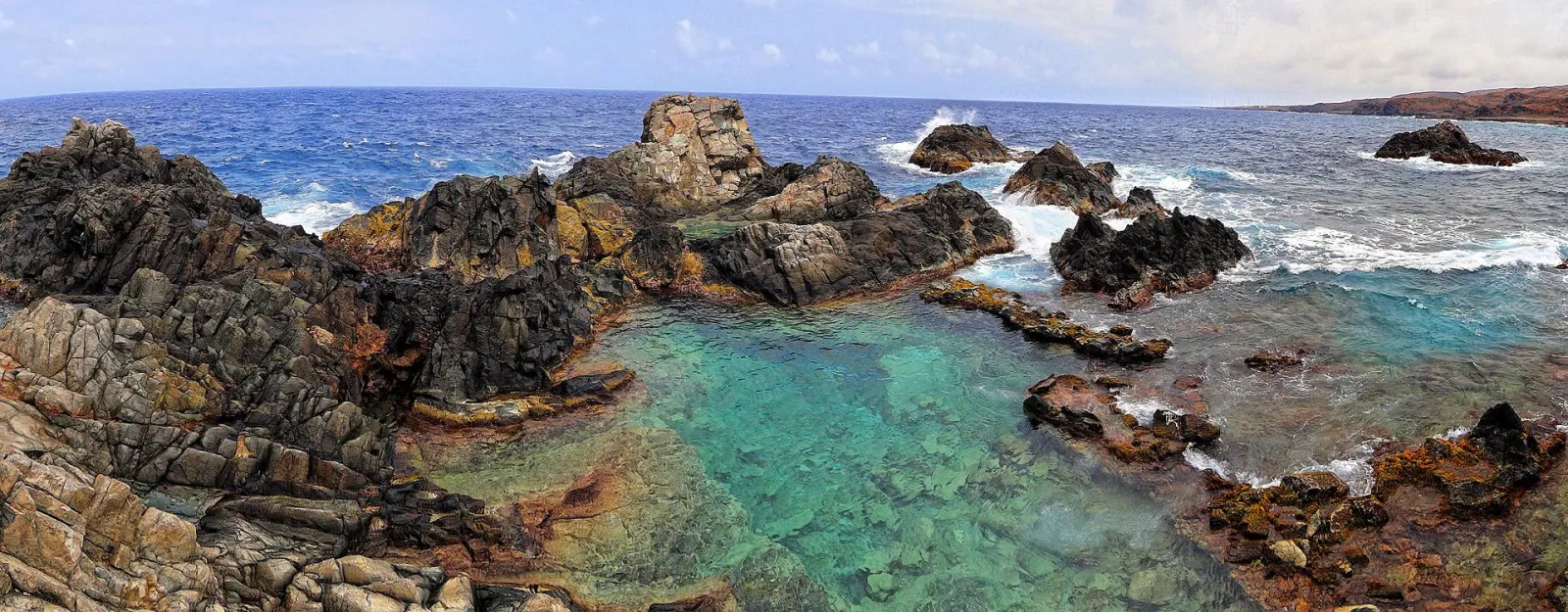
Natural Pool (Conchi)
A sea pool ringed by pillow lava on Arikok's north coast. No ordinary cars: reach it by 4×4, on horseback or on a 3–4 hour return hike.
Huchada Bakery & Lunchroom
Local bakery in a cunucu house near Santa Cruz, known for pastechi, goat soup and cashew cake; opens at 6 a.m. Monday to Saturday.
More sights
Donkey Sanctuary Aruba
A volunteer-run refuge for 130+ Aruban donkeys at Bringamosa. Open daily 9:00–16:00 except 1 January; no admission fee, donations welcome.
Natural Pool (Conchi)
A sea pool ringed by pillow lava on Arikok's north coast. No ordinary cars: reach it by 4×4, on horseback or on a 3–4 hour return hike.
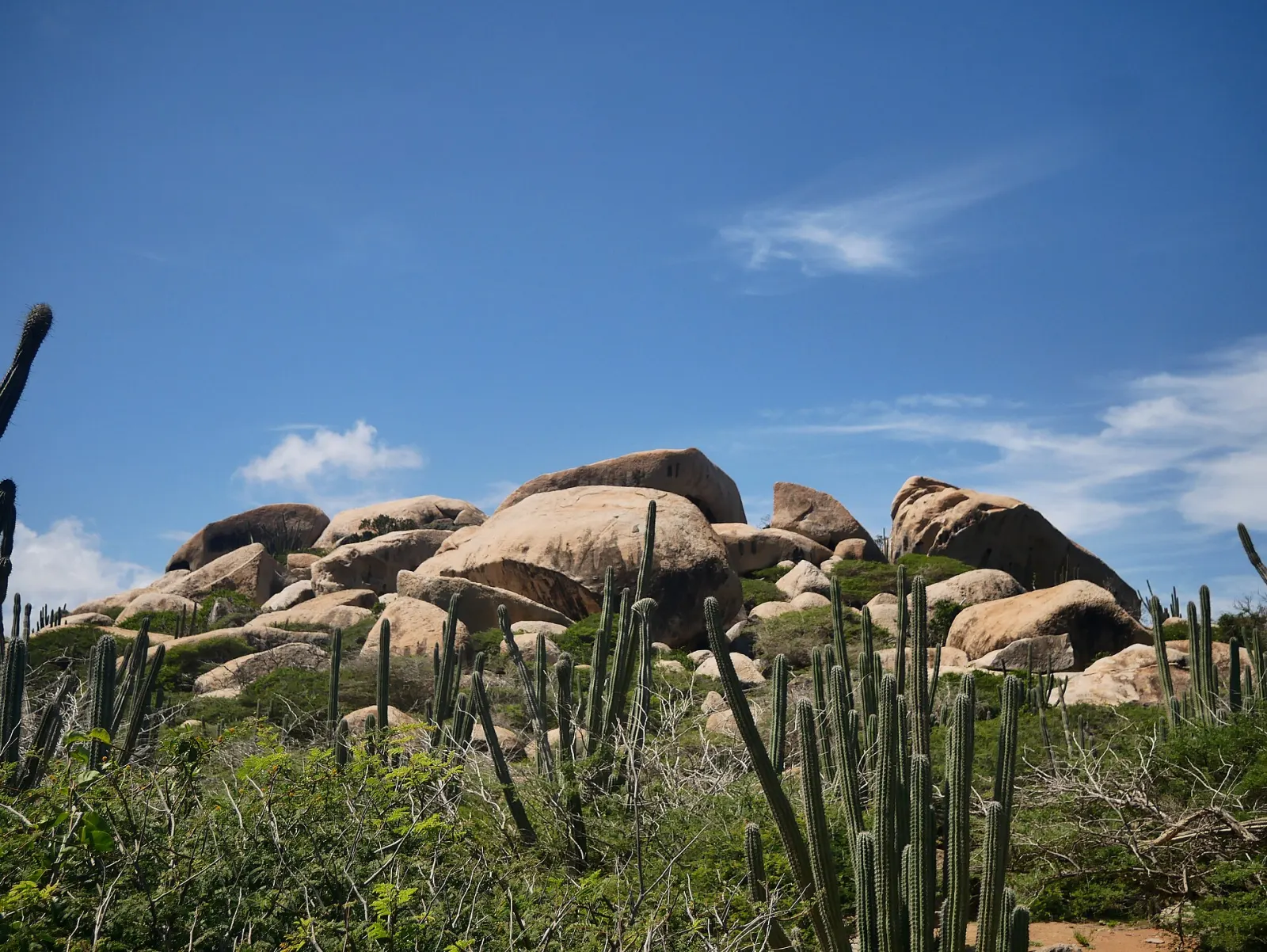
Ayo Rock Formations
Piles of giant diorite boulders near Ayo village where Aruba's Amerindian inhabitants left rock paintings — quieter than Casibari, with short walking paths.