Aruba in 5 days: a first-time itinerary
A five-day first visit: Eagle Beach, Oranjestad and the free streetcar, the lighthouse and rock formations, a day in Arikok, and the south coast to Baby Beach.
5 min read · Published 29 October 2026
This five-day plan covers what most first-time visitors want from Aruba: the west-coast beaches, the capital Oranjestad, the north-west tip with the California Lighthouse, the interior's rock formations, a day in Arikok National Park and the south coast down to Baby Beach. Drives are short — the longest single leg, Palm Beach to Baby Beach, is 35–45 minutes — so every day keeps a long beach break. A rental car is assumed for days 3 to 5.
Before you go
- ED card and fee: the online ED card is mandatory for every traveller, including infants and children, and is completed on the official portal edcardaruba.aw within the 7 days before travel. Air arrivals pay the US$ 20 Sustainability Fee in the same process (under-eights are exempt).
- Car for three days, not five: on days 1 and 2 buses, taxis and the free downtown streetcar are enough. Rent a car for days 3–5. A normal car is fine everywhere in this plan except the track to the Natural Pool — see day 4.
- Arikok pass: a conservation pass is required to enter Arikok National Park; it is sold at the Visitor Center in San Fuego, open daily 8:00–15:30.
Day 1: arrive and unwind on Eagle Beach
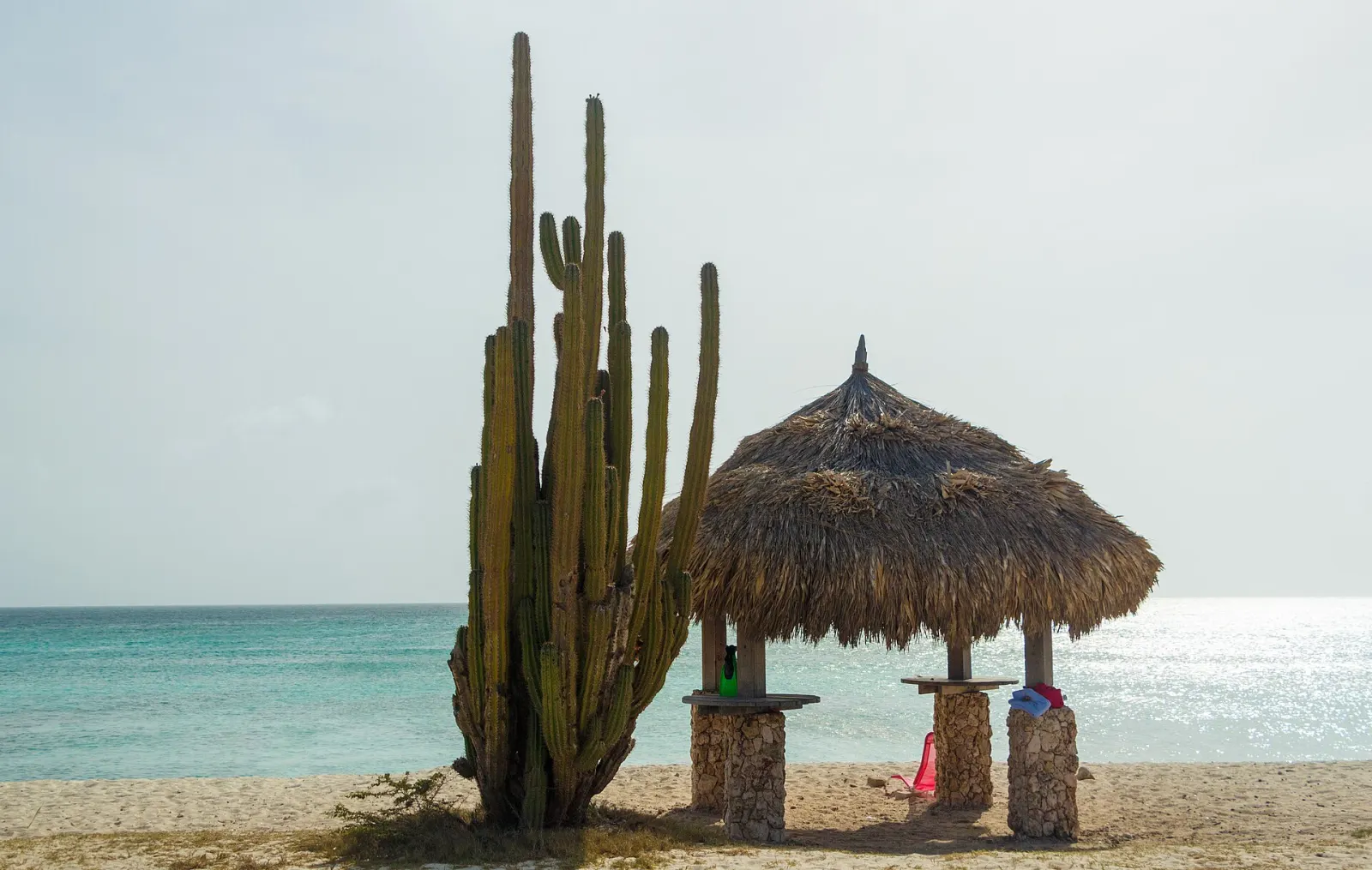
The airport is 15–20 minutes from Eagle Beach and about 20 minutes from Palm Beach by taxi (fixed fares from US$ 37, before surcharges). Spend the afternoon on Eagle Beach: wide sand, calm water and the sun setting over the sea. Take an umbrella — shade away from the hotels is scarce. Dinner in the Palm Beach & Noord area keeps the first evening simple.
Day 2: Oranjestad, the streetcar and a beach afternoon
Morning — Oranjestad. Take Line 10 or a 10–15 minute taxi into the capital. Start at Fort Zoutman, completed in 1798 and the oldest structure on the island; the Willem III Tower was added in 1868, and the fort houses the historical museum. Then visit the National Archaeological Museum Aruba for the island's Indigenous history, which helps make sense of the cave drawings you will see on day 4.
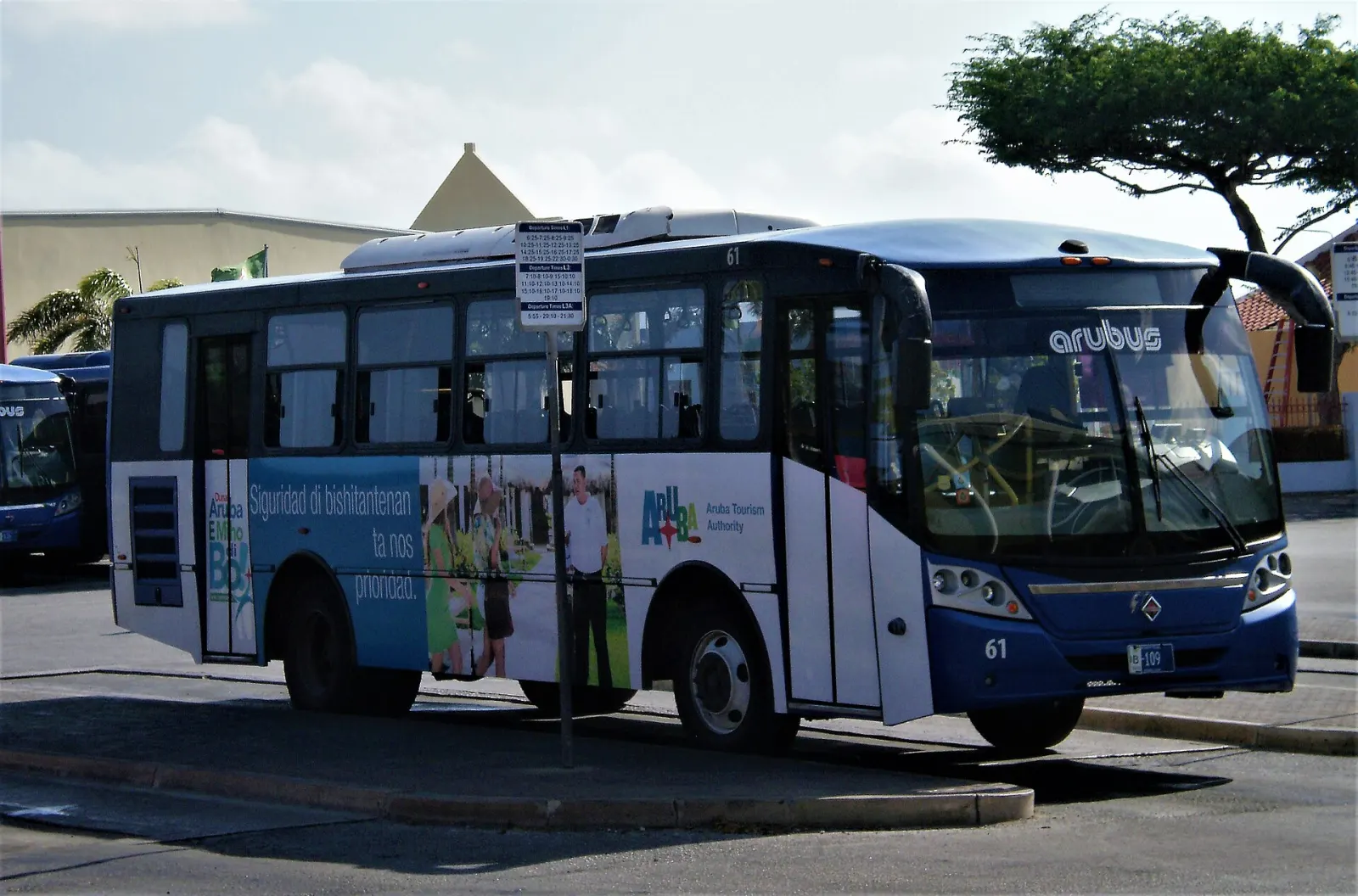
Midday — the free streetcar. The open-air streetcar runs about 1.9 km along the main shopping street between the cruise terminal and Plaza Nicky. It is free; check the current hours locally. Our Oranjestad walking tour links the main stops on foot.
Afternoon — back to the beach. Palm Beach has calm water and every kind of water sport. In the evening, a sunset cruise is the classic first-trip treat.
Day 3: the north-west tip and the interior
Pick up your rental car. This is a loop of short drives — about 40–50 km in total.
- Arashi Beach or Boca Catalina at 8:00 (7 minutes from Palm Beach) for a swim or snorkelling before the wind and the boats.
- California Lighthouse (a few minutes on): completed in 1916, 30 m tall and named after the steamship California, wrecked offshore in 1891.
- Alto Vista Chapel (about 15 minutes): a small chapel on the windswept north side.
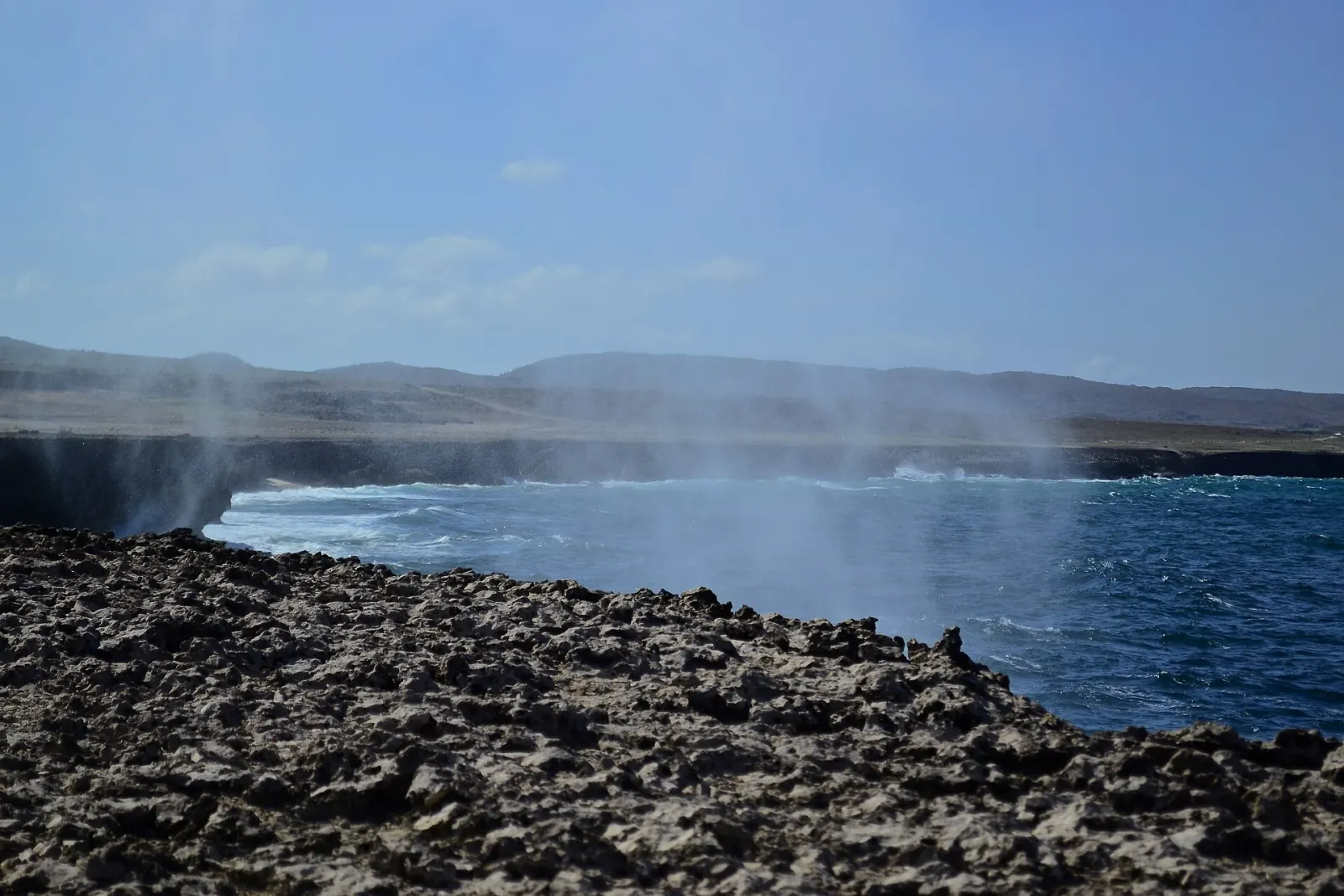
- Bushiribana Gold Mill Ruins (about 12 minutes): stone ruins on the rugged north coast — a reminder of Aruba's gold-mining past. Look, don't swim: the north coast takes the full force of the swell.
- Ayo and Casibari rock formations (5–10 minutes between each): paths and steps between giant boulders, with views over the island. Midday heat is the issue here; carry water.
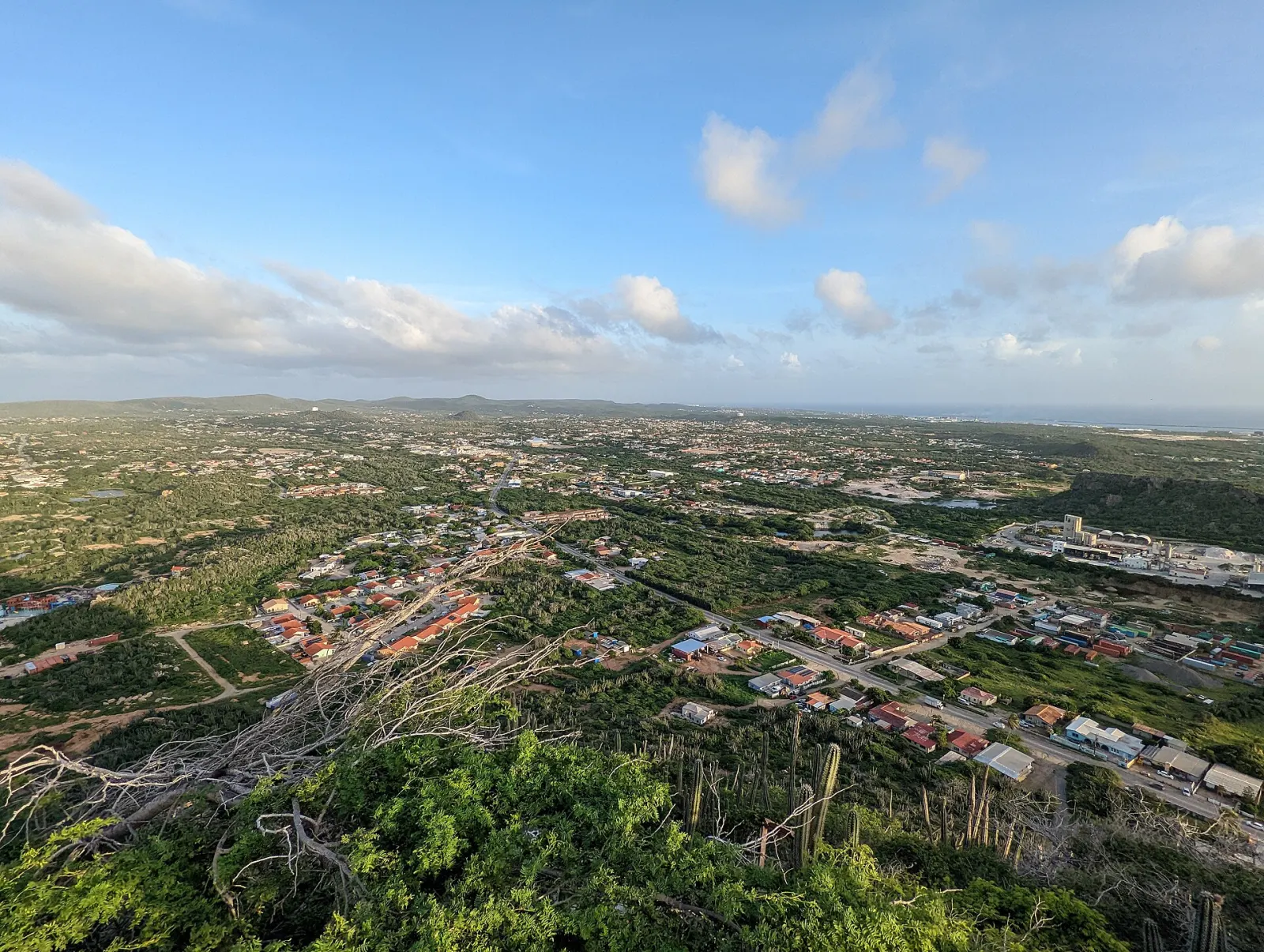
- Hooiberg (optional): the 165 m hill in the centre of the island has a staircase of roughly 587 steps — only for the fit, and not in the midday sun.
Back at Palm Beach in about 15 minutes. Our island highlights drive has more stops along the same route. The interior villages are covered in Paradera & Santa Cruz.
Day 4: Arikok National Park
Nearly 20% of Aruba is national park, and Arikok is the island at its wildest. Drive the 20 minutes from Palm Beach to the Visitor Center in San Fuego for 8:00, buy your conservation pass and ask the rangers about trail and sea conditions.
- Caves: Fontein Cave, about 95 m long, is known for its brownish-red Arawak pictographs. Quadirikiri Cave, in the park's southern zone, is the other cave most visitors combine with it. Ask at the Visitor Center which caves are open and whether a ranger is needed.
- Coast: Boca Prins is a dramatic cove with dunes — but signs strongly advise visitors not to enter the water because of strong, ever-present undertows.
- Natural Pool: the rock-sheltered pool on the north coast is accessible only by 4×4, on horseback or on a 3–4 hour round-trip hike; standard cars are not permitted beyond the checkpoints. With a normal rental car, join a jeep or UTV tour or a horseback ride. Swim only when the sea is calm and wear water shoes.
Park rules: 20 km/h speed limit, stay on park roads, no drones and no rock stacking. A full guide to the trails is in hiking in Arikok. Spend a lazy late afternoon at your hotel beach.
Day 5: the south coast to Baby Beach
Morning — Mangel Halto (about 20 minutes from Palm Beach): a sheltered beach for a calm swim, snorkelling or kayaking.
Lunch — Zeerovers in Savaneta, a casual waterfront seafood stop a few minutes further east.
Afternoon — San Nicolas and Baby Beach. Walk among the San Nicolas murals (or follow our street art walk), then drive 9 minutes on to Baby Beach: a calm, shallow lagoon with a refreshment stand, toilets and shade huts. Snorkel only in the marked area near the mouth of the bay. Allow 35–45 minutes back to Palm Beach.
Leaving Aruba
If you are flying to the US you clear US immigration and customs before boarding at Queen Beatrix International Airport (preclearance), and airlines such as JetBlue recommend arriving 3 hours before departure. Return the car with time to spare.
Variations
- With children: see Aruba with kids — swap the Hooiberg climb for the Donkey Sanctuary.
- Short on time: our 3-day beach weekend keeps the best beaches.
- More active: the 7-day active itinerary adds diving, wind sports and longer hikes.
- When to come: see the best time to visit Aruba.