Aruba in 7 days: an active itinerary
A week of snorkelling, diving, windsurfing and hiking: the north-west coves, Arikok trails and caves, the Natural Pool, a wind day at Hadicurari and the Hooiberg climb.
5 min read · Published 29 October 2026
This seven-day plan is for travellers who want to be in the water or on the trail most of the day: shore snorkelling and diving on the west and south coasts, a day of windsurfing or kitesurfing at Hadicurari, hikes in Arikok National Park, the Natural Pool by 4×4 or horseback, and the Hooiberg climb. Aruba's trade wind — about 27 km/h on average, strongest from May to August — shapes the schedule: water activities go first thing in the morning, wind sports in the afternoon, and every hike starts early to beat the heat.
Before you go
- Paperwork: complete the mandatory online ED card on the official portal edcardaruba.aw within the 7 days before travel (one per traveller, including children); air arrivals pay the US$ 20 Sustainability Fee through the same system.
- Car: rent one for the whole week — the plan visits every corner of the island. A normal car is fine for paved roads and the main Arikok road, but the Natural Pool is accessible only by 4×4, and standard cars are not permitted beyond the park checkpoints. Inside Arikok the speed limit is 20 km/h and you must stay on park roads.
- Arikok pass: a conservation pass is required by law to enter the park; buy it at the Visitor Center in San Fuego (open daily 8:00–15:30). Ask there about day and annual passes if you will go in more than once.
- Kit: reef-safe sunscreen, a UV shirt, water shoes, a 2-litre water bottle per person for hikes (Aruba's tap water is safe to drink and fine for refills), a hat and closed shoes for rocky trails.
Day 1: arrive, Eagle Beach and an easy swim
The airport is 15–20 minutes from the Eagle Beach hotels. Shake off the flight with a swim at Eagle Beach and a sunset walk. Book any courses for the week now: a scuba diving refresher or introductory dive, a windsurfing or kitesurfing lesson, and the Natural Pool tour.
Day 2: snorkelling the north-west coves
Be at Boca Catalina by 8:00 — about 10 minutes from Palm Beach — before the wind rises and the boats arrive. Work your way along the coast to Arashi Beach and Malmok Beach, checking entry points and currents at each before you swim. Our snorkelling guide covers the spots and the rules.
Afternoon: walk up to the California Lighthouse (30 m, completed in 1916) for the view over the dunes, then rest. Evening: a sailing or sunset cruise. Check whether the trip you book includes a snorkel stop.
Day 3: Arikok — the long hike
Drive to the Visitor Center in San Fuego (about 20 minutes from Palm Beach) for opening time at 8:00. Nearly 20% of Aruba is national park, with trails over hills, cactus scrub and limestone coast. Pick a route with the rangers — our hiking in Arikok guide describes the main options — and plan to be off exposed trails by late morning; average maximums are 30–33 °C all year.
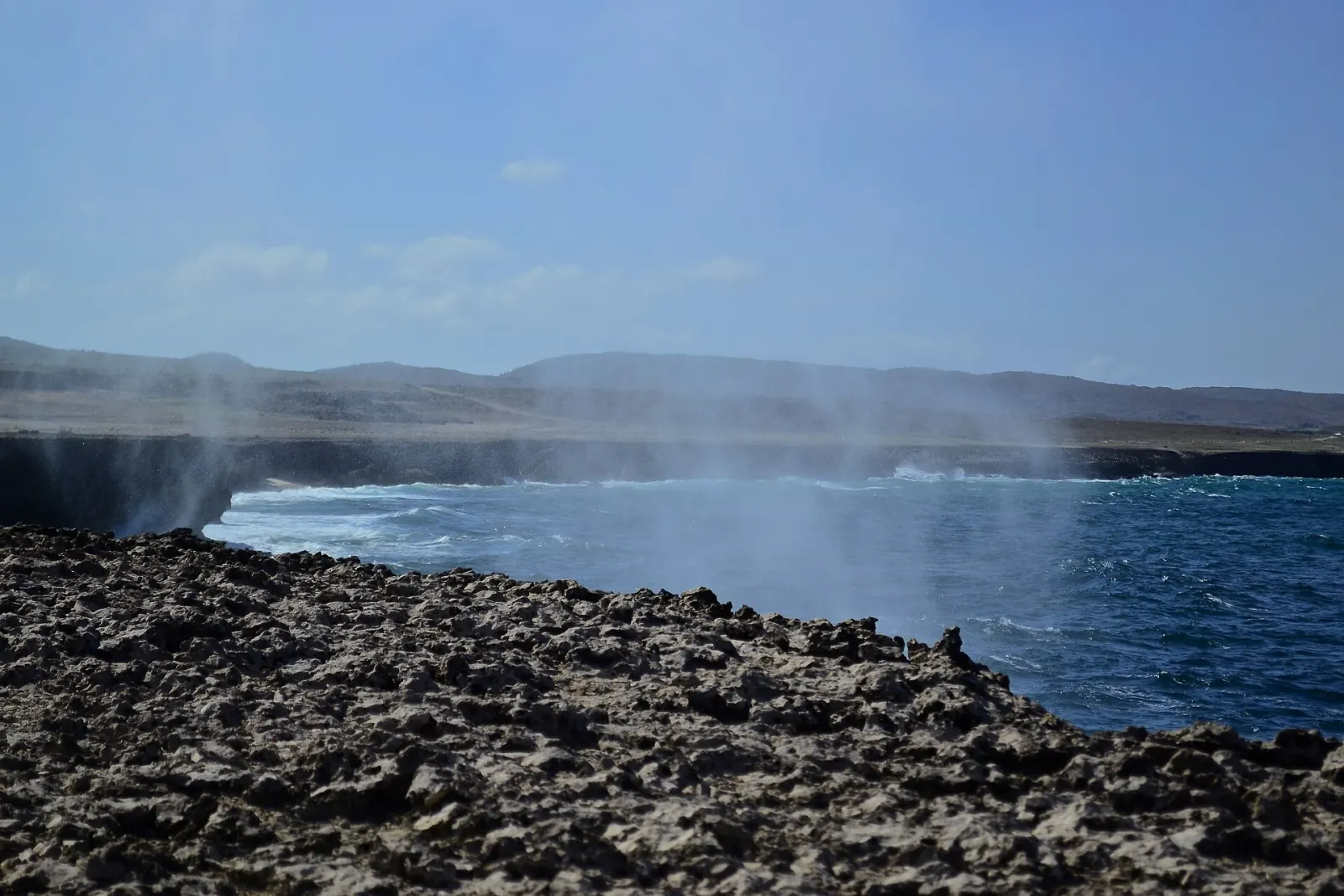
On the way out, visit Fontein Cave, about 95 m long and known for its brownish-red Arawak pictographs, and look over Boca Prins — but don't swim: signs there strongly advise visitors not to enter the water because of strong, ever-present undertows. Spend the afternoon resting by the pool.
Day 4: the Natural Pool by 4×4 or on horseback
The Natural Pool (Conchi) sits on the rough north coast inside Arikok. Three ways in:
- Guided 4×4 or UTV tour — the easiest; see jeep and UTV tours.
- Horseback riding — a guided ride over the park's tracks.
- On foot — a 3–4 hour round trip, with steep natural stone steps at the end.
Swimming is only safe when the sea is calm; waves can crash over the rocks and conditions change quickly, so follow ranger advice. Water shoes are strongly recommended. Combine with the interior on the way back: the boulders of Ayo and Casibari, 5 minutes apart.
Day 5: wind day at Hadicurari
Hadicurari Beach, also called Fisherman's Huts, is the most popular spot in Aruba to learn and practise windsurfing and kitesurfing, according to the Aruba Tourism Authority — the annual Aruba Hi-Winds event is held here in June or July. The water is very shallow and calm, which makes it a forgiving place for lessons. Book a morning lesson and an afternoon session when the wind is strongest. The exposed east coast, around Boca Grandi, is for experienced riders only — ask a local school about conditions before you go.
Not a wind person? Swap this day for two scuba dives on the west coast.
Day 6: Hooiberg, San Nicolas and Baby Beach
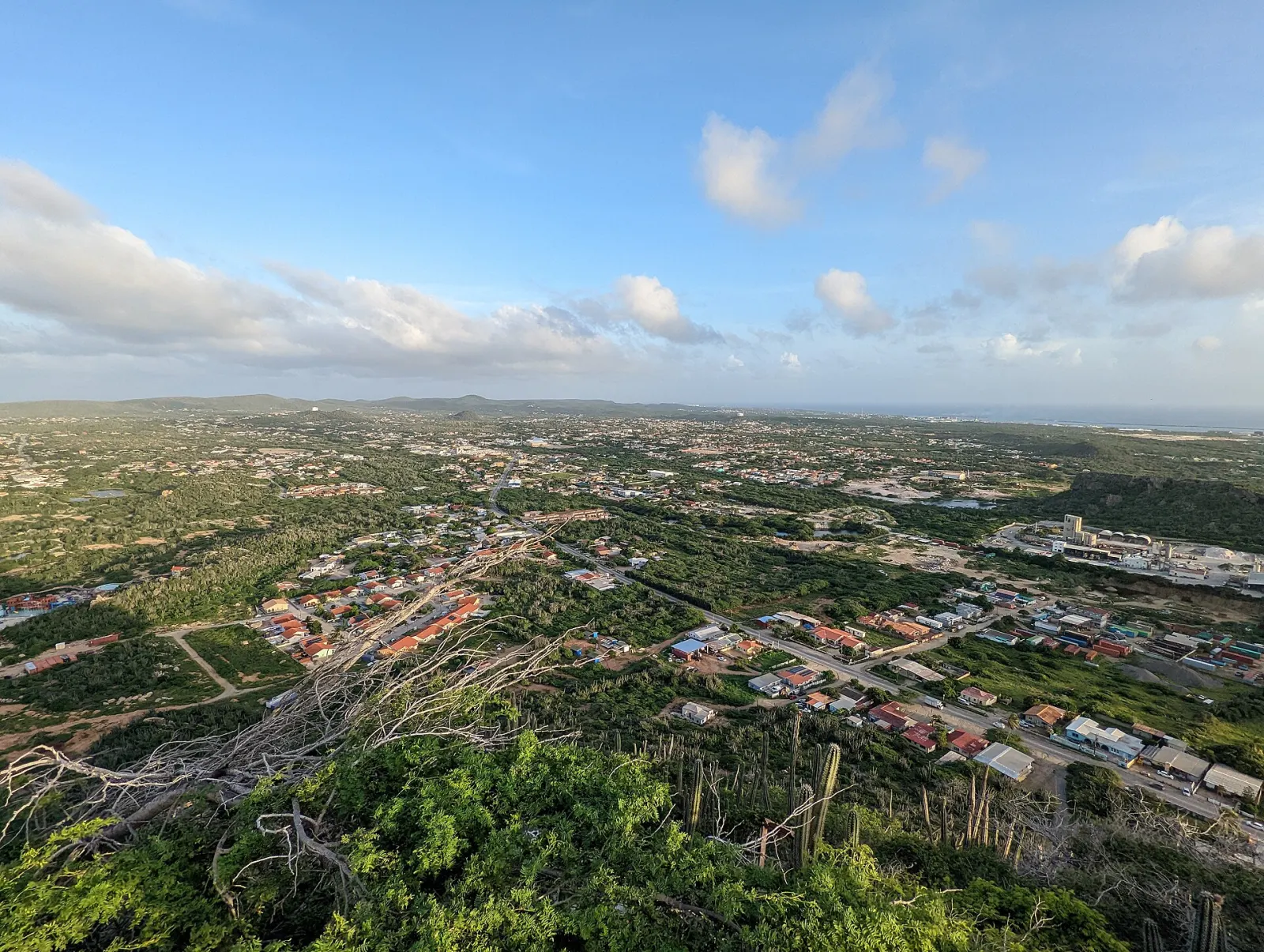
7:30 — Hooiberg. The 165 m hill in the centre of the island has a concrete staircase of roughly 587 steps. Go at first light: there is no shade.
Late morning — San Nicolas. About 25–30 minutes south-east. Follow the street art walk among the murals.
Afternoon — Baby Beach (9 minutes from San Nicolas). A calm, shallow lagoon; snorkel only within the marked area near the mouth of the bay. Rodgers Beach, close by, is an alternative if you want a quieter stretch.
Day 7: paddle at Mangel Halto, then fly
Early morning — Mangel Halto (about 20 minutes from Palm Beach, 13 from Oranjestad): a sheltered beach for a final kayak or paddleboard session or snorkel. Lunch at Zeerovers in nearby Savaneta.
Flying to the US? You clear US immigration and customs at Aruba's airport before boarding (preclearance), and airlines such as JetBlue recommend arriving 3 hours before departure. Divers: follow your dive training on the minimum interval between your last dive and flying — plan the last dive for day 5.
Adjusting the plan to the season
- May to August: the windiest months — ideal for day 5, choppier for boat trips; snorkel early.
- October to December: the calmest wind and the most rain (77–87 mm a month), usually as early-morning showers. Better for snorkelling, worse for wind sports.
- March to September: sea turtle nesting season — on beaches at night, keep lights off and stay well back from nests.
For a gentler pace, see the 5-day first-time itinerary; for timing, the best time to visit Aruba.